Why Cabinet Hardware Materials Matter More Than You Think
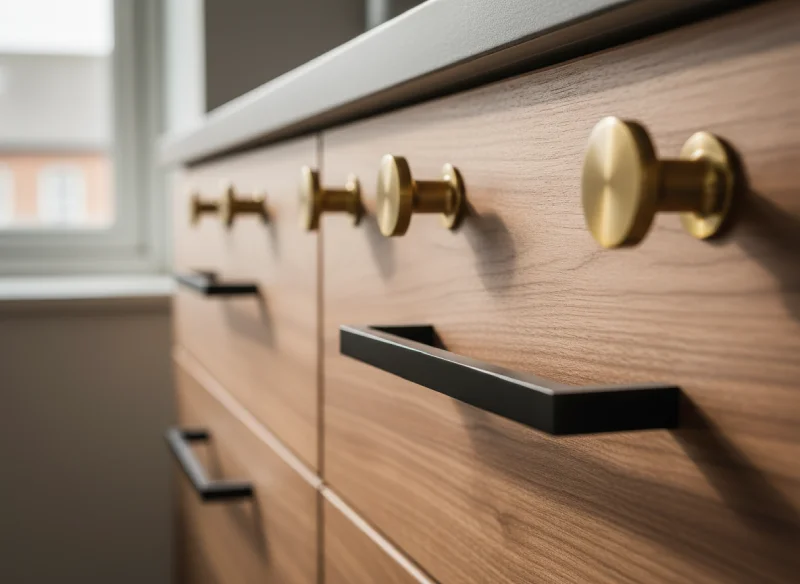
Cabinet hardware materials determine how long your knobs, pulls, and hinges last — stronger metals like stainless steel or brass resist corrosion, wear, and daily use far better than plated or soft alloys.
Your cabinet hardware may be small, but it plays a huge role in both durability and design. The metal you choose affects not only how your cabinets look but how they perform over time — from resisting corrosion in humid kitchens to maintaining finish quality with daily handling, a detail often emphasized by a trusted home renovation partner.
This guide breaks down how material choice impacts longevity, comfort, maintenance, and even home value — so you can choose hardware that looks great and lasts for years.
Key Takeaways
- Material drives durability: solid metals like brass and stainless steel outlast plated or soft alloys.
- Corrosion resistance counts: stainless and brass resist kitchen moisture better than zinc or plated options.
- Finishes matter: powder-coated or brushed finishes hide scratches and reduce maintenance.
- Ergonomics affect feel: heavier, well-balanced hardware improves comfort and function.
- Smart investments pay off: quality hardware boosts aesthetics, resale value, and longevity.
How Metal Choice Affects Durability and Longevity
When choosing cabinet hardware, metal composition determines resistance to wear, scratches, and bending.
- Solid brass resists dents and offers a warm, premium feel.
- Stainless steel is harder and resists both corrosion and daily abrasion.
- Zinc alloys are affordable but prone to corrosion if plating wears off.
Choose thicker hardware where screws or hinges bear weight. Proper cabinet hinges installation with solid metals holds up far better under stress. In high-use spaces like kitchens or mudrooms, opt for solid alloys or stainless steel for fewer replacements over time.
Tip: Look for hardware labeled “solid” or “forged” instead of “plated” for long-term durability.
Corrosion Resistance: Matching Metal to Environment
Best Metals for Moisture-Prone Areas
| Metal | Corrosion Resistance | Ideal Use |
| 304 Stainless Steel | Excellent | Kitchens, coastal homes |
| Solid Brass | Very Good | Indoor kitchens, bathrooms |
| Zinc Alloy (Zamak) | Fair | Low-humidity interiors |
| Plated Steel | Poor | Avoid near sinks or stoves |
Stainless steel and brass form natural protective films against oxidation, while cheaper alloys rely on thin plating that can chip or rust.
In humid or coastal environments, invest in marine-grade stainless steel for maximum performance.
For reference, the U.S. General Services Administration’s material specs highlight why stainless steel and brass are preferred in high-moisture conditions.
Finishes and Wear: What Holds Up to Daily Use
Finishes protect hardware from scratches and moisture — but not all are equal.
- Brushed and matte finishes hide fingerprints and wear better than glossy chrome.
- Powder coatings resist chipping and provide texture for easy grip.
- PVD (Physical Vapor Deposition) coatings offer superior abrasion resistance and longer lifespan.
| Finish Type | Durability | Maintenance |
| PVD Matte | Excellent | Low |
| Brushed Nickel | Very Good | Moderate |
| Chrome | Moderate | High |
| Painted | Variable | Moderate–High |
Avoid cheap electroplating — once it chips, rust spreads quickly. Always verify finish thickness and warranty.
Maintenance and Care Best Practices
1. Daily Cleaning Routine
Use a soft microfiber cloth and mild soap solution to remove grime and prevent corrosion. Wipe dry immediately to avoid water spots.
2. Polishing Frequency
- Weekly: Polished brass or nickel
- Monthly: Stainless or matte finishes
- Seasonally: Coated or lacquered surfaces
3. Long-Term Protection
Apply a thin layer of clear wax or furniture polish on brass and bronze to prevent oxidation. Avoid ammonia-based cleaners — they strip protective coatings.
Safety and Allergen Considerations
Some alloys and finishes can contain irritants like nickel or lead. When selecting hardware:
- Ask for lead-free certifications.
- Opt for low-VOC coatings and cured lacquers.
- Choose hypoallergenic finishes like stainless steel or powder coat for kitchens and kids’ rooms.
| Concern | Safe Alternatives |
| Lead in brass | Certified lead-free brass |
| Nickel sensitivity | Powder-coated or stainless finishes |
| VOC coatings | Factory-cured or PVD finishes |
Fingerprint Resistance and Touch Comfort
Best Fingerprint-Resistant Finishes
| Finish | Fingerprint Resistance | Texture Feel |
| Matte PVD | High | Silky smooth |
| Brushed Nickel | Medium | Cool, fine texture |
| Powder Coat | Variable | Warm, tactile grip |
Brass and bronze feel naturally warmer to the touch, while stainless steel can feel colder but stays cleaner longer. Always test grip comfort before purchasing — ergonomics matter as much as appearance.
Weight, Balance, and Ergonomics
Hardware should feel sturdy without being cumbersome.
- Solid brass or steel pulls provide satisfying weight and stability on large drawers.
- Aluminum or zinc knobs suit small doors or upper cabinets.
- Check for centered balance. Any experienced cabinet installer knows that off-center knobs twist under pressure and loosen over time.
Pro Tip: If a pull feels too light for its size, it’s likely hollow or plated — it won’t last long.
Cost Versus Value: When to Spend More
Upfront Cost vs. Longevity
Spending 20–30% more on higher-grade hardware often saves hundreds in future replacements.
- Solid metals last 10–20 years with minimal care.
- Plated finishes may need replacing within 3–5 years.
Maintenance and Lifetime Cost
Choose finishes that resist tarnish and need less polishing. Stainless steel and PVD-coated brass have the best balance of cost and longevity.
Resale Impact
Quality hardware signals cabinet maker craftsmanship and boosts perceived home value, a small detail that buyers notice immediately.
Sustainability and Recyclability
Eco-conscious homeowners should prioritize recyclable metals like brass, aluminum, or stainless steel. Avoid multi-layer plated finishes that complicate recycling.
When possible, choose hardware made from recycled or reclaimed metals, which reduce waste and energy use.
Conclusion
Your cabinet hardware’s material affects far more than just aesthetics — it defines durability, comfort, and maintenance effort. By choosing corrosion-resistant metals and durable finishes, you’ll save money, reduce replacements, and elevate your home’s overall design.
If you're remodeling or planning a new cabinet installation, invest in quality hardware that feels as good as it looks.
Explore CabStone’s expert-selected hardware collections for designs that blend beauty, performance, and long-term value.
Frequently Asked Questions
What is the most durable cabinet hardware material?
Solid stainless steel or solid brass — both resist corrosion and mechanical wear for decades.
Are zinc or alloy knobs worth it?
Zinc alloys are affordable for light use but not ideal for high-moisture or heavy drawers.
How do I clean cabinet hardware without damaging the finish?
Use a soft cloth with mild soap and water — avoid ammonia, bleach, or abrasive pads.
Which finishes hide fingerprints best?
Matte PVD, brushed nickel, and powder-coated finishes all disguise smudges effectively.
Can cabinet hardware be refinished?
Solid metals like brass and bronze can be refinished; plated or coated hardware usually cannot.
What’s the best hardware for coastal homes?
Marine-grade (304 or 316) stainless steel resists salt corrosion and humidity best.
How long should good cabinet hardware last?
Quality hardware can last 15–25 years with basic care, depending on environment and use.
Does hardware weight affect cabinet performance?
Yes — heavier hardware like solid brass or stainless offers better stability and feel, especially on large drawers, while light or hollow knobs may loosen over time.
Can I mix different hardware materials in the same kitchen?
Yes, mixing metals like brass and matte black or stainless and bronze can create visual interest — just maintain a consistent style or shape to keep cohesion.
What hardware is best for families with young kids?
Look for fingerprint-resistant finishes, rounded edges for safety, and durable materials like stainless steel or powder-coated aluminum that resist sticky hands and frequent cleaning.