What to Know About Hardwood and Laminate Flooring Durability Before You Decide
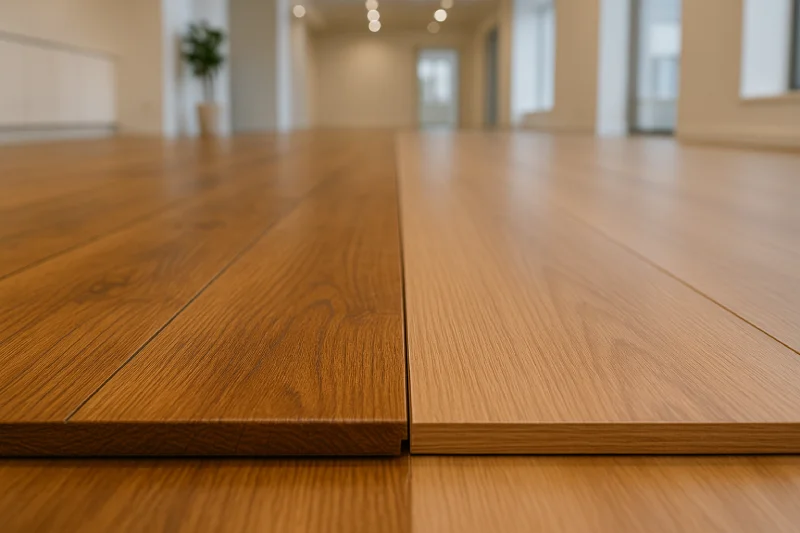
Hardwood and laminate flooring durability hinges on their material properties, maintenance requirements, and cost implications for long‐term value. Understanding Janka hardness ratings and AC durability classifications reveals how each option performs under foot traffic, moisture exposure, and refinishing cycles. This guide explains how hardness scales, installation costs, use‐case scenarios, resale impact, and upkeep practices shape flooring longevity—empowering Boston North homeowners and home improvement contractor to choose wisely and book a consultation with CabStone’s flooring experts.
You will learn:
- How hardwood durability is measured and extended through refinishing
- How laminate wear layers compare to solid and engineered wood
- Local installation cost factors and return-on-investment considerations
- Best flooring choices for high-traffic, moisture-prone, and resale-driven decisions
- Maintenance strategies to maximize lifespan
- Why Cabstone, your best flooring company, ensures reliable, design-forward installations
Hardwood Flooring Durability and Measurement
Hardwood flooring durability reflects a wood’s resistance to dents, scratches, and wear, quantified by the Janka Hardness Scale to assess its long‐term performance under load. Higher Janka values indicate stronger species that maintain surface integrity in busy homes and commercial spaces, ultimately supporting decades of service life and refinishing cycles.
Hardwood combines natural cell structure and factory finishes to resist indentation. Solid planks can be sanded and refinished multiple times, while engineered layers add dimensional stability in fluctuating Boston North climates. These attributes deliver both aesthetic warmth and robust functionality.
The Janka Hardness Scale for Hardwood Strength
The Janka Hardness Scale measures the force (in pounds-force) required to embed a 0.444-inch steel ball halfway into wood. Higher readings correspond to stronger species, making it a predictive tool for scratch and dent resistance in everyday use.
| Wood Species | Janka Rating (lbf) | Typical Application |
| Brazilian Cherry | 2,350 | High-traffic commercial zones |
| Hickory | 1,820 | Family rooms and entryways |
| White Oak | 1,360 | Living rooms and dining areas |
| Maple | 1,450 | Public spaces and kitchens |
| Red Oak | 1,290 | Bedrooms and moderate traffic |
These hardness benchmarks guide species selection for specific rooms. Understanding a species’ Janka value prepares you to assess expected wear and plan refinishing schedules without surprising repairs.
Janka Hardness Test: Measuring Wood Resistance
The Janka hardness test, developed by Austrian researcher Gabriel Janka, is the industry standard for measuring a wood species' resistance to denting and wear. It quantifies the force required to embed a 0.444-inch steel ball halfway into a wood sample, with higher pound-force (lbf) ratings indicating greater hardness and suitability for flooring applications.
This research directly supports the article's explanation of the Janka Hardness Scale and its role in assessing hardwood flooring durability.
How Different Hardwood Species Affect Durability
- Hickory’s extreme density enhances dent resistance but requires a harder finish coat.
- Oak’s moderate hardness and open grain accept stains uniformly, preserving appearance under daily use.
- Maple’s tight grain provides smooth wear cores, favoring longevity in retail or office applications.
Selecting the right species aligns material performance with household traffic patterns, setting the stage for accurate lifespan predictions.
Typical Hardwood Flooring Lifespan
Solid hardwood floors can endure 50–100+ years with regular maintenance and refinishing, while engineered hardwood offers 20–40 years of service when veneer thickness permits at least one refinishing cycle. Lifespan depends on traffic, finish coat quality, and moisture control in subfloor installation.
Refinishing Hardwood Floors to Extend Their Life
Yes. Refinishing renews wear layers by sanding away surface damage and applying fresh sealants, restoring both durability and beauty. Solid planks often allow 4–7 refinishes, while engineered boards permit 1–2 cycles depending on veneer thickness. This process supports sustainable lifetime management and maximizes return on investment.
Laminate Flooring Durability Compared to Hardwood
Laminate flooring durability centers on an engineered wear layer bonded to a decorative core, rated through AC classifications to quantify resistance against abrasion, impact, and moisture. These ratings signal how well laminate holds up in residential or commercial environments, offering an affordable alternative to traditional wood.
AC Ratings and Laminate Durability
AC ratings classify laminate wear performance:
| AC Rating | Durability Level | Recommended Use |
| AC3 | Heavy Residential | Living rooms, bedrooms, home offices |
| AC4 | General Commercial | Retail shops, classrooms, offices |
| AC5 | Heavy Commercial | Airports, department stores, malls |
Higher AC classes indicate thicker wear layers and stronger resins, guiding selection for traffic demands. Laminate with AC4 or AC5 offers exceptional scratch resistance, ensuring visual consistency in busy Boston North hallways and kitchens.
Decoding Durability: A Comprehensive Guide to Laminate Flooring AC Ratings
The Abrasion Class (AC) rating system, established by the Association of European Producers of Laminate Flooring (EPLF) and the North American Laminate Flooring Association (NALFA), classifies laminate flooring's durability. Ratings from AC1 to AC5 (or AC6) indicate the flooring's resistance to abrasion, impact, and stains, guiding its recommended use from light residential to heavy commercial environments.
This citation verifies the article's explanation of AC ratings and their significance for laminate flooring durability and appropriate use.
Laminate Flooring Scratch and Dent Resistance
Laminate flooring’s melamine topcoat resists everyday abrasions, pet claws, and moving furniture by distributing impact across its laminate structure. The rigid HDF core reduces denting, while factory-applied finishes maintain consistent wear performance without onsite treatments.
Typical Lifespan of Laminate Flooring
Laminate floors typically last 15–25 years, depending on AC rating, underlayment quality, and installation precision. Moisture-resistant products further extend lifespan by reducing edge swelling, making modern laminate a long-lasting choice for many residential and light-commercial projects.
Repair and Maintenance of Laminate Flooring
Laminate maintenance relies on simple cleaning routines and spot replacement of damaged planks. Click-lock installation allows individual boards to be swapped without full floor removal, reducing repair downtime and maintaining durability continuity across high-traffic areas.
Installation Costs for Hardwood vs. Laminate Flooring in Boston North
Comparing hardwood and laminate floor installation costs involves material, labor, and local market rates.
Hardwood demands precise site preparation, moisture mitigation, and specialized installation techniques, while laminate offers simpler floating installations and DIY options.
| Flooring Type | Material Cost (/sq ft) | Installation Cost (/sq ft) | Total Range (/sq ft) |
| Solid Hardwood | $3–$15 | $9–$24.50 | $12–$39.50 |
| Engineered Hardwood | $4–$12 | $7–$20 | $11–$32 |
| Laminate | $1–$5 | $2–$8 | $3–$13 |
Higher hardwood costs reflect nailing, gluing, and finish application, while laminate’s click-lock system cuts labor time and expense. Understanding these figures helps homeowners budget for long-term flooring value.
Factors Influencing Hardwood Flooring Installation Costs
Installation expenses for hardwood hinge on subfloor condition, site accessibility, finishing requirements, and species selection. Complex layouts, moisture barriers, and premium wood like Brazilian cherry drive costs higher, whereas engineered planks with tongue-and-groove systems streamline labor.
Laminate Flooring Installation Cost and DIY Options
Laminate installation costs range from $2 to $8 per square foot when searching for flooring contractors near me, but many homeowners with basic carpentry skills can achieve quality results through DIY click-lock installations. Proper underlayment and acclimation to local humidity are critical for optimal performance.
How Installation Costs Affect Long-Term Flooring Value
Higher upfront investment in hardwood pays dividends through refinishing potential, increased property value, and unmatched longevity, while laminate’s lower cost supports budget-friendly refresh cycles. Balancing initial outlay with expected lifespan clarifies the real cost per year of service.
Best Flooring for High-Traffic and Moisture-Prone Areas
Selecting durable flooring for busy households and wet environments requires assessing hardness, water resistance, and maintenance ease. Hardwood offers natural warmth and refinishing options for living spaces, whereas waterproof laminate and alternative materials excel in kitchens, basements, and bathrooms.
Hardwood Suitability for High-Traffic Rooms
Yes. Hardwoods with high Janka ratings resist dents in hallways and family rooms, and durable factory finishes repel surface scratches. Regular cleaning and prompt refinishing cycles preserve hardness attributes, ensuring decades of performance under daily footfall.
Waterproof Laminate vs. Hardwood in Moisture Resistance
Waterproof laminate combines a sealed wear layer with water-resistant cores and tight-locking joints to prevent moisture infiltration—outperforming traditional hardwood in kitchens, bathrooms, and basements. This construction supports consistent durability in moisture-prone Boston North homes.
Durable Flooring Options Beyond Hardwood and Laminate
When extreme moisture or commercial traffic demand unmatched resilience, these flooring solutions offer alternatives to consider:
- Luxury Vinyl Plank (LVP): Rigid core with enhanced water resistance and realistic wood visuals
- Porcelain/Ceramic Tile: Superior scratch and stain resistance with low-maintenance grout
- Engineered Stone: Durable composite surfaces for entryways and utility areas
These alternatives diversify durable flooring portfolios and meet specialized use cases without sacrificing style.
Impact of Hardwood and Laminate Flooring on Home Value and Resale
Flooring durability correlates strongly with perceived home quality and resale prices. Buyers prioritize long-lasting surfaces that combine aesthetics with lifespan, making flooring choice a strategic component of property investment.
Hardwood Flooring's Impact on Property Value
Hardwood flooring typically yields higher resale premiums, appealing to buyers as a high-end, refillable asset that elevates both visual and monetary value. Laminate provides attractive visuals at lower cost but offers moderate value uplift due to shorter lifespan and non-refinishable construction.
The Impact of Hardwood Floors on Home Value and Lifespan
Hardwood flooring significantly enhances a home's resale value, with reports indicating that homes with hardwood floors can sell for higher prices and are more appealing to potential buyers. Solid hardwood floors, when properly maintained and refinished, can last 50 to over 100 years, offering a long-term investment and contributing to property value.
This research supports the article's claims regarding hardwood flooring's positive impact on property value and its extended lifespan through maintenance and refinishing.
Flooring Durability and Buyer Preferences in Boston North
Boston North buyers seek durable flooring that withstands seasonal humidity changes and delivers timeless design. High Janka species or waterproof laminates with AC4 ratings rank favorably in local market trends, reflecting demand for low-maintenance, long-lasting finishes.
Cost Implications of Refinishing Hardwood vs. Replacing Laminate
Refinishing solid hardwood costs $2–$6 per square foot and restores original appearance multiple times, whereas replacing laminate planks may cost $3–$8 per square foot every 15–25 years. Calculating these cycles clarifies total cost for sustained durability.
Maintenance to Maximize Hardwood and Laminate Flooring Durability
Routine care schedules preserve wear layers, prevent moisture damage, and extend service life. Tailoring cleaning methods and repair actions to each flooring type avoids premature wear and sustains protective finishes.
Best Practices for Maintaining Hardwood Floors
Clean hardwood weekly with manufacturer-approved pH-neutral cleaners and microfiber mops to avoid abrasion. Recoat with finish every 3–5 years and schedule full refinishing every 7–15 years, depending on traffic intensity.
Maintaining Laminate Flooring for Scratch Resistance
Sweep or vacuum regularly to remove grit, mop with a damp cloth avoiding standing water, and place protective pads under furniture. Replace individual boards at the first sign of edge separation to maintain seamless durability.
When to Repair or Replace Flooring Due to Wear
Address deep scratches, gouges, or water stains on hardwood during the next refinishing cycle, and replace laminate planks when wear layer exposure or core swelling compromises performance. Timely interventions sustain overall durability metrics.
Conclusion
Our Boston North showroom at 123 Main Street showcases live installations of hardwood and laminate floors. Simply call or email to schedule a guided tour with experts who will address your project goals and budget considerations.
Boston North homeowners gain confidence by understanding durability metrics, cost trade-offs, and maintenance requirements for hardwood and laminate flooring. Evaluating Janka hardness alongside AC ratings clarifies which material aligns with your lifestyle and resale goals. With CabStone as your trusted flooring contractor, proven installation methods and expert guidance ensure your flooring investment delivers lasting beauty and performance.
Book a consultation or showroom visit today to secure durable flooring that enhances your home’s value and comfort.
Frequently Asked Questions
What is the Janka hardness rating, and why is it important for hardwood floors?
The Janka hardness rating measures the resistance of wood species to denting and wear. A higher Janka rating indicates a harder, more durable wood, making it better suited for high-traffic areas and less prone to damage from everyday use.
How do AC ratings for laminate flooring compare to Janka ratings for hardwood?
Janka ratings are specific to hardwood's natural density and resistance, while AC (Abrasion Class) ratings are for laminate's wear layer, measuring resistance to abrasion, impact, and staining. Both are crucial for understanding durability, but they apply to different materials and testing methods.
Can laminate flooring be refinished like hardwood?
No, laminate flooring cannot be refinished. Its durability comes from a wear layer that, once worn through, cannot be restored by sanding and refinishing. Hardwood, on the other hand, can be sanded and refinished multiple times.
Which type of flooring is more resistant to scratches: hardwood or laminate?
Generally, laminate flooring with a high AC rating (AC4 or AC5) can be more resistant to surface scratches than many types of hardwood due to its protective wear layer. However, deep scratches or gouges can be more noticeable on laminate, and hardwood can often be repaired through refinishing.
Is hardwood or laminate flooring better for kitchens and bathrooms?
For areas prone to moisture like kitchens and bathrooms, waterproof laminate or other water-resistant options like Luxury Vinyl Plank (LVP) are generally recommended over traditional hardwood, which can be damaged by excessive moisture. Some engineered hardwoods offer better moisture resistance than solid hardwood.
How does the lifespan of hardwood compare to laminate flooring?
Solid hardwood floors can last 50-100+ years with proper maintenance and refinishing. Engineered hardwood typically lasts 20-40 years. Laminate flooring generally has a lifespan of 15-25 years, depending on its AC rating and quality.
What is the cost difference between installing hardwood and laminate flooring?
Laminate flooring is significantly more affordable than hardwood, both in material and installation costs. Hardwood requires more specialized labor and preparation, driving up the overall price.
Does hardwood flooring add more value to a home than laminate?
Yes, hardwood flooring is widely considered a premium feature that significantly increases a home's resale value. While laminate offers aesthetic appeal, it typically doesn't provide the same level of return on investment as hardwood.
How important is subfloor preparation for both hardwood and laminate?
Subfloor preparation is critical for both. A clean, level, and dry subfloor is essential for the longevity and performance of both hardwood and laminate. Improper preparation can lead to issues like squeaking, gapping, or moisture damage.
What maintenance is required for each type of flooring to maximize durability?
Hardwood requires regular cleaning with pH-neutral cleaners, avoiding excess water, and periodic refinishing. Laminate needs regular sweeping or vacuuming and damp mopping, with a focus on preventing standing water and promptly replacing damaged planks.