What Makes Laminate Flooring Affordable and Popular? A Complete Guide for Boston North Homeowners and Builders
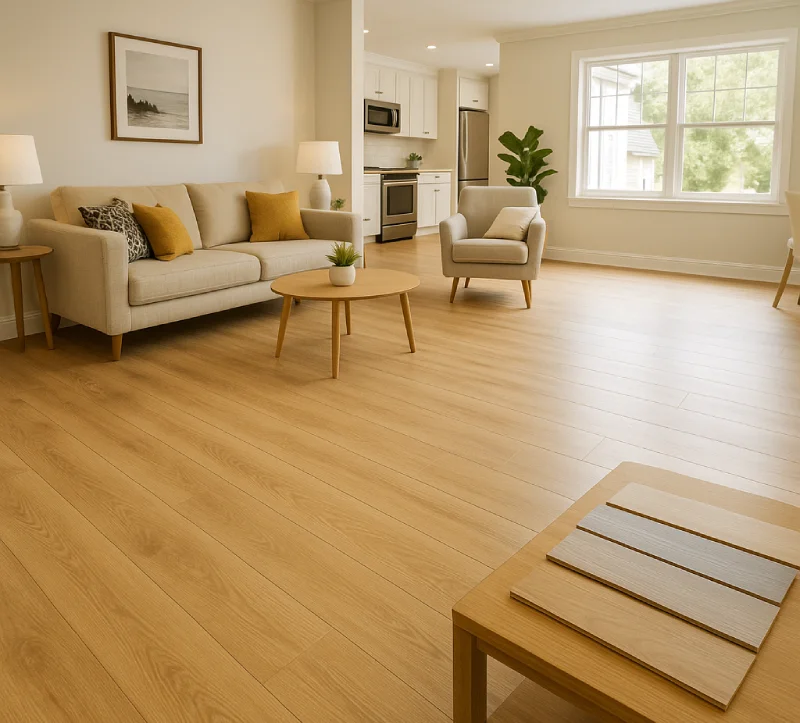
Laminate flooring has become a cornerstone of modern home renovation in the Boston North region by offering an ideal blend of cost-effectiveness, durability, and stylish design. In this guide, you’ll discover why laminate delivers exceptional value, how its manufacturing and installation processes keep budgets in check, and what design trends and performance features drive its widespread appeal—insights often shared by an experienced cabinetry and flooring contractor. We’ll cover:
- The key factors behind laminate’s affordability
- The drivers of its popularity among busy homeowners and builders
- Durability benchmarks and AC ratings
- Installation options and subfloor considerations
- Local design trends in Boston North
- Maintenance tips for long-lasting beauty
- A balanced view of pros and cons versus hardwood and vinyl
- How Cabstone.us supports your choice with expert services
By the end, you’ll understand why laminate flooring stands out as a smart, reliable, and design-forward solution—and how to bring it home with confidence through your flooring installation company.
Laminate Flooring Affordability: Key Factors Behind Its Cost-Effectiveness
Laminate flooring combines engineered fiberboard cores with printed décor layers and protective top coatings to deliver a convincing wood or stone look at a fraction of the price of natural materials. This multi-layer construction, simplified installation system, and low maintenance requirements contribute to laminate’s reputation as an economical flooring choice.
How Laminate Flooring’s Manufacturing Process Reduces Costs
Laminate panels are built from:
- A wear layer of clear melamine resin that resists scratches and stains
- A design layer with high-definition printing of wood or stone patterns
- A high-density fiberboard (HDF) core made from compressed wood fibers
- A backing layer that stabilizes moisture and prevents warping
By using recycled wood fibers and mass-production lamination presses, manufacturers minimize raw-material waste and labor. The printed décor layer replaces costly milling or quarrying, cutting both material and processing expenses. This engineered approach yields a durable, budget-friendly panel that mimics natural textures without the premium price tag.
The Environmental Impact Of Laminate Flooring - A Sustainable Option?
Laminate flooring often incorporates recycled materials and utilizes less wood compared to traditional hardwood, contributing to its sustainability and cost-effectiveness. Its manufacturing process can also generate lower emissions, making it a more environmentally friendly choice.
This research directly supports the article's claims about laminate flooring's affordability stemming from its manufacturing process and the use of recycled materials.
Installation Methods That Make Laminate Flooring Budget-Friendly
Laminate's innovative click-lock system simplifies flooring installation by snapping boards together without glue or nails, enabling:
- DIY installation by homeowners, reducing or eliminating labor fees
- Faster professional installation when hired, lowering on-site time and related costs
- Minimal subfloor preparation, as many laminates accommodate minor imperfections
In Boston North, average installation quotes for laminate run 30–50% lower than solid hardwood, thanks to the glueless system and straightforward underlayment requirements. Homeowners save on tools and adhesives, while builders streamline project schedules.
Laminate Flooring Offers Long-Term Value Compared to Other Floors
Laminate’s initial savings extend over its lifespan through:
- Low maintenance: no sanding, staining, or resealing
- High resistance: wear layers withstand daily traffic and spills
- Simple repairs: damaged planks can be swapped without replacing entire rooms
| Flooring Type | Initial Cost ($/sq ft) | Installation Cost | Maintenance Cost | Typical Lifespan |
| Laminate | 2.00 – 4.00 | Moderate | Low | 15 – 25 years |
| Hardwood | 6.00 – 12.00 | High | Moderate | 30 – 100 years |
| Luxury Vinyl | 3.50 – 5.50 | Moderate | Low | 10 – 20 years |
This cost comparison shows laminate’s exceptional return on investment for homeowners seeking quality and longevity without a hefty upfront price.
Laminate Flooring Cost Comparison to Hardwood and Vinyl
Laminate typically costs less than engineered or solid hardwood while offering greater scratch resistance than many vinyl products. When factoring in labor, underlayment, and maintenance over time, laminate often emerges as the most budget-friendly choice—especially for large areas or multi-room renovations.
Popularity Drivers for Laminate Flooring Among Homeowners and Builders
Laminate flooring’s blend of resilience, aesthetic versatility, and ease of care resonates with Boston North families, busy contractors, and design-minded homeowners alike. Its broad appeal stems from performance features and a catalog of modern styles that align with current preferences.
Laminate Flooring as a Top Choice for Busy Boston North Homes
High-traffic areas demand materials that resist wear, spills, and abrasion. Laminate panels with AC3–AC5 abrasion ratings deliver:
- Scratch resistance against pets, kids, and moved furniture
- Stain and dent resistance from daily use
- Spill protection with water-resistant options suitable for kitchens and mudrooms
This robustness makes laminate an ideal solution for runners, living spaces, and entryways where durability is non-negotiable.
Design Trends Influencing Laminate Flooring’s Appeal
Realistic textures and on-trend colors drive aesthetic popularity:
- Embossed-in-Register (EIR) technology enhances grain depth for lifelike wood finishes
- Wide plank formats create open, modern floorscapes
- Matte and low-gloss finishes reflect current minimalistic tastes
- Greige and warm gray tones complement contemporary and transitional interiors
Laminate’s printed layers can emulate oak, maple, hickory, slate, or marble, broadening style options without custom milling.
Maintenance Benefits Making Laminate Flooring Popular
Laminate simplifies upkeep through:
- Dry sweeping or vacuuming for everyday cleaning
- Damp mopping with pH-neutral cleaners, avoiding harsh chemicals
- Hypoallergenic surfaces that trap fewer airborne irritants than carpet
These features appeal to allergy sufferers, families with children, and anyone seeking effortless care.
Laminate Flooring Evolution to Meet Modern Home Needs
- Enhanced water resistance in spill-proof collections
- Attached underlayment options for sound absorption and thermal comfort
- Textured surfaces that mimic hand-scraped or distressed hardwood
- Green manufacturing practices that reduce environmental impact
This continuous evolution keeps laminate at the forefront of affordable, high-performance flooring.
Laminate Flooring Durability: Understanding Wear Layers and AC Ratings
Durability is central to laminate’s popularity. Its protective topcoat and classification system help consumers select the right product for each room’s traffic and use patterns.
AC Ratings and Their Importance for Laminate Floors
Abrasion Class (AC) ratings measure a wear layer’s resistance:
- AC3: Residential medium traffic (living rooms, bedrooms)
- AC4: Residential heavy or commercial moderate traffic (kitchens, small offices)
- AC5: Commercial heavy traffic (retail, high-use public areas)
Choosing the correct AC rating ensures longevity under expected footfall and use conditions, preventing premature wear.
AC Ratings on Laminate Floors: Decoding the Durability Scale
Abrasion Class (AC) ratings are an internationally recognized system indicating laminate flooring's wear resistance, determined through rigorous tests like the Taber abrasion test and impact resistance tests. These ratings, ranging from AC1 to AC6, help consumers select appropriate flooring for different traffic levels, ensuring longevity.
This source verifies the article's explanation of AC ratings, their determination through testing, and their importance for selecting durable laminate flooring.
Laminate Flooring Resistance to Scratches, Dents, and Water
Laminate’s wear layer safeguards against everyday hazards:
- Scratch resistance from durable melamine coatings
- Dent resistance due to dense HDF cores
- Water resistance in specialized collections, with fully waterproof options for bathrooms
Advanced coatings and core treatments channel moisture away from seams, reducing swelling and warping.
Laminate Flooring Withstanding Pets, Children, and High Traffic
Yes. Laminate panels rated AC4 or AC5 are engineered to endure active households with:
- Scratch-proof surfaces that tolerate pet nails
- Stain-resistant finishes that repel spills and accidents
- Seam protection to prevent edge lifting under constant use
Laminate’s resilience makes it a practical choice for busy families and commercial applications alike.
Laminate Flooring Installation: Exploring DIY and Professional Options
The Click-Lock System and Installation Simplification
Click-lock panels feature milled edges that interlock securely without glue or nails. Benefits include:
- Faster floor installation: boards snap into place with minimal tools
- Floating floor: the entire assembly rests on underlayment without permanent attachment
- Reusability: planks can be disassembled and reinstalled if needed
This system reduces labor time and accommodates minor subfloor irregularities.
DIY vs. Professional Installation in Boston North
DIY installation saves on labor costs and suits homeowners with basic carpentry skills. Hiring a flooring contractor offers:
- Precise subfloor leveling
- Seamless transitions to other flooring types
- Manufacturer-backed warranties on labor
Weigh savings against desired finish quality to decide the best approach for your project.
Subfloor Requirements for Laminate Flooring Installation
A stable, flat base ensures laminate performs as intended. Subfloor guidelines include:
- Clean and dry surface free of debris and moisture
- Levelness within 3/16″ over 10 feet to prevent uneven wear
- Moisture barrier for concrete slabs to protect HDF cores
- Appropriate underlayment for sound control and cushioning
Proper preparation avoids squeaks, gaps, and premature edge damage.
Latest Laminate Flooring Design Trends in Boston North
Popular Colors and Textures for Laminate Flooring
- Greige tones that pair seamlessly with neutral palettes
- Whitewashed finishes to brighten smaller rooms
- Hand-scraped textures that evoke artisanal craftsmanship
- Charcoal and espresso hues for dramatic contrast
These options complement coastal and New England-style interiors while satisfying modern design sensibilities.
Wide Planks and Patterned Layouts Enhancing Laminate Floors
Wider boards (7″–9″+) create the illusion of expanded space and reduce seam visibility. Patterned installations such as:
- Herringbone for classic elegance
- Chevron for dynamic movement
- Random-length plank for a relaxed, organic feel
Add visual interest and architectural detail without custom milling costs.
Embossed-in-Register (EIR) Technology Improving Realism
EIR synchronizes the printed grain pattern with the textured surface, so ridges align precisely with visuals. This technique:
- Mimics authentic wood knots and grooves
- Enhances tactile appeal underfoot
- Elevates perceived quality to rival real hardwood
EIR Embossed in Register Flooring Explained
Embossed-in-Register (EIR) is a manufacturing technique that significantly enhances the realism of laminate flooring by precisely aligning the embossed surface texture with the printed design pattern. This synchronization creates a tactile and visual experience that closely mimics natural wood grains, knots, and grooves.
This citation directly supports the article's explanation of EIR technology and its role in creating realistic and aesthetically appealing laminate designs.
Laminate Flooring Maintenance for Longevity and Beauty
Best Cleaning Practices for Laminate Floors
To maintain a flawless finish:
- Dry mop or vacuum daily to remove abrasive particles
- Damp mop weekly with a microfiber pad and pH-neutral cleaner
- Avoid standing water by wringing mops thoroughly
- Use protective pads under furniture to prevent dents
Consistent gentleness keeps the wear layer intact and prevents moisture damage.
Laminate Flooring Supporting Allergy-Friendly Homes
Laminate surfaces do not harbor dust mites, pollen, or pet dander the way carpets can. Sealed seams and easy-clean finishes:
- Reduce airborne allergens
- Improve indoor air quality
- Simplify allergy management for sensitive occupants
Families with respiratory concerns appreciate laminate’s hygienic profile.
Laminate Flooring Repair and Refinishing Options
Laminate cannot be sanded or refinished like solid wood, but:
- Individual planks can be replaced if damaged
- Scratch-repair kits restore minor scuffs
- Preventive measures—area rugs, mats, and pads—limit wear
Thoughtful upkeep and prompt plank swaps maintain an “as-new” appearance.
Pros and Cons of Laminate Flooring Compared to Other Options
Main Advantages of Choosing Laminate Flooring
- Affordability: lower material and installation costs
- Durability: high AC ratings and protective coatings
- Design versatility: extensive décor library with EIR textures
- Low maintenance: simple cleaning routines
- DIY-friendly: click-lock installation system
These strengths make laminate ideal for budget-conscious, high-use environments.
Common Drawbacks and How They Are Overcome
- Moisture sensitivity: choose water-resistant collections for vulnerable areas
- Non-refinishable: plan for plank replacements and use area protectors
- Perceived authenticity: EIR and wide-plank designs narrow the realism gap
Understanding these limitations guides product selection and installation decisions.
Laminate Flooring Comparison to Hardwood and Vinyl in Performance
| Feature | Laminate | Solid Hardwood | Luxury Vinyl |
| Water Resistance | Water-resistant to waterproof | Sensitive to moisture | Waterproof options available |
| Scratch Resistance | High (AC3–AC5) | Moderate | Moderate to high |
| Installation Ease | Click-lock, DIY friendly | Nailing or gluing required | Click or glue-down |
| Cost per sq ft | $2.00–$4.00 | $6.00–$12.00 | $3.50–$5.50 |
| Repair/Re-finish | Replace individual planks | Sand and refinish | Replace tiles or planks |
Laminate strikes a middle ground: more durable and realistic than many vinyl floors at a lower cost than hardwood.
Conclusion
Laminate flooring stands out as an affordable, durable, and stylish choice for homeowners and builders in Boston North, offering significant long-term value. Its easy installation and low maintenance requirements make it an ideal solution for busy lifestyles, while the variety of designs ensures it meets modern aesthetic preferences. By choosing laminate, you can enjoy the beauty of natural materials without the hefty price tag.
Explore CabStone's range of high-quality laminate options. As your trusted flooring company, we help you elevate your space with confidence.
Frequently Asked Questions
What is the main advantage of laminate flooring?
The main advantage of laminate flooring is its excellent balance of affordability, durability, and aesthetic versatility. It offers the look of natural materials like wood or stone at a significantly lower cost, with a wear layer that resists scratches and stains, making it a practical choice for many homes.
Is laminate flooring good for kitchens?
Yes, laminate flooring can be a good choice for kitchens, especially newer collections that offer enhanced water resistance or are fully waterproof. Its durability and ease of cleaning are beneficial in a high-traffic area prone to spills. However, it's crucial to clean up spills promptly, especially with non-waterproof options.
How long does laminate flooring typically last?
Laminate flooring typically lasts between 15 to 25 years, depending on the quality of the product, the AC rating, and the level of foot traffic and maintenance it receives. Higher AC-rated laminates in residential settings can often exceed this lifespan.
Can you install laminate flooring over existing floors?
Yes, in many cases, laminate flooring can be installed over existing hard-surface floors like vinyl, tile, or even hardwood, provided the subfloor is clean, dry, and level. This can save on demolition and disposal costs. Search for flooring contractors near me to ensure proper assessment of your existing subfloor. An underlayment is usually required.
Is laminate flooring waterproof?
Standard laminate flooring is water-resistant but not fully waterproof. However, many manufacturers now offer waterproof laminate collections specifically designed for areas like bathrooms, kitchens, and basements, featuring a fully sealed core and wear layer.
Does laminate flooring scratch easily?
Laminate flooring is known for its good scratch resistance, especially those with higher AC ratings (AC4 and AC5). The protective wear layer is designed to withstand daily wear and tear, including scratches from pets and furniture. However, extremely heavy or sharp objects can still cause damage.
Is laminate flooring noisy to walk on?
Laminate flooring can sometimes produce a hollow or clicking sound when walked on, especially if not installed with a proper underlayment or if the subfloor is uneven. Using a high-quality underlayment designed for sound absorption can significantly reduce noise.
Can laminate flooring be repaired?
Minor scratches and scuffs on laminate flooring can often be repaired using scratch-repair kits or touch-up markers. For more significant damage, individual planks can be replaced, especially with click-lock systems. Unlike hardwood, laminate cannot be sanded and refinished.
What is the difference between laminate and vinyl flooring?
While both are durable and often mimic wood or stone, laminate flooring typically has a fiberboard core with a printed design layer, making it less water-resistant than luxury vinyl, which is usually 100% waterproof and made from PVC. Laminate can also offer a more realistic texture and depth due to technologies like EIR.
Is laminate flooring a good choice for basements?
Laminate flooring can be a suitable choice for basements, especially waterproof or highly water-resistant options. Basements are prone to moisture issues, so selecting a product designed for these conditions and ensuring proper installation with a moisture barrier is crucial to prevent warping or damage.