Pergolas, Pavilions, and Shade Sails: Which Structure Fits Your Backyard (and Budget)
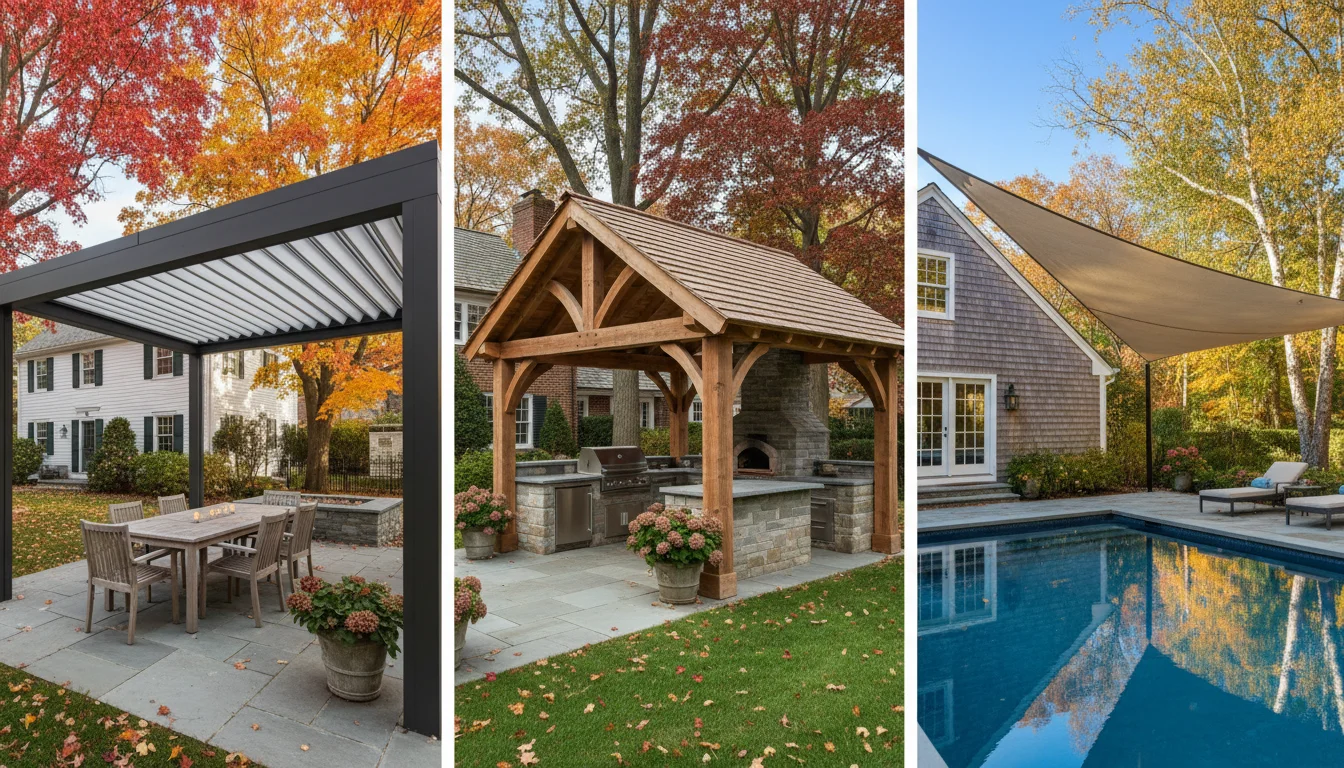
Pergolas provide partial shade with an open or adjustable roof, pavilions offer complete weather protection with a solid roof and open walls, and shade sails are tensioned fabric panels that block the sun at a fraction of the construction cost. The right choice depends on how much weather protection you need, how you plan to use the space, and what your property can structurally support.
Every spring, the calls start coming in: "We want something over our patio, but we don't know what." It's one of the most common conversations we have with homeowners on the North Shore. You know you want shade. You know you want to spend more time outside. But the options are confusing, and most of what you find online is manufacturer marketing that doesn't give you the full picture.
At CabStone, we design and build outdoor living spaces across the Boston North Shore, and shade structures are at the center of most projects. This pergola guide breaks down the three main options we work with, compares them honestly, and helps you figure out which one actually makes sense for your backyard, your climate, and how you like to spend time outside.
What Exactly Is Each Structure, and How Do They Differ?
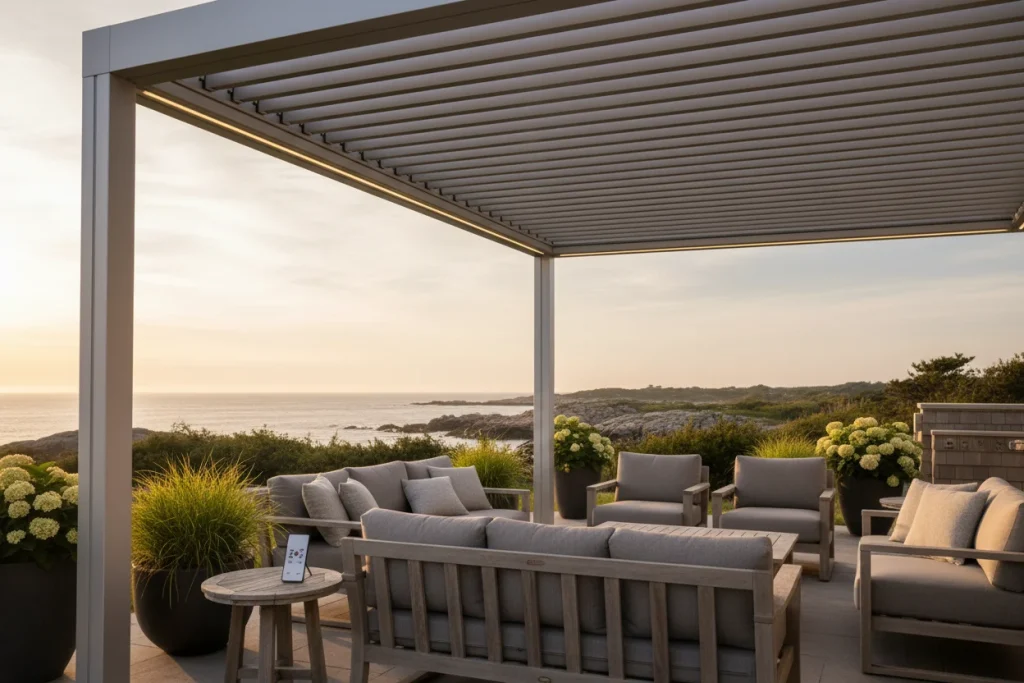
A pergola is an open-roof structure supported by columns with cross-beams or adjustable louvers overhead. A pavilion is a freestanding structure with a solid, weatherproof roof and open sides. A shade sail is a tensioned fabric membrane stretched between anchor points to create a canopy. Each serves a different function, and understanding those differences is the first step toward the right decision.
Let's define the three options clearly, because the terminology gets used loosely, and it causes confusion.
Pergolas
A traditional pergola has vertical posts supporting an open lattice of horizontal beams and rafters. It creates filtered shade, not full coverage. You'll still feel some sun and get wet in the rain. That's the classic design, and for some homeowners, it's exactly what they want - a defined outdoor room with airflow and partial shade that still feels connected to the open sky.
But the pergola category has expanded significantly. Motorized pergolas with adjustable aluminum louvers are the fastest-growing segment of the outdoor living market. These systems let you rotate the roof louvers from fully open to fully closed with a remote control or smartphone app. When closed, the louvers interlock and channel rainwater off the roof through integrated gutters. When open, they let sunlight and breeze pass through. We install these frequently because they give homeowners the flexibility of a pergola and the weather protection of a pavilion in a single structure.
Pavilions
A pavilion is a permanent structure with a solid roof - typically framed in wood or steel with asphalt shingles, metal roofing, or another conventional roofing material. The sides are open, though some homeowners add screens, curtains, or even retractable glass walls. Pavilions provide complete rain protection and full shade at all times. They're the go-to choice for outdoor kitchens, dining areas, and any space where you want to use the area regardless of weather.
Think of a pavilion as a room without walls. The solid roof means you can install ceiling fans, speakers, lighting fixtures, and even mount a television without worrying about exposure.
Shade Sails
Shade sails are triangular or rectangular pieces of UV-resistant fabric stretched between posts, walls, or trees using turnbuckles and cables. They're the most affordable shade option and can look striking when designed well. The trade-off is that they provide no rain protection, require periodic retensioning, and have a shorter lifespan than built structures. Most shade sail fabrics last five to ten years before UV degradation requires replacement. They also need to be removed or secured during high winds and New England winter storms.
| Feature | Pergola (Traditional) | Pergola (Motorized Louvered) | Pavilion | Shade Sail |
| Rain protection | None | Full (when louvers closed) | Full | None |
| Shade level | Partial (filtered) | Adjustable (0-100%) | Full | Moderate to high (UV block) |
| Wind resistance | Good | Good to excellent | Excellent | Poor to moderate |
| Snow load capacity | N/A (open roof) | Engineered for local loads | Engineered for local loads | Must be removed in winter |
| Lifespan | 20-30+ years (wood/aluminum) | 20-30+ years (aluminum) | 30-50+ years (timber/steel) | 5-10 years (fabric) |
| Permits typically required | Yes (in MA) | Yes | Yes | Varies by municipality |
What Materials and Construction Methods Should You Know About?
Pergolas and pavilions can be built from pressure-treated lumber, cedar, aluminum, steel, or engineered timber. Material choice affects lifespan, maintenance requirements, and aesthetic integration with your home. Shade sails use commercial-grade HDPE or PVC-coated polyester fabric rated for UV resistance and tensile strength.
Material selection is where projects start to diverge in both quality and longevity. On the North Shore, everything you build outdoors has to survive freeze-thaw cycles, coastal humidity, snow loads, and intense summer UV exposure.
Wood Options
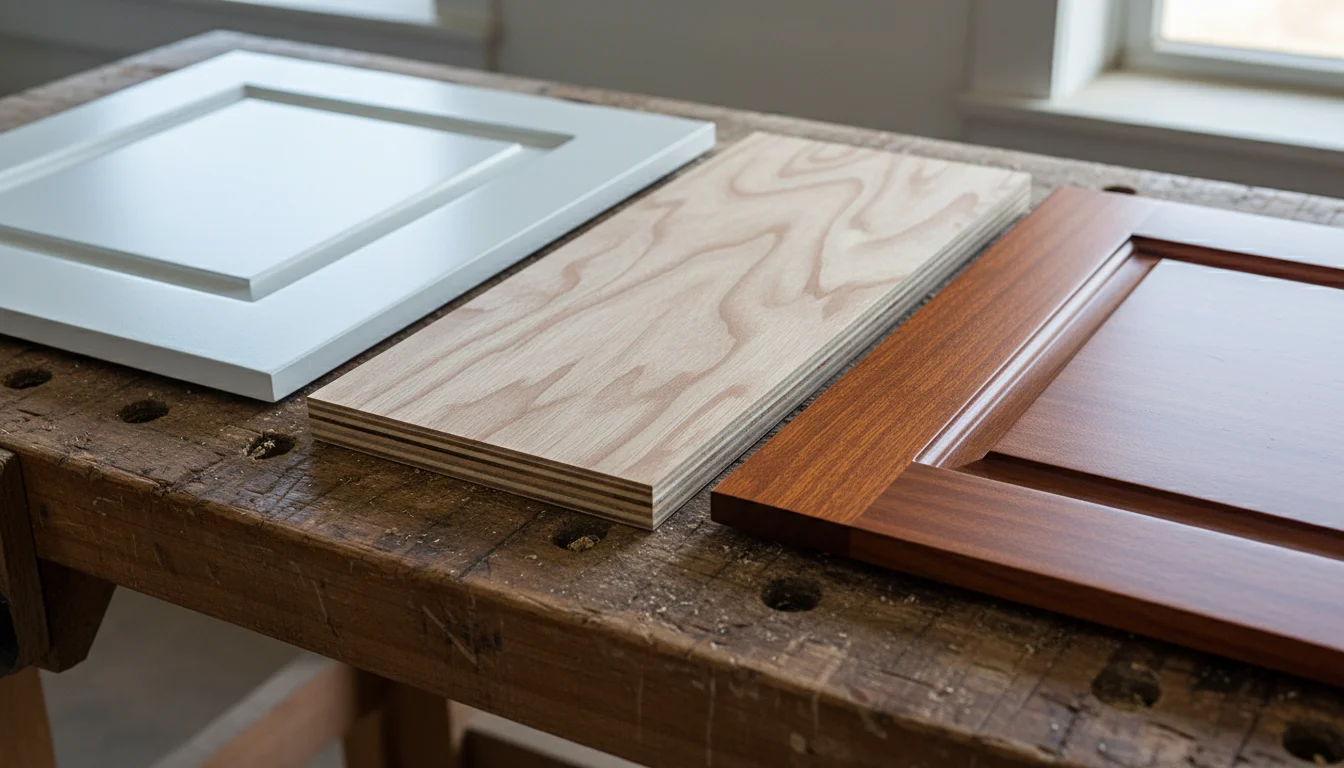
Cedar and pressure-treated southern yellow pine are the most common wood choices for pergolas and pavilions in Massachusetts. Cedar is naturally rot-resistant, weathers to a silver-gray if left untreated, and can be stained or sealed to maintain its original color. Pressure-treated lumber is more affordable and structurally strong but requires regular staining or sealing to maintain appearance and resist checking over time.
For high-end pavilion projects, we use engineered timber beams (glulam) that span wider distances without intermediate support posts. These look clean, perform structurally, and make the space underneath feel more open.
Aluminum and Steel
Motorized pergolas are almost exclusively built from extruded aluminum. It doesn't rust, doesn't rot, holds powder-coat finishes for decades, and is lightweight enough to support motorized louver mechanisms without overloading the system. The powder coat comes in a wide range of colors, so we match it to your home's trim, gutters, or existing outdoor furniture.
Steel is used in some custom pavilion frames where maximum span and minimal post count are priorities. It's stronger than aluminum but heavier, more expensive, and requires paint or powder coating to prevent rust. For most residential projects, aluminum or wood is the better fit.
Shade Sail Fabrics
Commercial-grade shade sail fabric is made from high-density polyethylene (HDPE) mesh or PVC-coated polyester. HDPE mesh blocks most UV while allowing airflow and some light transmission. PVC-coated polyester blocks more sun, but traps heat underneath. The hardware (posts, cables, turnbuckles, and connection plates) needs to be stainless steel or galvanized to handle outdoor exposure.
| Material | Best For | Maintenance | Lifespan in MA Climate | Weather Resistance |
| Western red cedar | Pergolas, pavilions | Stain/seal every 2-3 years | 20-30 years | Good (naturally rot-resistant) |
| Pressure-treated pine | Budget pergolas, pavilions | Stain/seal every 1-2 years | 15-25 years | Good (chemically treated) |
| Extruded aluminum | Motorized pergolas | Minimal (wipe down annually) | 25-30+ years | Excellent (no rust, no rot) |
| Steel | Custom pavilion frames | Paint/powder coat maintenance | 30-50 years | Good (with proper coating) |
| HDPE mesh fabric | Shade sails | Retension seasonally, replace every 5-10 years | 5-10 years | Moderate (UV degrades over time) |
How Do You Decide Which Structure Fits Your Space and Lifestyle?
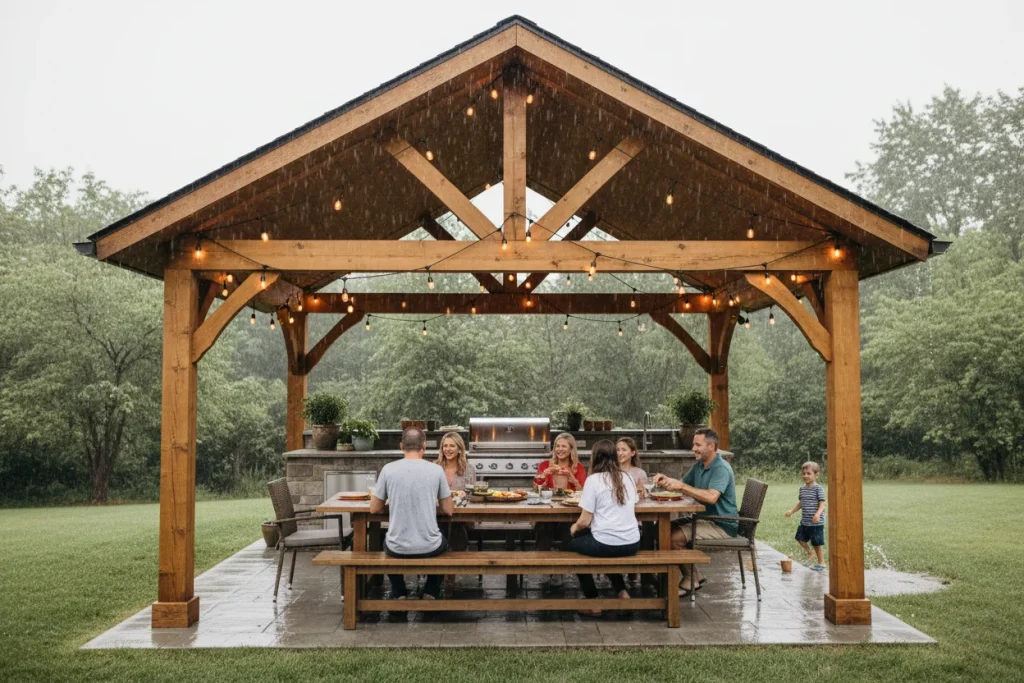
Match the structure to three factors: how much weather protection you need, how you'll use the space day to day, and the physical characteristics of your yard, including size, grade, and proximity to the house. Homeowners who primarily grill and dine outdoors need rain coverage. Those who want ambiance and a defined outdoor space may prefer a pergola. Budget-conscious shade over a play area or pool points toward shade sails.
This is where the real conversation happens. We've seen homeowners spend months researching materials and styles when the first question should be: what are you actually going to do under this thing?
The Weather Protection Question
If you want to use your outdoor space during a New England drizzle, you need either a pavilion or a motorized louvered pergola with closeable louvers. A traditional open pergola and a shade sail won't keep you dry. That single factor eliminates two of the four options for many families. On the North Shore, where we get rain roughly a third of the days between April and October, weather protection dramatically increases how many months you actually use the space.
The Use Case Question
- Outdoor kitchen or bar: Pavilion or motorized pergola. You need a covered space for appliances, prep surfaces, and guest seating that stays dry.
- Dining and entertaining: Pavilion for maximum protection, motorized pergola for flexibility between open-air and covered.
- Pool deck shade: Shade sail for budget-conscious coverage, or a freestanding pergola for a more permanent architectural feature.
- Hot tub enclosure: Pavilion or motorized pergola for privacy and weather protection overhead.
- Kids' play area: Shade sail for quick, affordable UV protection. Replace the fabric every few years as needed.
The Property Factor
Not every yard can support every structure. Pavilions need a substantial foundation, often concrete piers or a concrete pad, because of the weight of the roof system. Motorized pergolas are lighter but still need properly engineered footings. Shade sails need anchor points that can handle significant tension loads, which may mean installing steel posts with concrete bases. The grade of your yard, proximity to property lines, and existing landscaping all influence what's practical. We assess all of this during a site visit before recommending a specific direction.
If you're combining a shade structure with an outdoor kitchen, the two projects should be designed as a single unit. The structure needs to accommodate ventilation from a built-in grill, clearances for gas lines, and electrical for lighting and any motorized components. That's why working with an outdoor living contractor who handles both the structure and the kitchen makes the whole process smoother.
What About Permits, Costs, and the Practical Details Nobody Mentions?
Most permanent shade structures in Massachusetts require a building permit because they involve footings, structural connections, and, in many cases, electrical wiring for lighting or motorized components. Shade sails may or may not require permits depending on your municipality and whether the installation involves permanent posts. Your contractor should confirm permit requirements during the design phase, not after construction begins.
This is where the online comparison articles stop, and real project planning begins.
Permitting
Any structure with footings, posts set in concrete, or a connection to your home's framing requires a building permit in Massachusetts. That includes pergolas, motorized pergolas, and pavilions. Shade sails fall into a gray area. If you're anchoring to permanent posts with concrete foundations, most building departments will want a permit. If you're attaching to existing structures or trees, requirements vary. We always recommend checking with your local building department before starting, and we handle the permit process for every structure we build.
How They Pair with Other Outdoor Features
A shade structure rarely stands alone. Most of our projects combine a gazebo-style pavilion or motorized pergola with one or more of these features:
- Outdoor kitchen: Covered cooking and prep space, typically under a pavilion or louvered pergola
- Fire pit or fireplace: Adjacent to the covered structure, usually in the open for smoke ventilation
- Seating walls and built-in benches: Defining the perimeter of the covered space
- Landscape lighting: Integrated into posts, beams, and surrounding hardscape
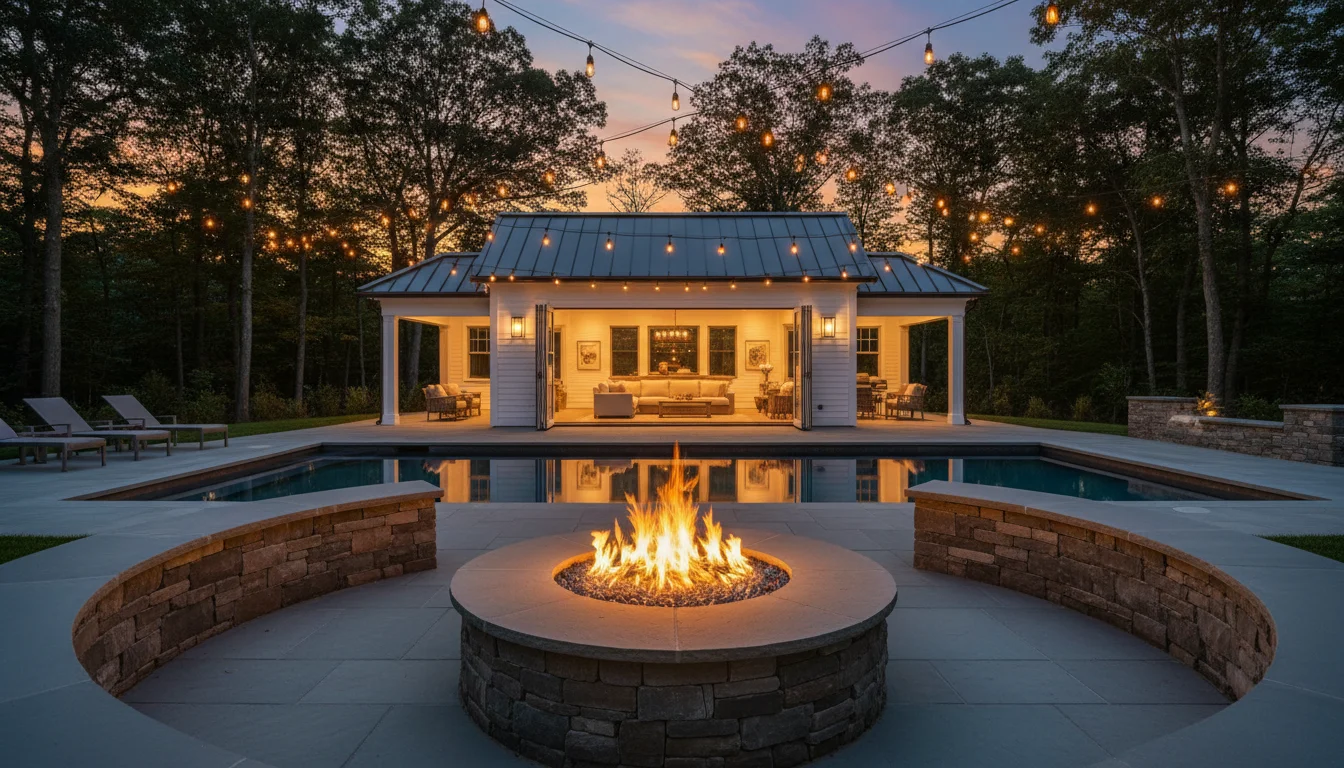
- Pool house: A larger pavilion with enclosed storage, a changing area, or bathroom
The shade structure becomes the anchor of your outdoor living space, and everything else connects to it. That's why we approach these projects as complete design-builds rather than standalone structure installations.
Snow Load and Wind Considerations
New England building codes require structures to handle specific snow loads based on your location. On the North Shore, that's typically around 40 to 50 pounds per square foot of ground snow load, depending on your exact municipality. Motorized pergola manufacturers engineer their systems for regional snow load requirements, but the footings and post sizing still need to be specified by someone who understands local conditions. Shade sails should be removed before the first significant snowfall. The fabric isn't designed to carry snow weight, and accumulation can tear the material or pull anchor points out of the ground.
| Practical Detail | Pergola | Pavilion | Shade Sail |
| Building permit required (MA) | Yes | Yes | Varies (usually yes if permanent posts) |
| Foundation type | Concrete piers or post bases | Concrete piers or slab | Concrete footings for steel posts |
| Electrical integration | Optional (lighting, motorized) | Standard (fans, lights, outlets) | Rare |
| Snow load engineering | Required for motorized/solid | Required | Not applicable (remove for winter) |
| Typical project timeline | 2-4 weeks | 4-8 weeks | 1-2 weeks |
| Pairs best with | Dining, entertaining, hot tub | Outdoor kitchen, full outdoor room | Pool deck, play area, garden |
Key Takeaways
- Motorized louvered pergolas offer the flexibility of traditional pergolas with the rain protection of pavilions, making them the most versatile option for New England backyards.
- Pavilions provide the most comprehensive weather protection and are the best choice for outdoor kitchens, dining areas, and year-round spaces, regardless of conditions.
- Shade sails are the most affordable option but offer no rain protection, must be removed during winter storms, and require fabric replacement every 5 to 10 years.
- Material choice should prioritize resistance to New England weather. Cedar and aluminum outperform pressure-treated lumber in longevity and maintenance requirements.
- Match the structure to your primary use case first, then select materials and design. Weather protection needs should drive the decision more than aesthetics alone.
- Most shade structures in Massachusetts require building permits. Your contractor should handle permitting as part of the project scope.
Frequently Asked Questions
Do I need a permit to build a pergola in Massachusetts?
Yes. Any pergola with footings set in concrete or a structural connection to your home requires a building permit. Your contractor should handle the permit application and all required inspections.
How long does a motorized louvered pergola last?
Most motorized louvered pergola systems built from extruded aluminum last 25 to 30 years or more with minimal maintenance. The motors and electronics may need service or replacement sooner, but the structure itself is extremely durable.
Can a shade sail handle New England winters?
No. Shade sails should be removed before the first significant snowfall. The fabric isn't engineered to carry snow weight, and winter storms with high winds can tear the material or damage anchor points.
What's the difference between a pergola and a pavilion?
A pergola has an open or adjustable roof that provides partial to full shade depending on the design. A pavilion has a solid, permanent roof that provides complete rain and sun protection at all times. Pavilions are better suited for outdoor kitchens and year-round use.
Which shade structure is best for an outdoor kitchen?
A pavilion or a motorized louvered pergola with closeable louvers. Both provide the rain protection needed to keep cooking surfaces, appliances, and diners dry during unexpected weather.
How much maintenance does a cedar pergola require?
Cedar pergolas need to be stained or sealed every 2 to 3 years to maintain their color. Left untreated, cedar weathers to a natural silver-gray patina. Structural maintenance is minimal since cedar is naturally rot-resistant.
Can I attach a pergola to my house?
Yes. Attached pergolas connect to your home's fascia or wall framing with a ledger board, similar to how a deck attaches. This requires proper flashing and a building permit. Freestanding pergolas are also an option if you prefer not to attach to the house.
Are motorized pergolas worth the investment over traditional ones?
For most North Shore homeowners, the answer is yes. The ability to close the roof during rain and open it on clear days means you'll use the space significantly more often than under a fixed open pergola, especially during New England's unpredictable shoulder seasons.
What foundation does a pavilion need?
Pavilions typically require concrete piers or a poured concrete pad, depending on the structure's size and weight. The foundation must be engineered for local snow loads and frost depth requirements.
How do I choose between these options for my specific yard?
Start with your primary use case and weather protection needs. Then consider your yard's size, grade, and proximity to the house. A site visit from a qualified contractor is the fastest way to narrow the options to what actually works for your property.
Conclusion
Choosing between a pergola, pavilion, and shade sail comes down to three things: how much weather protection you need, how you'll use the space, and what your property and budget support. On the North Shore, where we build for New England's full range of seasons, motorized louvered pergolas and timber pavilions deliver the most value because they extend your outdoor season by months rather than weeks.
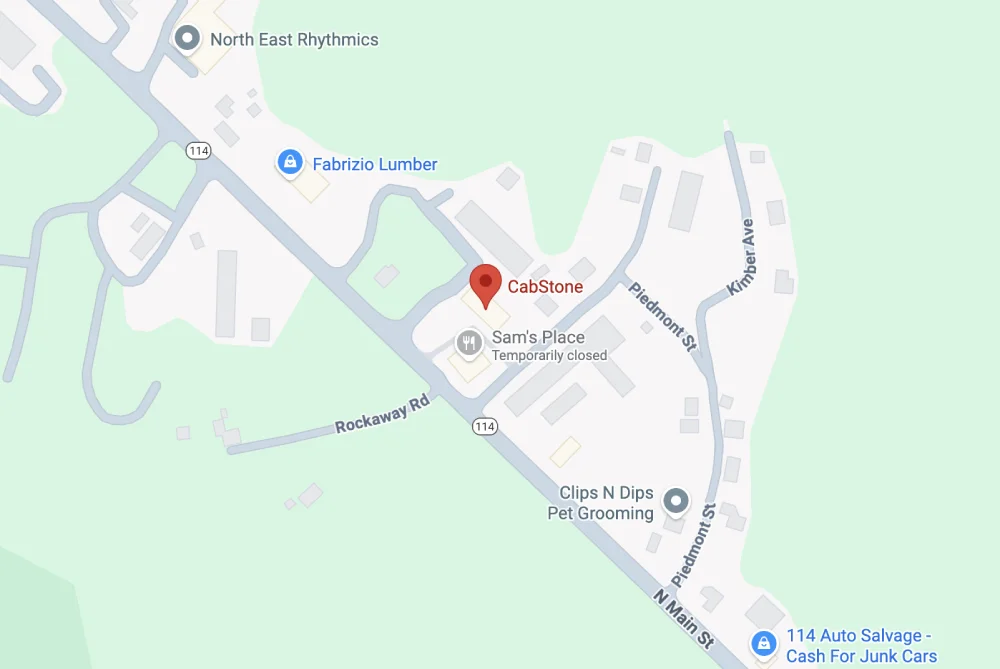
If you're ready to add a shade structure to your backyard, CabStone designs and builds custom outdoor living projects in our Middleton, MA shop. We handle everything from the initial site assessment through permitting, construction, and any integrated features like outdoor kitchens or pool houses. Call us at 617-699-3945 or visit 325A North Main Street, Middleton, MA 01949.