Outdoor Living Contractor in Middleton, MA: Pergolas, Kitchens & More
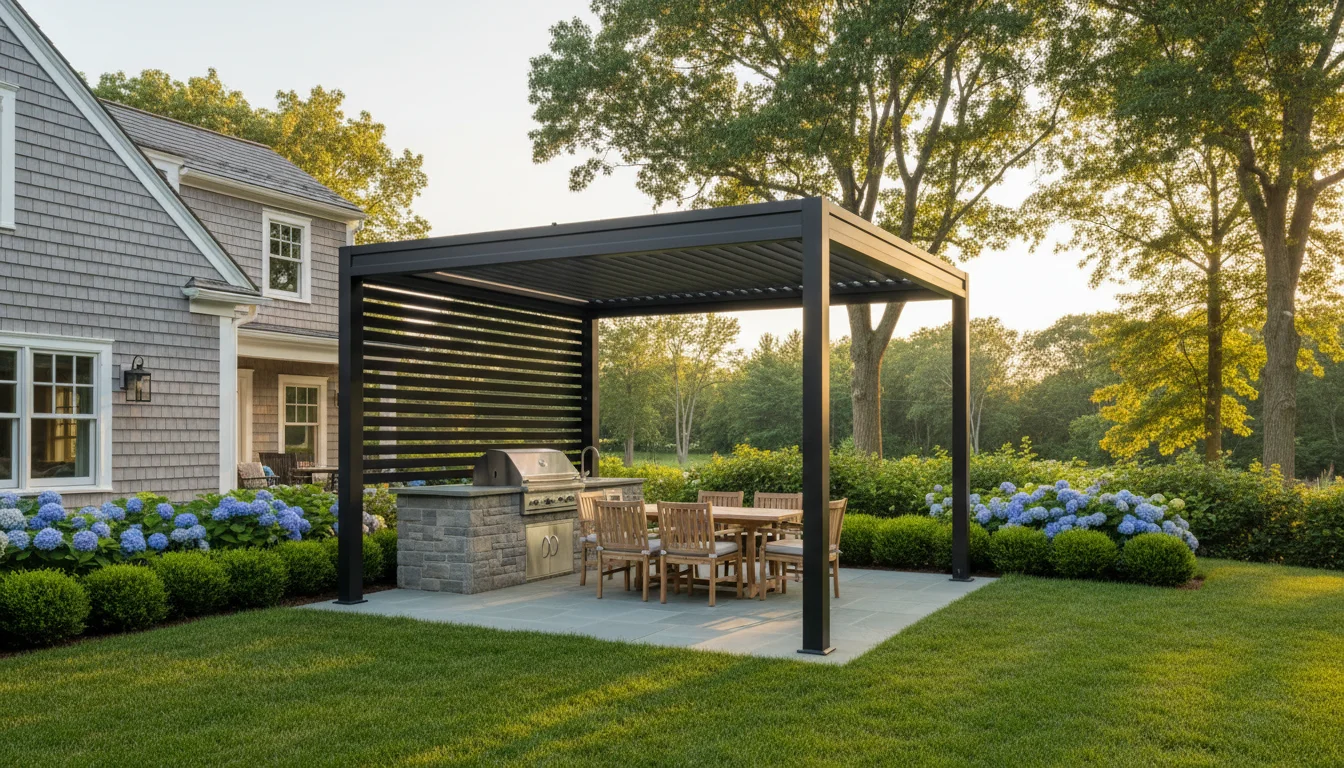
CabStone is a full-service outdoor living contractor in Middleton, MA that designs and builds pergolas, outdoor kitchens, pool houses, and custom backyard structures built to handle all four New England seasons. We don't just build summer spaces - we build year-round outdoor rooms that work from April through November and look good under a January snow load.
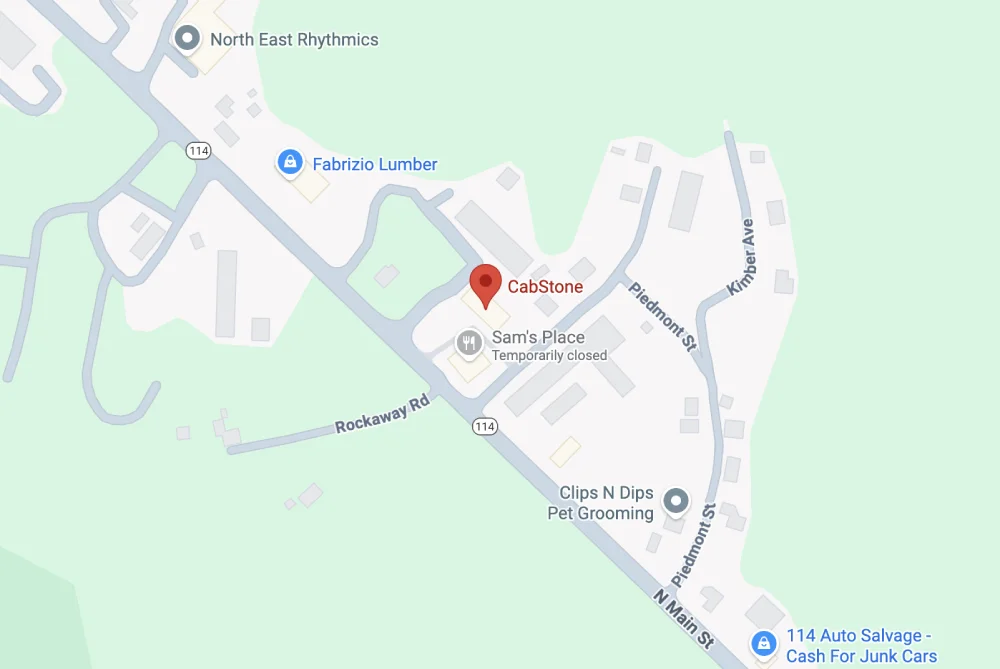
If you've been staring at your backyard thinking it could be so much more, you're not wrong. Most homes on the North Shore are sitting on underused outdoor square footage that could genuinely change how your family lives, entertains, and relaxes. We're CabStone, and we've been turning those backyards into functional outdoor living spaces from our shop at 325A North Main Street in Middleton.
Here's what we've learned after years of building in this climate: the difference between an outdoor space you actually use and one that collects leaves comes down to how it was designed, what materials were chosen, and whether your contractor understood New England weather from day one.
What Does an Outdoor Living Contractor Actually Do?
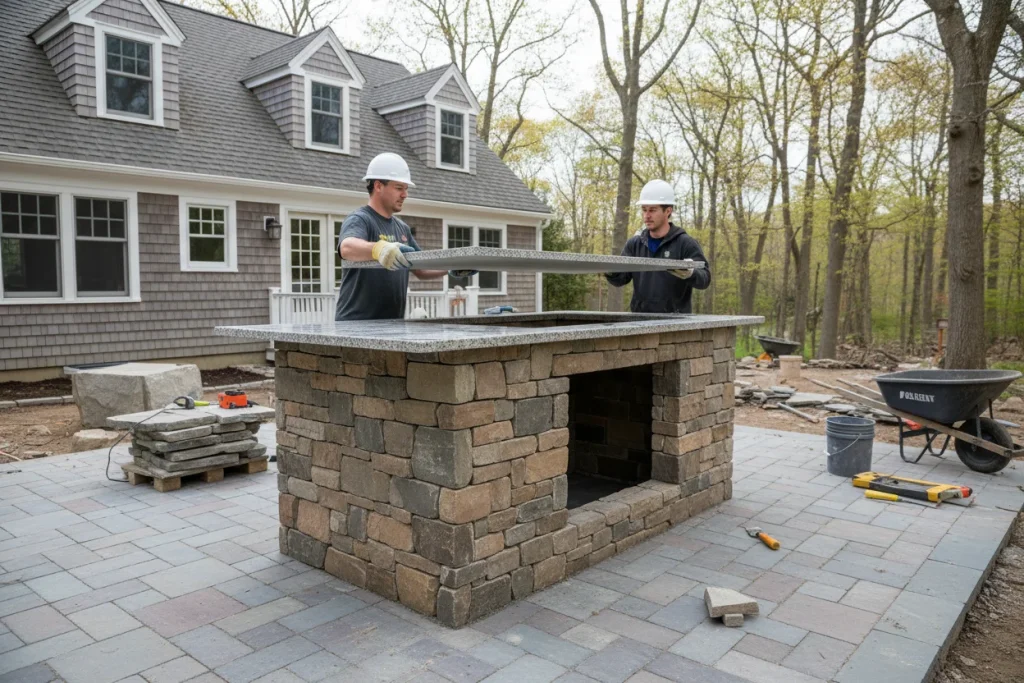
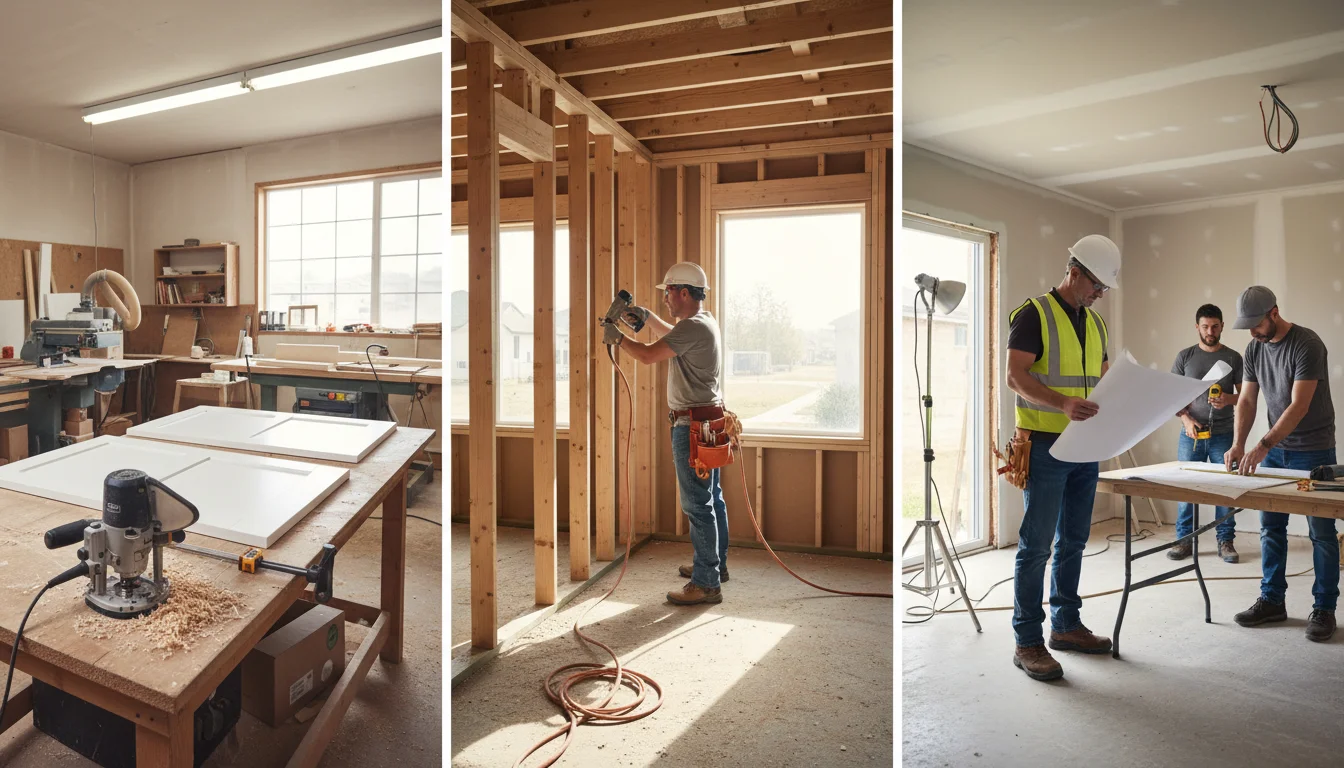
An outdoor living contractor handles everything from concept sketches through final construction of backyard structures like pergolas, outdoor kitchens, pool houses, and custom patios. Unlike a general contractor who subs out specialty work, a dedicated outdoor living contractor manages the entire project under one roof.
The term gets thrown around a lot, so let's be specific. When we say outdoor living design-build, we mean a single company handles your project from the first site visit through the final walkthrough. No bouncing between an architect, a landscape designer, and three different subcontractors. The design-build method combines design and construction services under one contract, which means fewer miscommunications, tighter timelines, and one phone number to call when you have a question.
That matters more than you'd think on outdoor projects. A kitchen island that looks great on paper might block the sight line to your pool. A pergola positioned for summer shade might dump snow onto your walkway in February. These are the kinds of problems that surface when design and construction happen in silos, and they're exactly the problems the design-build approach is built to prevent.
Here's what a typical outdoor living project includes:
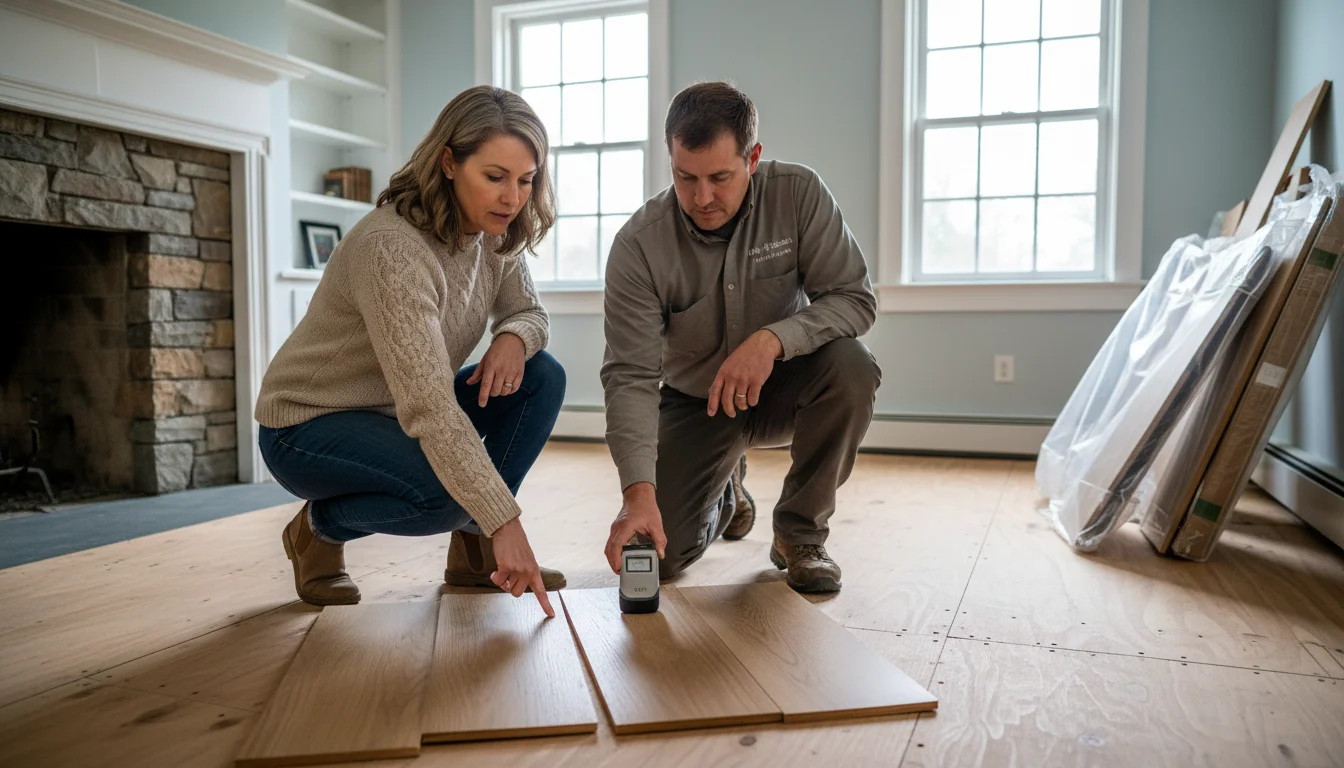
- Site evaluation and design - We walk your property, assess grading, drainage, sun exposure, wind patterns, and existing utilities before sketching a single line
- Permitting and code compliance - Outdoor structures in Massachusetts must comply with the Massachusetts State Building Code (780 CMR), and some towns on the North Shore have additional local bylaws
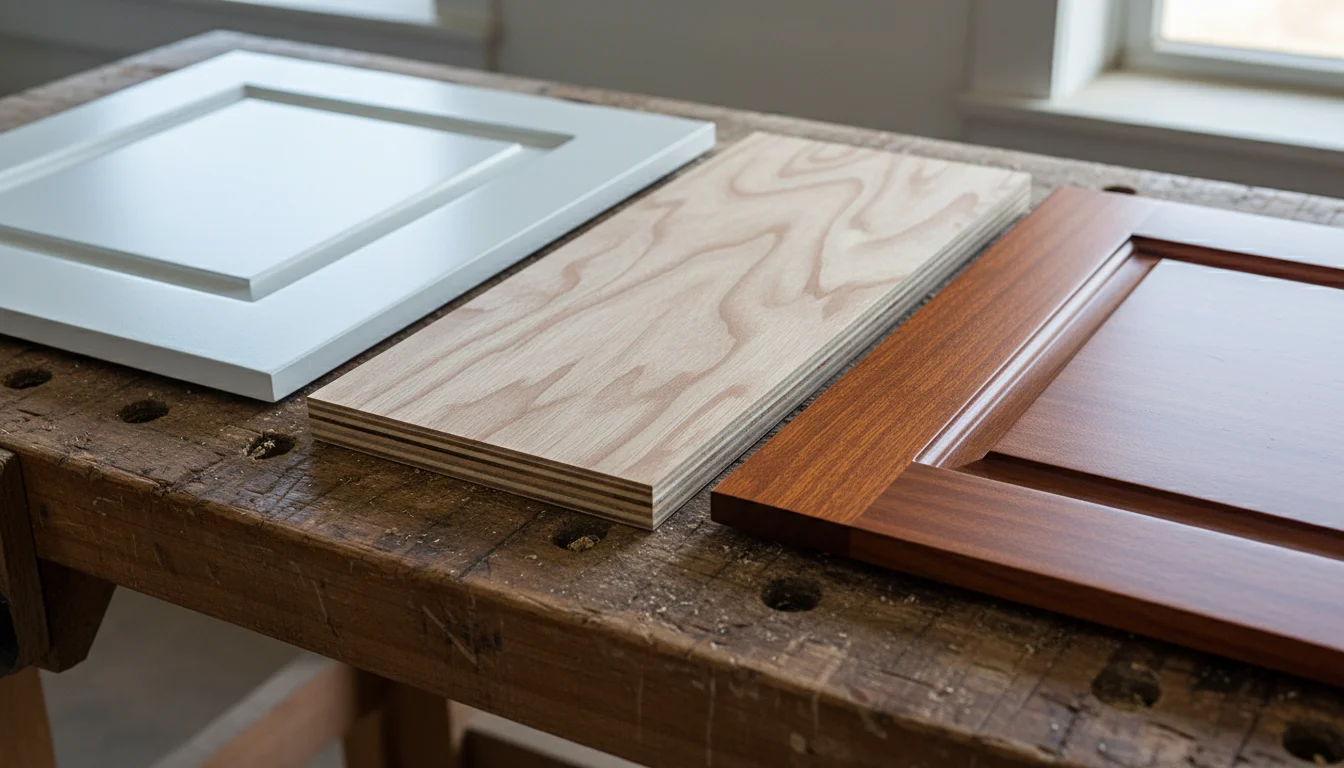
- Material selection - Choosing stone, wood, metal, and composite materials that can survive freeze-thaw cycles, coastal humidity, and New England's UV exposure
- Construction and project management - Coordinating excavation, masonry, electrical, plumbing, and carpentry trades under one timeline
- Final inspection and warranty - Making sure everything passes inspection and functions the way it was promised
| Service | What's Included | Typical Timeline |
| Motorized pergola | Foundation, posts, louvered roof system, electrical, LED integration | 3-5 weeks |
| Outdoor kitchen | Island construction, appliance installation, countertops, gas/electric hookups | 4-8 weeks |
| Pool house | Foundation, framing, roofing, interior finish, plumbing, electrical | 8-14 weeks |
| Custom patio | Excavation, base prep, stone or paver installation, drainage | 2-4 weeks |
| Fire feature | Gas line, stone or block construction, ignition system, seating integration | 2-4 weeks |
Motorized Pergolas: The Structure That Changed Outdoor Living on the North Shore
A motorized louvered pergola gives you a weatherproof outdoor ceiling you can open, close, or angle with a remote control. It's the single feature that extends your usable outdoor season the most in Massachusetts, turning a three-season space into something closer to four.
If you've talked to anyone who's had an automated pergola installed in Massachusetts, they'll tell you the same thing: they use their backyard twice as much as they did before. And that's not an exaggeration. When you can close the louvers during a surprise rain shower without getting up from your chair, the calculus changes. You stop checking the weather app before deciding to eat outside.
We install louvered roof systems with aluminum frames rated for the snow loads we get here on the North Shore. That's important. A lot of the pergola companies advertising online are shipping products designed for southern climates. They look identical in photos, but they won't hold up when you get two feet of wet snow in a nor'easter. We spec systems that meet local engineering requirements, period.
What Makes a Louvered Pergola Different from a Traditional Pergola
Traditional wood pergolas are beautiful. We build those too. But they're open structures - they give you filtered shade and visual definition, nothing more. A louvered pergola has adjustable aluminum blades that rotate from fully open to fully closed. Closed, it's a waterproof roof. Open, it lets in full sun and breeze. Angled, it gives you partial shade while maintaining airflow.
Most systems we install include integrated LED strip lighting, built-in gutters that channel rainwater through the posts, and wireless or app-based controls. Some homeowners tie them into their home automation systems so the louvers close automatically when the rain sensor triggers.
| Feature | Traditional Wood Pergola | Motorized Louvered Pergola |
| Rain protection | None | Full waterproof closure |
| Snow load rating | Varies by wood species | Engineered for local loads |
| Shade control | Fixed (partial) | Adjustable 0-135 degrees |
| Lighting | Added separately | Integrated LED options |
| Maintenance | Staining/sealing every 2-3 years | Minimal - aluminum frame |
| Lifespan | 15-25 years with maintenance | 25+ years |
Outdoor Kitchens Built for New England (Not Just a Grill on a Cart)
A proper outdoor kitchen includes built-in appliances, weatherproof cabinetry, durable countertops, and utility connections - all constructed on a foundation that won't shift during Massachusetts freeze-thaw cycles. It's the difference between cooking outside and having an outdoor room dedicated to it.
Here's the thing about outdoor kitchens on the North Shore: everybody wants one, but not everybody understands what "built for New England" actually means. A stainless steel grill island that works perfectly in Scottsdale will crack, shift, and corrode within three winters up here if the foundation, drainage, and materials aren't specified correctly.
We build our outdoor kitchen islands on proper footings below the frost line. That's non-negotiable in Massachusetts, where frost depth runs 48 inches in most towns. The base construction is typically concrete block with natural stone veneer, and we use granite or engineered stone countertops that can handle temperature swings from negative ten to ninety-five degrees without cracking.
Kitchen Layout Matters More Than Appliance Brand
Something we tell every client: how you lay out the kitchen is more important than which grill you choose. The placement of your grill relative to your prep counter, your sink relative to your dining area, your refrigerator relative to the traffic flow - those decisions determine whether you'll actually enjoy cooking outside or spend the whole time walking back and forth.
We design outdoor kitchens around zones, just as an indoor kitchen works. You need a hot zone (grill, burners, pizza oven), a cold zone (refrigerator, ice), a prep zone (counter space, sink), and a serving zone (bar counter or pass-through to the dining area). When those zones flow logically, the space works. When they don't, you end up carrying hot platters six feet to set them down, and that gets old fast.
- L-shaped layouts work well against a house wall or property line, giving you two distinct work zones
- U-shaped layouts create an efficient enclosed workspace, but need more square footage
- Linear layouts are the most budget-friendly and fit well under a pergola
- Island layouts positioned away from the house let the cook face the yard and monitor the pool - a real consideration for families with kids
Pool Houses and Custom Structures: The Features That Tie Everything Together
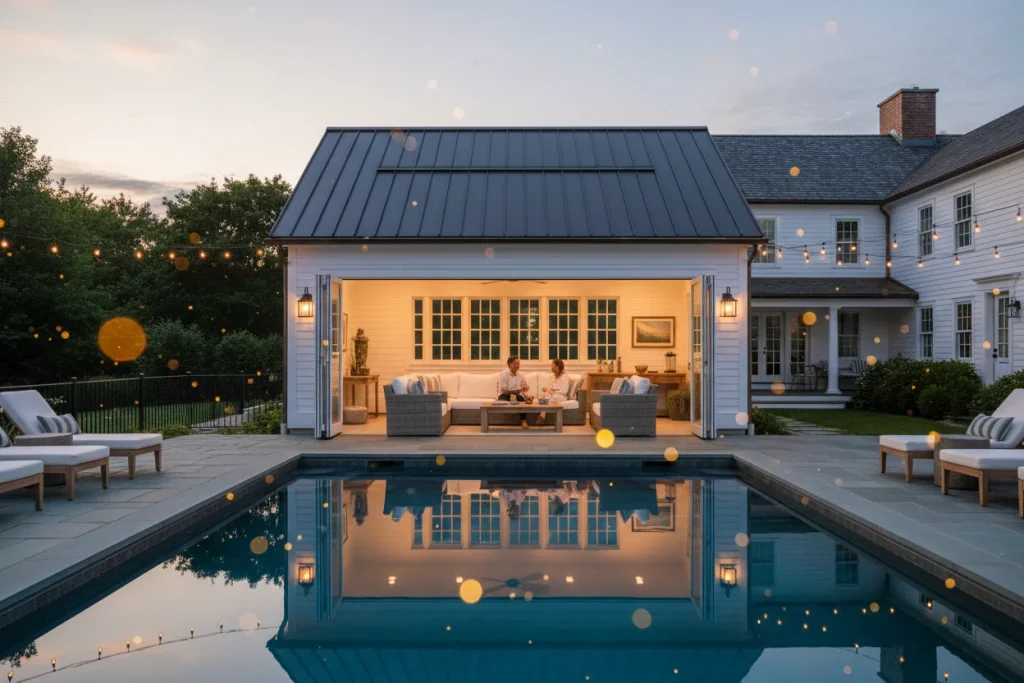
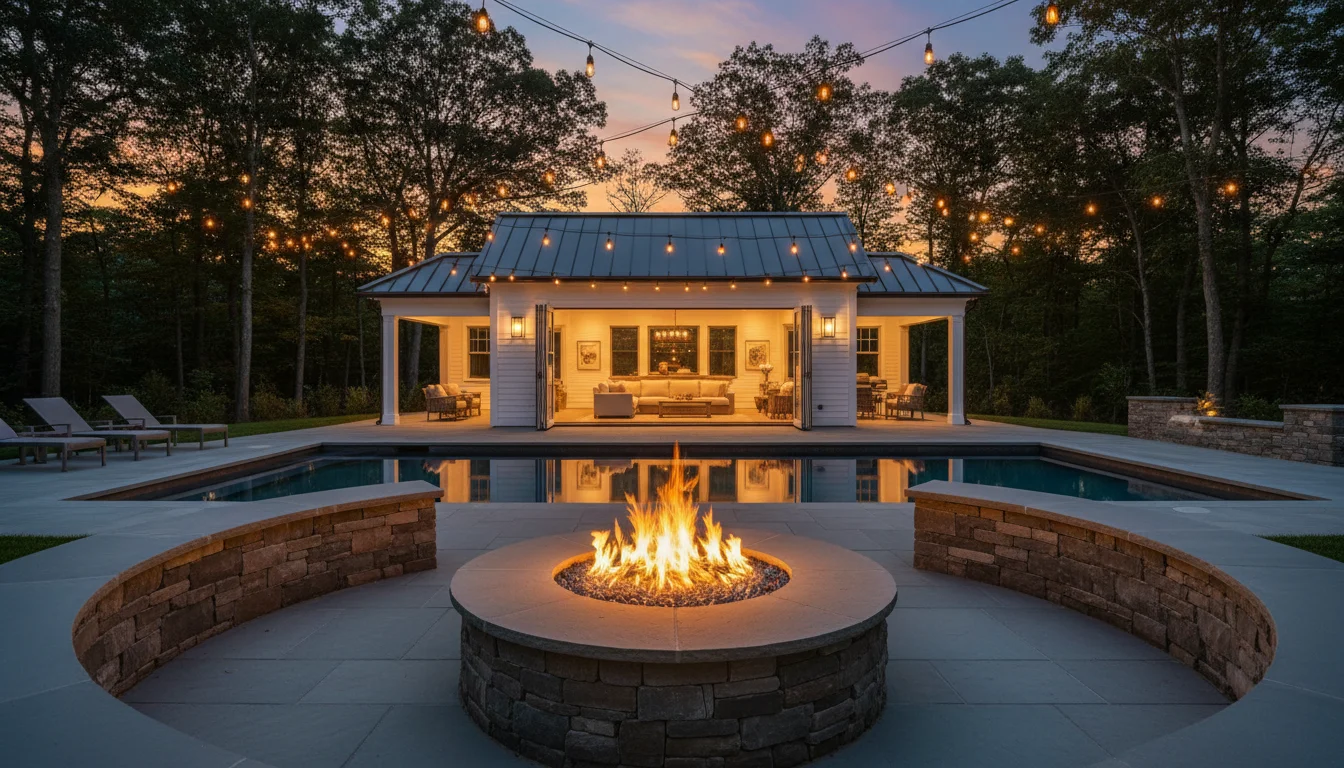
A pool house is more than a changing room. Built correctly, it anchors your entire outdoor living area by providing covered entertaining space, storage, a bathroom, and even a small kitchen - essentially an outdoor extension of your home.
We build pool houses ranging from simple changing rooms with an outdoor shower to fully finished structures with bathrooms, wet bars, climate control, and folding glass-door systems that open the interior to the pool deck. The scope depends on how you plan to use it and what your town's zoning allows.
Here's something most homeowners don't realize until they're deep into planning: pool house construction in Massachusetts often requires a separate building permit, and some towns classify structures over a certain square footage as accessory dwelling units, which triggers additional zoning review. We handle all of that permitting legwork as part of our design-build process, but it's worth knowing upfront because it affects the timeline.
What About Custom Structures Beyond Pool Houses?
Not every backyard project fits into a neat category. We've built covered patios with retractable screens, freestanding bar structures, garden sheds that double as potting stations, and hybrid spaces that combine storage with entertainment areas. The common thread is that each one was designed for the specific property, family, and way they wanted to use their yard.
Custom outdoor living spaces on the North Shore tend to center around a few core activities: cooking and dining, lounging and conversation, swimming and recreation, and fire and warmth. Most projects we design incorporate at least two of those zones, connected by thoughtful hardscaping and landscaping that makes the whole yard feel intentional rather than piecemeal.
| Structure Type | Best For | Permit Required? | Year-Round Use? |
| Pool house (under 200 sq ft) | Changing, storage, outdoor shower | Usually yes | Seasonal |
| Pool house (200+ sq ft with plumbing) | Full bathroom, wet bar, lounge | Yes - may trigger zoning review | Yes with HVAC |
| Covered patio with screens | Dining, lounging, bug-free evenings | Depends on town | 3-season |
| Freestanding bar/kitchen structure | Entertaining, cooking | Yes | Seasonal to 3-season |
| Garden structure/shed | Storage, hobby space, potting | Varies by size | Yes |
How to Choose the Right Outdoor Living Contractor in Massachusetts
The right outdoor living contractor should be a licensed Massachusetts home improvement contractor, carry proper insurance, show you completed local projects, and handle both design and construction in-house. Avoid anyone who can't pull their own permits or who subs out the design to a third party.
We'll be honest - this is a section we wish we didn't have to write. But we see the aftermath of bad contractor decisions regularly enough that it's worth covering. Outdoor contractor vetting isn't complicated, but most homeowners skip critical steps because they get excited about the project and want to get started.
The Non-Negotiable Checklist
Before you sign anything with any outdoor living contractor in Massachusetts, verify these:
- Massachusetts HIC registration - Every contractor doing home improvement work needs to be registered with the state. No exceptions. Ask for the registration number and verify it online.
- General liability and workers' comp insurance - Ask for current certificates. Call the insurance company to confirm they're active. If a worker gets hurt on your property and the contractor doesn't carry workers' comp, that liability could fall on your homeowner's policy.
- Portfolio of local completed work - Not renders. Not stock photos. Actual finished projects in your area, ideally ones you can drive by or visit. Materials age differently in different climates, and a portfolio full of Florida projects tells you nothing about how their work holds up in Massachusetts.
- In-house design capability: A contractor who subcontracts design to a separate firm isn't truly design-build. You want the people who draw your plans to be the same people who build your project.
- Written contract with scope, timeline, and payment schedule - This sounds obvious, but we've talked to homeowners who started five-figure projects on a handshake. Don't be that person.
The difference between a backyard renovation that adds real value to your home and one that becomes a cautionary tale almost always comes down to who built it. A design-build home contractor who specializes in outdoor work will anticipate problems that a general contractor might miss - things like how frost heave affects stone patios, how wind patterns change when you add a structure, or how your town's setback requirements affect where you can build.
Key Takeaways
- CabStone is a design-build outdoor living contractor based in Middleton, MA, handling everything from design through construction under one contract
- Motorized louvered pergolas extend your season by giving you a weatherproof, adjustable ceiling rated for New England snow loads
- Outdoor kitchens need proper foundations below the 48-inch frost line to survive Massachusetts freeze-thaw cycles without shifting
- Pool houses add functional square footage that serves as a changing room, storage hub, and entertaining space year-round
- Material selection is climate-specific - what works in the South won't hold up through a North Shore winter
- Permitting and code compliance aren't optional - outdoor structures in MA must meet the State Building Code and local bylaws
Frequently Asked Questions
Do I need a permit for an outdoor kitchen in Massachusetts?
In most Massachusetts towns, yes. Any structure with gas, electrical, or plumbing connections typically requires a building permit. Your contractor should handle the permit application and inspections as part of the project.
How long does it take to build an outdoor living space on the North Shore?
Timeline depends on scope. A standalone pergola installation runs three to five weeks. A full outdoor living space with kitchen, pergola, and hardscaping typically takes eight to fourteen weeks from groundbreaking to completion.
Can I use my motorized pergola in winter?
Yes, with limitations. The louvered roof handles snow loads when closed, but we recommend clearing heavy accumulation promptly. The structure itself is engineered for Massachusetts winters and doesn't need to be disassembled seasonally.
What's the best countertop material for an outdoor kitchen in New England?
Granite and engineered quartz designed for outdoor use handle freeze-thaw cycles best. We avoid marble outdoors because it stains and etches more easily, and some engineered stones aren't rated for temperature extremes.
How deep do footings need to be for outdoor structures in Massachusetts?
Frost depth in most Massachusetts towns is 48 inches. Any permanent outdoor structure - kitchen islands, pergola posts, pool house foundations - needs footings below that depth to prevent frost heave.
Do motorized pergolas need electrical wiring?
Yes. Louvered pergola systems require a dedicated electrical circuit for the motor and typically include integrated LED lighting. We coordinate the electrical work as part of the installation.
Can you build an outdoor kitchen away from the house?
Absolutely. Freestanding kitchen islands positioned in the yard let the cook face the pool or play area, which is a smart layout for families. It does require running gas and electrical lines underground, which adds to the project scope.
What materials hold up best for outdoor living in coastal Massachusetts?
Aluminum, marine-grade stainless steel, natural stone, and composite decking all perform well in our salt air and humidity. Cedar and mahogany work for pergolas and trim but need regular sealing. We avoid untreated pine and mild steel outdoors.
Will an outdoor living space increase my home's value?
Research consistently suggests that well-designed outdoor living spaces can recoup a significant portion of their investment at resale. Finished outdoor rooms with kitchens and covered structures tend to perform better than basic patios or decks.
What's the difference between a pergola and a pavilion?
A pergola has an open or louvered roof structure with posts and beams. A pavilion has a solid, fully enclosed roof. Pavilions provide complete weather protection but block sunlight. Pergolas, especially louvered ones, give you adjustable options between full sun and full cover.
Conclusion
Your backyard has more potential than you think, and the short New England building season means the best time to start planning is before the ground thaws. Whether you're imagining a motorized pergola over your patio, a full outdoor kitchen for summer entertaining, or a pool house that anchors your whole backyard, the process starts with a conversation about your property, your family, and how you want to live outside.
CabStone handles outdoor living projects across the North Shore and greater Boston area from our Middleton shop. If you're ready to talk about what's possible in your backyard, call us at 617-699-3945 or stop by 325A North Main Street, Middleton, MA 01949.