How to Pick Moisture-Resistant Cabinets for Bathrooms
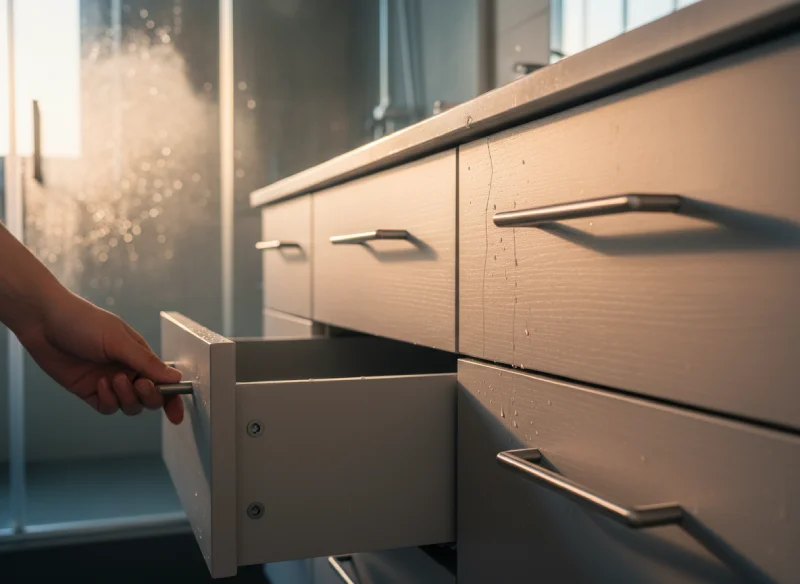
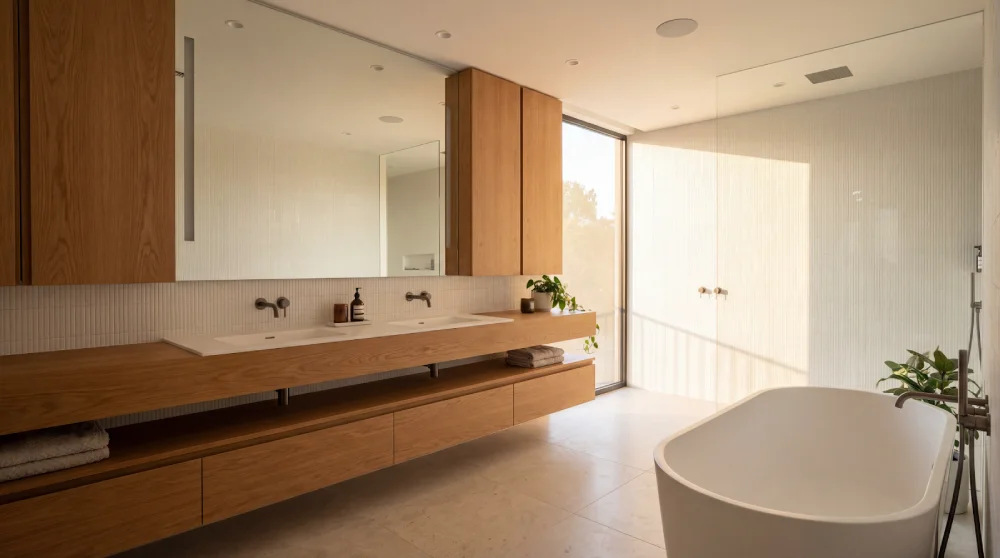
Moisture-resistant bathroom cabinets are designed with waterproof materials, sealed finishes, and corrosion-proof hardware to withstand steam, splashes, and humidity over time.
Choosing the right bathroom cabinets isn’t just about looks — it’s about longevity, especially with expert custom cabinet installation to seal out moisture from the start. Because bathrooms are high-humidity zones, cabinets face constant exposure to moisture, steam, and cleaning products. Without proper resistance, materials can warp, swell, or mold, shortening cabinet life and harming indoor air quality.
In this guide, you’ll learn which materials, finishes, and construction details make the best moisture-resistant cabinets, plus expert tips on installation, maintenance, and when to replace them.
Key Takeaways
- Use marine plywood, teak, PVC, or moisture-rated MDF with sealed edges for long-lasting bathroom cabinets.
- Choose factory-applied waterproof coatings or acrylic/lacquer finishes for superior moisture protection.
- Install stainless steel or brass hardware to prevent corrosion in humid conditions.
- Ensure proper ventilation, caulking, and edge banding to keep cabinets sealed tight.
- Maintain cabinets regularly with weekly wipe-downs, humidity control, and timely resealing.
Why Moisture Resistance Matters in Bathroom Cabinets
Bathrooms are exposed to steam, splashes, and humidity daily. Without protection, cabinets can swell, delaminate, and develop mold. Moisture also breaks down adhesives and corrodes hardware.
Investing in moisture-resistant construction not only keeps your bathroom looking great but also prevents costly repairs and ensures a healthier indoor environment.
For a deeper dive into humidity control in wood materials, see guidance from the National Wood Flooring Association — many of the same moisture principles apply to cabinetry.
Best Cabinet Materials for Humid Environments
Top Moisture-Resistant Materials
| Material | Key Benefits | Ideal For |
| Teak/Cedar | Naturally water-resistant, warm appearance | High-end bathrooms |
| Marine Plywood | Strong, stable, resists delamination | Vanities and sink bases |
| PVC / Polymer | 100% waterproof, zero maintenance | Guest or kids’ bathrooms |
| Moisture-Rated MDF | Smooth, paint-ready, affordable | Painted modern styles |
Tip: Any experienced cabinet maker will tell you to avoid particleboard or unsealed MDF. They absorb water easily and swell beyond repair.
Finishes and Coatings That Prevent Water Damage
Waterproof Paints and Lacquers
Use marine-grade acrylics or catalyzed lacquers that form a hard, impermeable layer. Apply multiple thin coats, allowing full cure between each. Avoid low-quality latex paints, which can peel under steam exposure.
Edge Banding and Seals
Seal all edges — especially cut MDF or plywood — using PVC or ABS edge banding. Finish corners and seams with flexible silicone caulk. Annual re-caulking prevents leaks into cabinet joints.
Construction Details That Improve Durability
Choose construction that’s built to resist humidity long-term:
| Durable Choice | Avoid These |
| Solid-core doors | Hollow-core doors |
| Plywood boxes | Particleboard boxes |
| Glued & doweled joints | Stapled-only joints |
| Full back panels | Open or cutout backs |
Factory moisture-sealed interiors and high-quality joinery extend cabinet lifespan dramatically. Always ask for cutaway samples before ordering.
Hardware and Ventilation Options
Corrosion-Resistant Hardware
Pick hardware made from 316-grade stainless steel or solid brass with protective finishes. Avoid cheap plated metals — they corrode quickly in humid air. Keep hinges lubricated and dry after cleaning.
Ventilation Placement
Install an exhaust fan above showers and near vanities. Proper vanity cabinet installation includes adding passive vents or small fans in enclosed spaces. Use louvered doors or passive vents for linen or utility cabinets. Proper airflow helps prevent trapped humidity behind cabinet backs.
Countertops and Sinks That Protect Cabinets
Opt for nonporous countertops like quartz or solid surface, paired with undermount or integrated sinks. Always:
- Seal seams with waterproof silicone
- Add a 4" backsplash
- Avoid wood sink surrounds or exposed seams
These measures redirect water away from cabinet edges and keep moisture from penetrating the structure.
Installation Tips to Reduce Moisture Exposure
- For professional cabinet installation results, seal all joints and corners with silicone or waterproof caulk.
- Leave ventilation gaps behind and beneath cabinets.
- Use rust-resistant fasteners and adjustable feet to elevate cabinets slightly above floors.
- Protect exposed bottoms with drip edges or PVC liners.
Proper cabinet installation ensures your moisture-resistant materials actually perform as intended.
Maintenance to Extend Cabinet Life
Weekly Wipe-Down
Clean cabinets with a soft microfiber cloth and mild cleaner. Remove buildup on edges and around hardware. Always dry surfaces immediately.
Control Bathroom Humidity
Run exhaust fans for 20 minutes post-shower and maintain humidity near 45–50%. Use a dehumidifier if necessary in small or windowless bathrooms.
Reseal or Refinish Every Few Years
Reapply waterproof finishes every 2–3 years, especially around sinks and splash zones. Choose low-VOC polyurethane or marine varnish for best results.
When to Replace Bathroom Cabinets
Replace your bathroom cabinets if you notice:
- Persistent musty odors or mold
- Warping or peeling veneer
- Swollen corners or soft substrate
- Loose or corroded hardware
- Recurring finish damage despite maintenance
Once moisture breaches the core material, replacement is often more cost-effective than repair.
Budgeting and Where to Buy Moisture-Resistant Cabinets
Expect these average price ranges:
| Type | Price Range | Notes |
| PVC / Polymer | $300–$800 | 100% waterproof, budget-friendly |
| Marine Plywood | $800–$1,500 | Durable and traditional |
| Solid Wood (Sealed) | $1,500–$3,000+ | Premium aesthetic, more maintenance |
Shop from specialty cabinet suppliers or reputable big-box retailers offering moisture-rated lines. Look for clear specifications like CARB Phase 2 or E1 moisture certification.
Conclusion
Choosing moisture-resistant bathroom cabinets means combining the right materials, finishes, and installation practices to fight humidity head-on. From marine plywood to PVC cabinetry, your goal is to keep water out and style intact.
Pair quality materials with good ventilation and maintenance, and your cabinets can look new for over a decade.
Ready to upgrade? Work with a trusted cabinetry and flooring contractor to explore bathroom cabinetry designed specifically for New England homes where humidity meets high design.
Frequently Asked Questions
What are the most waterproof materials for bathroom cabinets?
PVC and marine plywood offer the highest moisture resistance, while sealed teak and moisture-rated MDF provide balanced durability and aesthetics.
Can MDF be used safely in bathrooms?
Yes — if it’s moisture-rated MDF with sealed edges and waterproof paint or laminate, it performs well in moderate humidity.
How often should I reseal bathroom cabinets?
Every 2–3 years, or sooner if you see dullness, cracking, or exposed substrate near the sink or tub.
Are solid wood cabinets okay for bathrooms?
Yes, but they must be sealed on all sides and kept ventilated. Teak and cedar are best natural wood options for humid spaces.
What’s the best way to prevent mold in cabinets?
Ensure good airflow, seal joints, and wipe moisture daily. Add passive vents or small fans in enclosed vanity spaces.
Can I mix materials — like MDF doors with plywood boxes?
Definitely. This hybrid approach offers a great balance of cost efficiency and moisture protection.
Do I need special hardware for humid environments?
Yes — use stainless steel, brass, or PVD-coated hardware to avoid rust, discoloration, and seizing over time.
When should I replace a cabinet instead of refinishing it?
If you notice warping, soft spots, or odor from mold, replacement is safer and longer-lasting than repair.
Is laminate a good option for moisture-resistant bathroom cabinets?
Laminate can work if it's high-pressure laminate (HPL) over a moisture-resistant core like marine plywood or sealed MDF. Avoid low-cost laminates with exposed particleboard edges.
How can I tell if a cabinet is truly moisture-resistant before buying?
Look for manufacturer specs like "moisture-rated," "marine-grade," or "bathroom-rated." Ask for certifications (like CARB or E1), sealed edge details, and factory-applied waterproof finishes.