Custom Cabinets for Every Room: Kitchen, Bath, Mudroom & Beyond
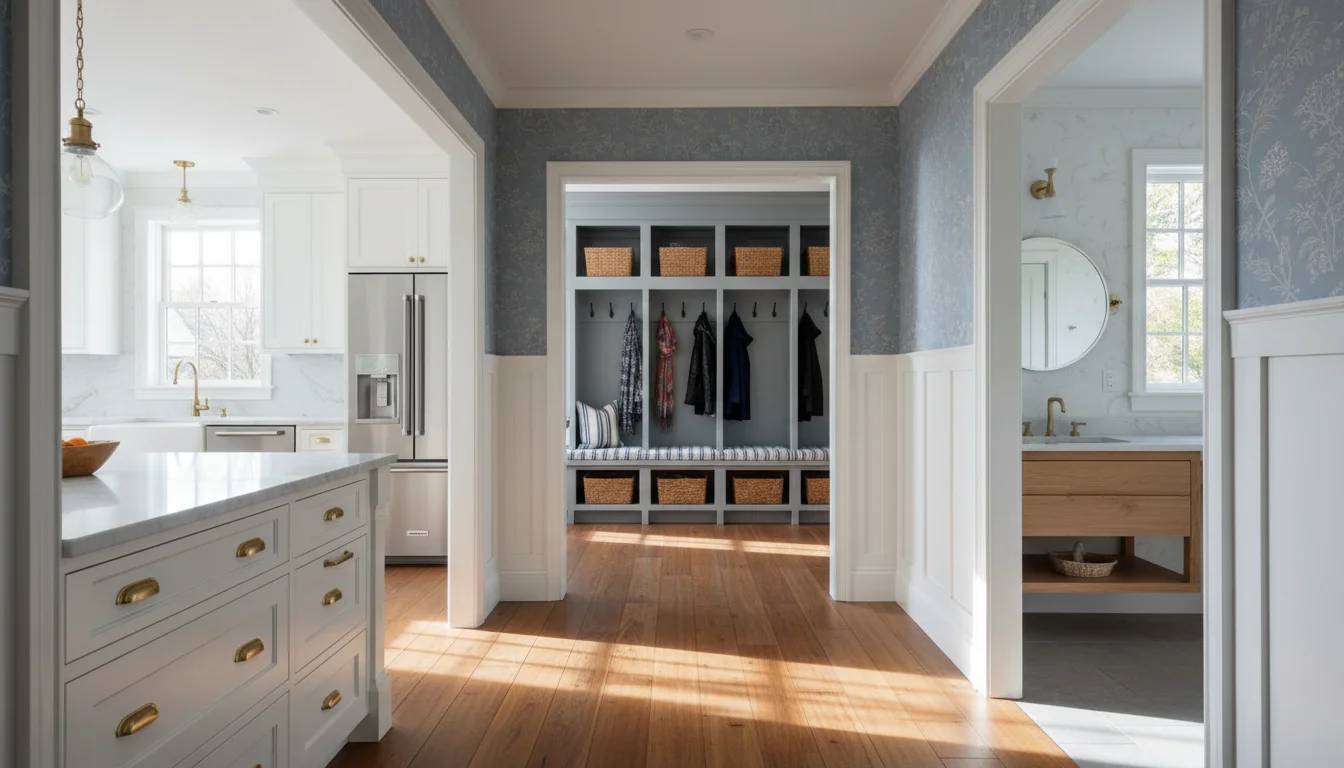
Custom cabinets belong in more than just the kitchen. From bathroom vanities to mudroom lockers to home office built-ins, room-by-room cabinetry turns dead wall space into organized, functional storage that fits your home and your life. If it has a wall, we can probably put a cabinet on it.
Most people call us about kitchens. That makes sense - the kitchen is where cabinetry gets the most attention, and it's usually the biggest investment. But once homeowners walk through our process, something clicks. They start looking at their bathroom, their mudroom, their laundry room, and their home office with new eyes. They realize that the same custom cabinetry that transformed their kitchen could solve storage problems in every room of the house.
We're CabStone, a cabinet maker in Middleton, MA, and we build custom cabinets for the whole home. Not just kitchens. Not just bathrooms. Every room where storage, organization, or built-in functionality can make daily life better for North Shore families.
Why Custom Cabinets Beat Stock and Semi-Custom (In Every Room)
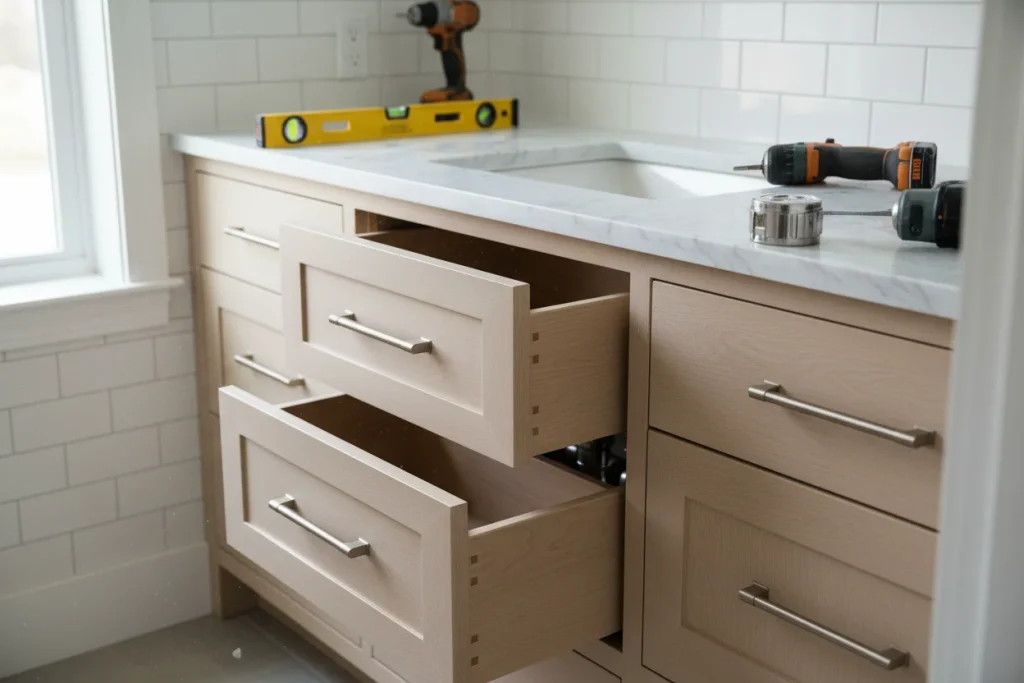
Stock cabinets come in fixed sizes that rarely fit your walls perfectly. Semi-custom lets you adjust dimensions slightly. Fully custom cabinets are built from scratch to your room's exact measurements, your storage needs, and your design preferences - no filler strips, no wasted space, no compromises.
There's a reason most homes end up with awkward gaps between cabinets and walls, or shelves that are too deep for what they hold, or drawers that don't quite close right after a few years. Stock cabinets are mass-produced in standard increments - typically 3-inch width jumps - and your walls don't care about standard increments.
When we build custom cabinets in Massachusetts, every box is sized to the fraction of an inch. A 27-and-three-quarter-inch opening gets a 27-and-three-quarter-inch cabinet. No filler pieces. No compromise on where the hinges land. The evolution of built-in kitchen cabinetry from freestanding furniture to precisely fitted installations is really the story of homeowners demanding that their storage actually work for their space.
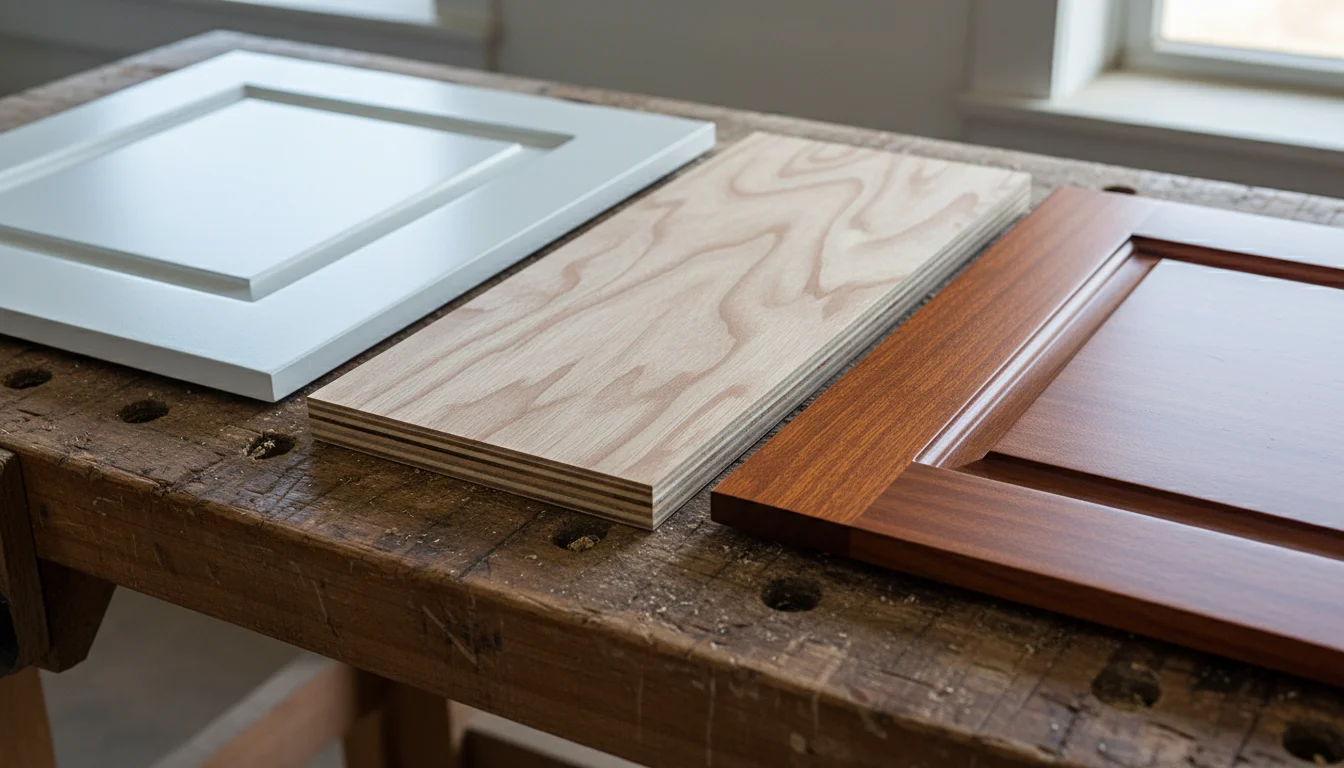
Here's where the material conversation matters too. Stock cabinets are almost always particleboard with a laminate skin. They're fine for a rental. For a home you plan to live in, we build with plywood box construction and solid hardwood or MDF face frames and doors, depending on whether you're painting or staining. Plywood holds screws better, resists moisture longer, and doesn't swell the way particleboard does when it inevitably encounters humidity - which, in a Massachusetts bathroom or mudroom, it will.
| Feature | Stock Cabinets | Semi-Custom | Fully Custom |
| Width increments | 3-inch standard | 1-inch adjustable | Any dimension |
| Box material | Particleboard | Particleboard or plywood | Plywood standard |
| Door styles | 5-10 options | 15-30 options | Unlimited |
| Interior fittings | Basic shelves | Some organizers available | Fully configurable |
| Lead time | Immediate to 2 weeks | 4-8 weeks | 6-12 weeks |
| Filler strips needed | Usually yes | Sometimes | Never |
Kitchen Cabinets: The Foundation of Every Renovation
Kitchen cabinetry accounts for the largest portion of most kitchen renovations and determines how the room looks, functions, and holds up over time. Getting kitchen cabinets right means matching the cabinet construction, door style, and interior fittings to how your family actually cooks and lives.
We won't belabor the kitchen section because we've written extensively about kitchen cabinet design and installation elsewhere. But in a room-by-room guide, the kitchen sets the standard that every other room's cabinetry should reference.
The industry standard dimensions exist for good reasons. Base cabinets sit at 34.5 inches tall with a countertop bringing the work surface to 36 inches. Wall cabinets hang 16 to 18 inches above the counter at 12 inches deep. These measurements grew out of ergonomic research, and they accommodate standard appliances like dishwashers and over-the-range microwaves. You can customize height for taller homeowners or for accessibility needs, but deviation from the norms requires careful planning around appliances.
The NKBA Kitchen Planning Guidelines provide the dimensional framework that professional kitchen designers use, covering everything from clearance between islands and walls to the work triangle flow between sink, stove, and refrigerator.
What Kitchen Cabinets Teach Us About Every Other Room
The principles that make a kitchen work - functional storage, logical zones, durable materials, hardware that survives daily use - apply everywhere. A mudroom needs impact-resistant surfaces just like a kitchen. A bathroom vanity needs moisture-resistant construction just like the cabinets flanking your kitchen sink. When we design cabinets for other rooms, we carry kitchen-grade construction standards with us. That's the CabStone approach.
- Soft-close hinges and drawer slides go in every room, not just the kitchen - slamming drawers are annoying everywhere
- Plywood box construction matters most in bathrooms, mudrooms, and laundry rooms, where moisture is a factor
- Adjustable shelving should be standard in any cabinet that stores items of varying heights
- Full-extension drawer slides let you reach the back of deep drawers, whether it's pots and pans or folded towels
Bathroom Vanities: Small Room, Big Impact
A bathroom vanity does triple duty - it conceals plumbing, provides counter space, and stores everything from towels to toiletries. Custom vanities solve the universal problem of never having enough bathroom storage by fitting every available inch and configuring drawers and shelves around your actual plumbing layout.
The standard bathroom vanity is 34 inches tall and about 20 inches deep - a couple of inches shorter and narrower than a kitchen base cabinet. But "standard" is exactly the problem in most bathrooms. The average North Shore colonial or cape has bathrooms designed in the 1940s or 1960s, with dimensions that don't match any stock vanities you'll find at a big-box store.
A custom vanity built by a local cabinet maker starts with the actual measurements of your bathroom. Corner vanities for tight half-baths. Extended double vanities for master bathrooms. Furniture-style vanities with legs for vintage homes. Wall-mounted floating vanities for modern renovations. Each one is built to the room, not forced into it.
Construction Differences That Matter in a Wet Room
Bathrooms are hostile environments for cabinetry. Steam from showers, splashed water around sinks, humidity that builds up in rooms with poor ventilation - all of it accelerates wear on cabinets. We build bathroom vanities with plywood cases (never particleboard), apply moisture-resistant finishes to all six sides of every panel, and use solid hardwood or MDF components rated for high-humidity environments.
The hardware matters here too. Cheap zinc alloy pulls will corrode and pit within a few years in a bathroom. We install solid brass or stainless steel hardware that holds up to humidity without degrading. It's a small detail that separates custom bathroom cabinet work from stock installations.
| Vanity Type | Best For | Standard Depth | Key Feature |
| Single sink standard | Small to mid-size bathrooms | 20-22 inches | Maximum storage per square foot |
| Double sink extended | Master bathrooms | 20-22 inches | His-and-hers organization |
| Corner vanity | Tight half-baths, powder rooms | Custom angles | Uses otherwise dead corner space |
| Floating wall-mount | Modern renovations | 18-20 inches | Creates visual openness, easier floor cleaning |
| Furniture-style with legs | Period homes, vintage aesthetic | 20-22 inches | Blends with existing home character |
Mudrooms, Laundry Rooms, and the Rooms Nobody Plans For
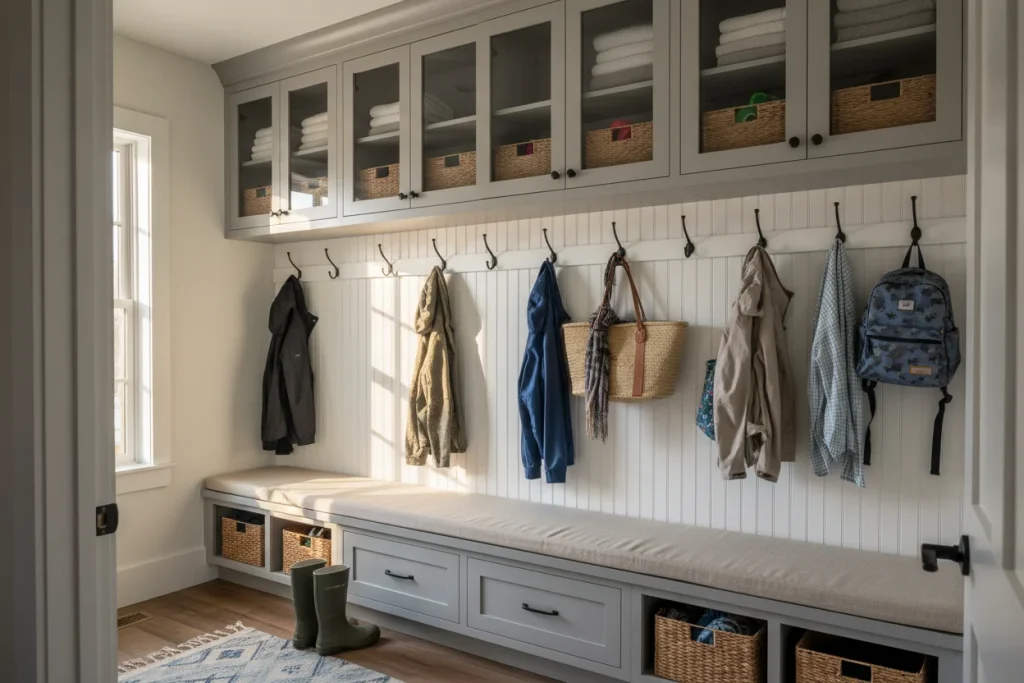
Mudrooms and laundry rooms are the hardest-working spaces in any North Shore home, yet they're almost always an afterthought when it comes to cabinetry. Custom-built-ins with bench seating, coat hooks, boot storage, and upper cabinets transform these chaotic pass-through zones into organized systems.
Here's the honest truth about mudrooms on the North Shore: they take more abuse than any kitchen ever will. Wet snow boots, dripping rain jackets, sand-covered beach gear in summer, muddy soccer cleats in fall. If your "mudroom" is currently a bench from Target and a row of hooks from Home Depot, you know exactly what we're talking about. It works for about two weeks, then it's chaos.
Mudroom built-ins solve this because they're designed around the specific mess your family makes. We build locker-style cubbies sized to each family member, with hooks at the right height for kids and adults. Bench seating with flip-top lids for hidden boot and gear storage. Upper cabinets with solid doors to hide the visual clutter of hats, gloves, and seasonal gear. A dedicated spot for every item means every item actually gets put away.
Laundry Room Cabinetry
Laundry room cabinets follow a similar logic. Upper cabinets above the washer and dryer for detergent, stain removers, and supplies. A countertop spanning the machines for folding. A tall cabinet or closet section for hanging items that come out of the dryer. Maybe a pull-out hamper system built into the lower cabinets so dirty clothes go straight into sorted bins instead of piling up on the floor.
The construction needs are similar to bathroom cabinets - moisture resistance is critical in any room with a water supply and potential for leaks. We use the same plywood construction and sealed finishes in laundry cabinetry that we use in bathrooms.
- Mudroom locker cubbies - one per family member, sized for coats, bags, and shoes, typically 15-18 inches wide per section
- Flip-top bench storage - hidden compartment below the seat cushion for boots, sports equipment, and seasonal gear
- Upper cabinets with solid doors - keeps the visual clutter of hats, gloves, scarves, and sunscreen out of sight
- Laundry folding counter - spans washer and dryer, built at comfortable standing height with cabinet storage underneath
- Pull-out hamper systems - built into lower cabinets for sorting whites, darks, and delicates without floor clutter
Home Office, Living Room & Specialty Built-Ins
Built-in cabinetry transforms home offices from furniture-catalog-random to architecturally integrated, and it does the same for living rooms, dining rooms, and any space where storage and display need to coexist. The concept that works in the kitchen - modular boxes, face frames, adjustable shelves - works beautifully in every room of the house.
The work-from-home shift didn't just change where people work. It changed what they expect from their homes. A folding table in the guest room isn't a home office. A wall of built-in cabinetry with an integrated desk surface, file drawers, printer cabinet, and bookshelves - that's a home office. And unlike furniture you'd buy off the floor, built-ins use every inch of wall space from floor to ceiling.
We've built home office built-ins for attorneys who needed floor-to-ceiling legal file storage, for architects who needed wide flat-file drawers, and for remote workers who simply wanted their laptop, monitor, and reference books organized in a way that didn't make their living room look like a dorm room.
Living Room Built-Ins and Entertainment Centers
Living room built-in cabinetry is where function meets display. Bookshelves flanking a fireplace. An entertainment center that hides wires and components behind closed doors while showcasing family photos and collected objects on open shelves. Window seats with storage below and reading nooks above. These aren't catalog pieces - they're designed to the architectural proportions of your specific room.
The construction principle is the same as every other room: plywood boxes, face frames that match your home's trim profile, and detailing that makes the cabinets look like they were part of the original house. Crown molding that matches your existing trim. Baseboard that wraps seamlessly from wall to cabinet. The goal is custom millwork that looks like it's always been there.
| Room | Popular Built-In Applications | Key Design Consideration |
| Home office | Desk, file drawers, bookshelves, printer cabinet | Wire management and outlet placement |
| Living room | Fireplace surround, entertainment center, window seat | Matching existing architectural trim |
| Dining room | China cabinet, buffet, wine storage | Glass-front doors for display pieces |
| Bedroom | Closet systems, headboard wall, window seat | Soft-close everything for quiet operation |
| Garage | Workbench, tool storage, sports equipment organizers | Durable finishes, impact-resistant construction |
Key Takeaways
- Custom cabinets aren't just for kitchens - every room in your home benefits from storage designed to its exact dimensions and your actual needs
- Material selection drives longevity - plywood beats particleboard everywhere, and it's essential in moisture-prone rooms like bathrooms and mudrooms
- Standard cabinet sizes rarely fit real rooms - custom eliminates filler strips, dead space, and the compromises that come with stock cabinetry
- Mudrooms and laundry rooms are the most underserved rooms - purpose-built cabinetry turns these high-traffic spaces from dumping grounds into organized systems
- Home office built-ins add function and value - a wall of cabinetry with integrated desk and file storage beats any Ikea bookcase arrangement
- Kitchen construction standards should apply everywhere - soft-close hardware, full-extension slides, and adjustable shelving belong in every room
Frequently Asked Questions
Can custom cabinets be built for any room in the house?
Yes. Any room with wall space can benefit from custom cabinetry. Kitchens, bathrooms, mudrooms, laundry rooms, home offices, living rooms, bedrooms, dining rooms, and even garages are all candidates for built-in cabinet solutions.
What materials does CabStone use for custom cabinets?
We build cabinet boxes from plywood and use solid hardwood or MDF for face frames and doors depending on the finish. MDF is our go-to for painted finishes because it stays smooth and doesn't show grain telegraphing. Hardwood gets used when a stained, natural wood look is the goal.
How long does it take to get custom cabinets made and installed?
Custom cabinetry typically takes six to twelve weeks from final design approval to installation. The timeline depends on the scope of the project, material availability, and finish complexity. A single vanity is faster. A whole-home cabinet package takes longer.
Are custom cabinets worth the investment over stock?
For a home you plan to live in long-term, yes. Custom cabinets fit your space precisely, use better materials, and include hardware and construction details that stock cabinets skip. They also tend to last significantly longer without the swelling, sagging, and hardware failures common in particleboard stock units.
What's the difference between MDF and plywood for cabinet construction?
Plywood is layered wood veneers that's strong, moisture-resistant, and holds screws well. MDF is compressed wood fiber that provides a perfectly smooth surface for painting. We use plywood for cabinet boxes and MDF for doors and panels that will be painted. For stained cabinets, we use solid hardwood components instead of MDF.
Do mudroom cabinets need to be waterproof?
Not waterproof, but moisture-resistant. Mudrooms see wet boots, damp coats, and tracked-in snow. We build mudroom cabinetry with the same plywood construction and sealed finishes we use in bathrooms to handle that moisture exposure.
Can you match new cabinets to existing cabinetry in my home?
In most cases, yes. We can match wood species, stain colors, door profiles, and hardware to create a cohesive look between new and existing cabinetry. An exact match depends on the age and availability of the original materials, but we get very close.
What's the standard height for a bathroom vanity?
Standard bathroom vanity height is about 34 inches to the countertop, which is slightly lower than a kitchen counter. Comfort height vanities at 36 inches are increasingly popular and match kitchen counter height, which many homeowners find more comfortable.
Do you build garage cabinets?
Yes. Garage cabinetry uses the same construction principles but with more durable finishes and impact-resistant materials. We build workbench stations, tool storage walls, and sports equipment organizers designed to handle the rougher treatment a garage environment demands.
How do I start a custom cabinet project with CabStone?
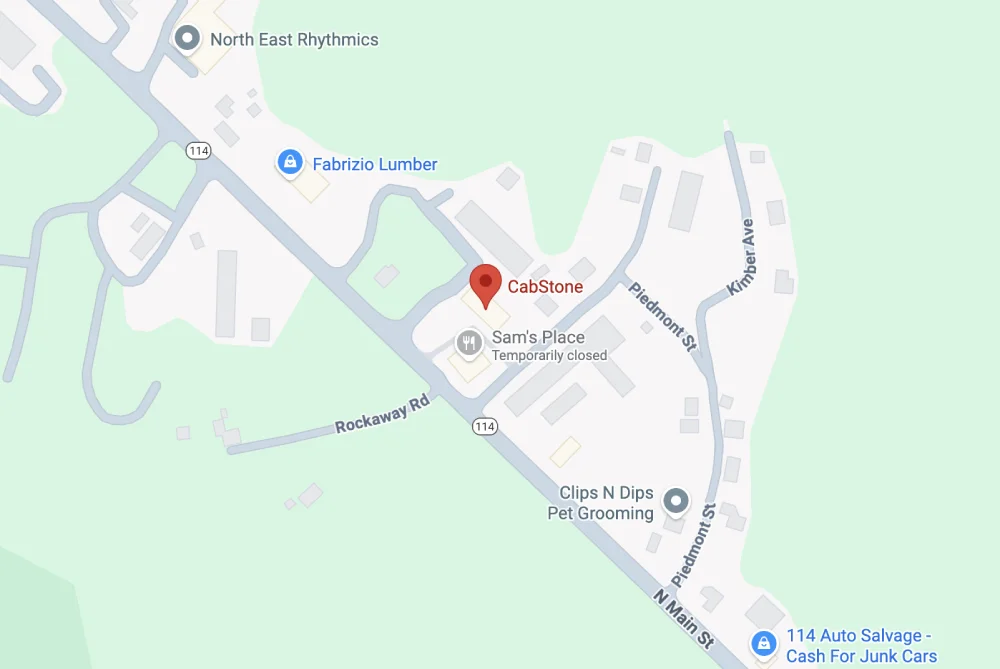
Call us at 617-699-3945 or visit our shop at 325A North Main Street in Middleton. We start with a site visit to measure your space, discuss your needs, review material and style options, and provide a detailed proposal. No commitment required for the initial consultation.
Conclusion
The homes that feel the most put-together on the North Shore aren't necessarily the most expensive. They're the ones where every room has storage that was designed for that room - not forced into it from a catalog. Custom cabinets, whether it's a kitchen full of shaker doors or a mudroom with locker cubbies for the kids, give your home the kind of organization and polish that stock solutions simply can't match.CabStone builds custom cabinets for every room across the North Shore and greater Boston area. If you're ready to talk about what your home needs - one room or the whole house - call us at 617-699-3945 or visit us at 325A North Main Street, Middleton, MA 01949.