CabStone Main Logo

Kitchen cabinets in 2025 emphasize earthy color palettes, mixed materials, handleless innovations, and sustainable construction that balances contemporary aesthetics with long-term functionality and environmental responsibility.

If you're planning a kitchen remodel this year, the cabinet choices you make will define your space for the next two decades. As contractors who spec and install cabinets weekly, we're seeing a clear shift away from stark white kitchens toward warmer, more textured designs that feel both modern and lived-in.

The trends we're tracking aren't just about aesthetics—they reflect how homeowners actually use their kitchens. Two-tone designs add visual interest without overwhelming smaller spaces. Handleless cabinets create seamless looks while being easier to clean. Sustainable materials deliver durability that justifies the investment.

This guide breaks down what's actually gaining traction in 2025, helping you make decisions that work with your lifestyle and budget.

Key Takeaways

Bold Earthy Color Palettes Replace Stark White

The all-white kitchen trend that dominated the last decade is giving way to warmer, more grounded color schemes. Terracotta, deep olive, warm mahogany, and slate gray create focal points that feel sophisticated without being trendy.

These earth-inspired tones work because they're psychologically grounding—they make kitchens feel like gathering spaces rather than showrooms. Homeowners report that earthy cabinets create comfort and stability that white kitchens can't match.

Flexible Implementation Options

You don't need to commit to a full cabinet replacement to incorporate this trend. Accent pieces in burnt sienna or cocoa tones can anchor a space when paired with neutral surroundings. Hardware updates in complementary brass or aged bronze reinforce the earthy aesthetic at a fraction of the refinishing investment.

Earth-inspired color palettes adapt to changing lighting conditions throughout the day, maintaining visual appeal from morning coffee to evening meal prep. This versatility helps protect against trend fatigue while supporting design evolution as your tastes change.

Mixed Materials Add Depth and Character

Gone are the days when kitchen cabinets needed to match perfectly. Mixed material combinations—natural wood paired with metallic hardware, matte finishes alongside glossy accents—create visual depth that uniform cabinetry can't achieve.

This trend moves beyond simple color variation. Textured wood grains contrast with sleek contemporary surfaces. Brass and copper hardware warm up cooler chrome finishes. The layering creates dimension that makes kitchens feel curated rather than catalog-ordered.

Sustainable Material Integration

Incorporating reclaimed wood or eco-friendly composites into mixed material designs addresses environmental concerns while adding authentic character. These materials bring history and texture that new components lack, supporting both aesthetic and sustainability goals in a single design choice.

Material CombinationVisual EffectBest Application
Wood + Metallic HardwareWarm traditional meets modernFull kitchen, focal island
Matte + Glossy FinishesSubtle contrast, sophisticatedUpper vs. lower cabinets
Textured + Smooth SurfacesTactile interest, artisanal feelFeature walls, islands
Reclaimed Wood + New MaterialsHistoric character, eco-consciousAccent pieces, shelving

Enhanced Shaker Styles with Textured Surfaces

Traditional shaker cabinets aren't disappearing—they're evolving. Slim shaker doors with narrower frames create cleaner lines that suit contemporary spaces, particularly in smaller kitchens and walk-in pantries where visual simplicity matters.

What's new is the addition of textured surfaces. Fluted and reeded patterns add vertical dimension and handcrafted appeal that flat panels lack. These details transform standard cabinets into furniture-like statement pieces.

Profiled Doors and Decorative Details

Nuanced profiling with decorative beading and custom grooves creates personalized aesthetics that move beyond builder-grade options. When paired with modern hardware and mixed metals, these dimensional elements deliver layered visual interest.

Natural wood finishes with textured grain patterns enhance the artisanal quality of elevated shaker designs. This combination of traditional craftsmanship and contemporary sensibility dominates high-end custom remodels where homeowners want timeless sophistication without dated styling.

Two-Tone Designs Create Visual Balance

Two-tone kitchens remain one of the strongest trends for 2025, combining bold design with practical benefits. Dark lower cabinets paired with white or light uppers deliver the most popular configuration—and for good reason.

The darker base conceals wear and tear in high-traffic areas where spills and scuffs accumulate. Lighter upper cabinets keep the space feeling open and prevent the kitchen from becoming visually heavy. This isn't just aesthetics—it's functional design.

Popular Color Combinations

Contrasting textures amplify two-tone designs further. Smooth painted uppers paired with fluted or reeded lowers add dimensional interest that single-finish cabinets can't achieve.

Handleless Innovations for Seamless Aesthetics

Handleless cabinetry eliminates visible hardware completely, creating kitchens that feel integrated rather than assembled. Push-to-open technology with advanced sensors detects hand movements and triggers cabinet doors without knobs or pulls breaking the visual plane.

The benefits extend beyond aesthetics. Smooth surfaces eliminate the dirt accumulation that collects around traditional hardware. Matte finishes resist fingerprints better than glossy alternatives. The absence of protruding handles also prevents accidental bumps—a real consideration in family kitchens.

Functional Design Options

Recessed grip channels along cabinet edges create natural hand placement areas through shadow gaps. These subtle indentations provide the tactile feedback users need without compromising the minimalist appearance. Integrated finger pulls offer similar functionality while maintaining clean lines.

Maintenance demands drop significantly with handleless designs. No crevices mean no dirt traps, and the simplified surfaces clean with a single wipe-down. For homeowners prioritizing both contemporary style and practical upkeep, this trend delivers on both fronts.

Hybrid Storage Solutions Balance Display and Function

The open shelving trend that dominated kitchen design is evolving into more practical hybrid layouts. While homeowners appreciate the airy aesthetic of exposed storage, the maintenance demands and visible clutter proved unsustainable for most households.

Glass-front cabinets now appear in 42% of kitchen remodels, offering the visual openness of shelving with dust protection and organization benefits. These translucent cabinets balance display functionality with practical storage—you showcase curated dishware while concealing everyday clutter.

Strategic Combination Approaches

Rather than committing entirely to one storage type, 68% of homeowners now prefer balanced layouts that mix open and closed solutions. Floating shelves above countertops display frequently used items, while lower cabinetry conceals appliances and supplies.

This layered approach reduces stress and supports the minimalist aesthetic homeowners want without requiring constant organization. Frosted or textured glass options provide privacy for less curated contents while maintaining visual lightness throughout the space.

Sustainable Materials and Durable Construction

Environmental consciousness is driving material selection in 2025 cabinetry. Reclaimed wood, recycled metals, and sustainably sourced options like bamboo reduce environmental impact while providing authentic character that new materials can't replicate.

Durability matters as much as sustainability. Modular construction allows homeowners to repair and replace individual components without replacing entire cabinet runs. This approach significantly reduces waste and expense over the cabinet's lifespan.

Low-VOC Finishes and Responsible Sourcing

Water-based coatings and low-VOC finishes protect surfaces while maintaining indoor air quality—a critical consideration in homes where kitchens connect directly to living spaces. FSC-certified hardwoods like white oak and walnut deliver strength while ensuring responsible forestry practices.

Locally sourced cabinetry supports regional economies while reducing transportation-related carbon emissions. These choices enable homeowners to create personalized spaces that reflect environmental values without compromising on quality or longevity.

Conclusion

The cabinet trends defining 2025 reflect a shift toward warmth, practicality, and environmental responsibility. Earthy color palettes create welcoming spaces that age gracefully. Two-tone designs and mixed materials add visual depth without overwhelming. Handleless innovations deliver both seamless aesthetics and easier maintenance.

Hybrid storage solutions balance display with function, while sustainable materials ensure your investment supports both your household and the environment. These aren't fleeting trends—they're design principles that prioritize how you actually live in your kitchen.

Ready to explore cabinet options for your remodel? Contact Cabstone to discuss materials, finishes, and configurations that match your style and functional needs. Our team brings hands-on installation experience to every design conversation.

Frequently Asked Questions

Should I choose two-tone cabinets or stick with one color?

Two-tone designs work well in most kitchens, especially if you want visual interest without pattern or texture. Dark lower cabinets hide wear better than light colors, while light uppers prevent the space from feeling heavy. If your kitchen is very small (under 100 sq ft), a single light color might make the space feel larger.

Are handleless cabinets hard to open when your hands are wet or full?

Modern push-to-open mechanisms are sensitive enough to respond to elbow or hip pressure, making them practical even when your hands aren't free. Recessed grip channels provide alternative opening methods without visible hardware. Most homeowners adjust within days and prefer the streamlined look and easier cleaning.

Will earthy cabinet colors look dated in five years?

Earth tones have staying power because they're rooted in natural materials rather than fashion trends. Unlike bold accent colors, terracotta, olive, and warm wood tones adapt to changing decor and lighting conditions. They're more likely to age gracefully than stark white or trendy jewel tones that feel tied to specific eras.

Is reclaimed wood actually durable enough for kitchen cabinets?

Properly treated reclaimed wood often outlasts new materials because it's already survived decades of environmental exposure. The wood has stabilized—it's done its warping and settling. When sourced and finished correctly, reclaimed materials provide authentic character with proven durability. Just ensure your fabricator properly treats and seals the wood for kitchen moisture conditions.

Do glass-front cabinets require more organization than solid doors?

Yes, but strategically. Use glass-front cabinets only where you're willing to maintain organization—typically for dishware, glassware, or cookbooks you use regularly. Reserve solid doors for areas storing mismatched containers, small appliances, or bulk items. This selective approach gives you the display benefits without requiring perfect organization throughout your entire kitchen.

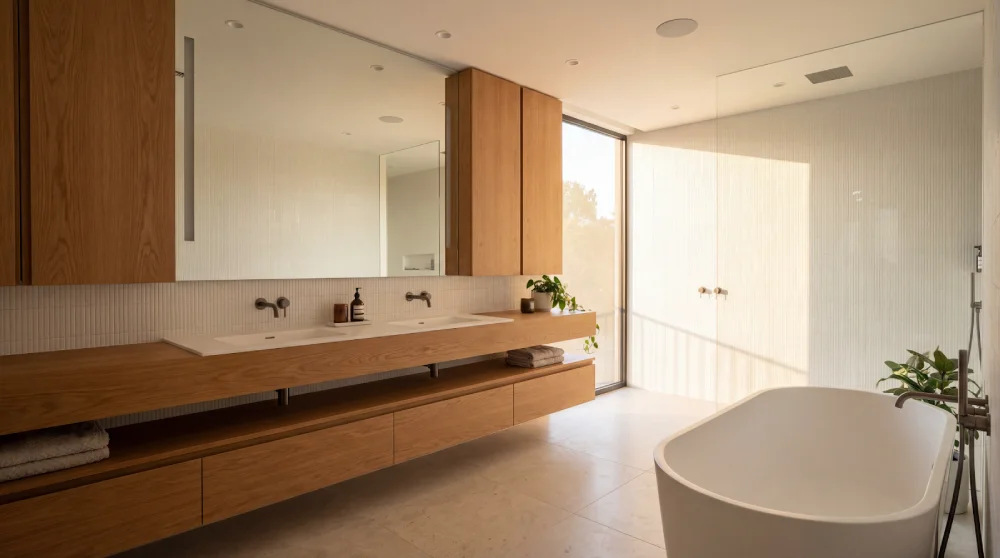
Moisture-resistant bathroom cabinets are designed with waterproof materials, sealed finishes, and corrosion-proof hardware to withstand steam, splashes, and humidity over time.

Choosing the right bathroom cabinets isn’t just about looks — it’s about longevity. Because bathrooms are high-humidity zones, cabinets face constant exposure to moisture, steam, and cleaning products. Without proper resistance, materials can warp, swell, or mold, shortening cabinet life and harming indoor air quality.

In this guide, you’ll learn which materials, finishes, and construction details make the best moisture-resistant cabinets, plus expert tips on installation, maintenance, and when to replace them.


Key Takeaways


Why Moisture Resistance Matters in Bathroom Cabinets

Bathrooms are exposed to steam, splashes, and humidity daily. Without protection, cabinets can swell, delaminate, and develop mold. Moisture also breaks down adhesives and corrodes hardware.

Investing in moisture-resistant construction not only keeps your bathroom looking great but also prevents costly repairs and ensures a healthier indoor environment.


For a deeper dive into humidity control in wood materials, see guidance from the National Wood Flooring Association — many of the same moisture principles apply to cabinetry.


Best Cabinet Materials for Humid Environments

Top Moisture-Resistant Materials

MaterialKey BenefitsIdeal For
Teak/CedarNaturally water-resistant, warm appearanceHigh-end bathrooms
Marine PlywoodStrong, stable, resists delaminationVanities and sink bases
PVC / Polymer100% waterproof, zero maintenanceGuest or kids’ bathrooms
Moisture-Rated MDFSmooth, paint-ready, affordablePainted modern styles

Tip: Avoid particleboard or unsealed MDF — they absorb water easily and swell beyond repair.


Finishes and Coatings That Prevent Water Damage

Waterproof Paints and Lacquers

Use marine-grade acrylics or catalyzed lacquers that form a hard, impermeable layer. Apply multiple thin coats, allowing full cure between each. Avoid low-quality latex paints, which can peel under steam exposure.

Edge Banding and Seals

Seal all edges — especially cut MDF or plywood — using PVC or ABS edge banding. Finish corners and seams with flexible silicone caulk. Annual re-caulking prevents leaks into cabinet joints.


Construction Details That Improve Durability

Choose construction that’s built to resist humidity long-term:

Durable ChoiceAvoid These
Solid-core doorsHollow-core doors
Plywood boxesParticleboard boxes
Glued & doweled jointsStapled-only joints
Full back panelsOpen or cutout backs

Factory moisture-sealed interiors and high-quality joinery extend cabinet lifespan dramatically. Always ask for cutaway samples before ordering.


Hardware and Ventilation Options

Corrosion-Resistant Hardware

Pick hardware made from 316-grade stainless steel or solid brass with protective finishes. Avoid cheap plated metals — they corrode quickly in humid air. Keep hinges lubricated and dry after cleaning.

Ventilation Placement

Install an exhaust fan above showers and near vanities. Use louvered doors or passive vents for linen or utility cabinets. Proper airflow helps prevent trapped humidity behind cabinet backs.


Countertops and Sinks That Protect Cabinets

Opt for nonporous countertops like quartz or solid surface, paired with undermount or integrated sinks. Always:

These measures redirect water away from cabinet edges and keep moisture from penetrating the structure.


Installation Tips to Reduce Moisture Exposure

A proper installation ensures your moisture-resistant materials actually perform as intended.


Maintenance to Extend Cabinet Life

Weekly Wipe-Down

Clean cabinets with a soft microfiber cloth and mild cleaner. Remove buildup on edges and around hardware. Always dry surfaces immediately.

Control Bathroom Humidity

Run exhaust fans for 20 minutes post-shower and maintain humidity near 45–50%. Use a dehumidifier if necessary in small or windowless bathrooms.

Reseal or Refinish Every Few Years

Reapply waterproof finishes every 2–3 years, especially around sinks and splash zones. Choose low-VOC polyurethane or marine varnish for best results.


When to Replace Bathroom Cabinets

Replace your bathroom cabinets if you notice:

Once moisture breaches the core material, replacement is often more cost-effective than repair.


Budgeting and Where to Buy Moisture-Resistant Cabinets

Expect these average price ranges:

TypePrice RangeNotes
PVC / Polymer$300–$800100% waterproof, budget-friendly
Marine Plywood$800–$1,500Durable and traditional
Solid Wood (Sealed)$1,500–$3,000+Premium aesthetic, more maintenance

Shop from specialty cabinet suppliers or reputable big-box retailers offering moisture-rated lines. Look for clear specifications like CARB Phase 2 or E1 moisture certification.

Conclusion

Choosing moisture-resistant bathroom cabinets means combining the right materials, finishes, and installation practices to fight humidity head-on. From marine plywood to PVC cabinetry, your goal is to keep water out and style intact.

Pair quality materials with good ventilation and maintenance, and your cabinets can look new for over a decade.

Ready to upgrade? Explore CabStone’s bathroom cabinetry — designed specifically for New England homes where humidity meets high design.

Frequently Asked Questions

What are the most waterproof materials for bathroom cabinets?

PVC and marine plywood offer the highest moisture resistance, while sealed teak and moisture-rated MDF provide balanced durability and aesthetics.

Can MDF be used safely in bathrooms?

Yes — if it’s moisture-rated MDF with sealed edges and waterproof paint or laminate, it performs well in moderate humidity.

How often should I reseal bathroom cabinets?

Every 2–3 years, or sooner if you see dullness, cracking, or exposed substrate near the sink or tub.

Are solid wood cabinets okay for bathrooms?

Yes, but they must be sealed on all sides and kept ventilated. Teak and cedar are best natural wood options for humid spaces.

What’s the best way to prevent mold in cabinets?

Ensure good airflow, seal joints, and wipe moisture daily. Add passive vents or small fans in enclosed vanity spaces.

Can I mix materials — like MDF doors with plywood boxes?

Definitely. This hybrid approach offers a great balance of cost efficiency and moisture protection.

Do I need special hardware for humid environments?

Yes — use stainless steel, brass, or PVD-coated hardware to avoid rust, discoloration, and seizing over time.

When should I replace a cabinet instead of refinishing it?

If you notice warping, soft spots, or odor from mold, replacement is safer and longer-lasting than repair.

Is laminate a good option for moisture-resistant bathroom cabinets?

Laminate can work if it's high-pressure laminate (HPL) over a moisture-resistant core like marine plywood or sealed MDF. Avoid low-cost laminates with exposed particleboard edges.

How can I tell if a cabinet is truly moisture-resistant before buying?

Look for manufacturer specs like "moisture-rated," "marine-grade," or "bathroom-rated." Ask for certifications (like CARB or E1), sealed edge details, and factory-applied waterproof finishes.

Cabinet refacing delivers the highest return on investment at 96.1%, making it one of the most rewarding kitchen improvements homeowners can pursue.

Cabinet upgrades consistently rank among the most financially rewarding home improvements available. When executed strategically—combining professional installation, thoughtful workflow design, and quality materials—cabinet investments translate into measurable property value appreciation and strong buyer appeal.

Key Takeaways

Understanding Cabinet Upgrade ROI: What the Numbers Show

How Cabinet Projects Deliver Strong Returns

Cabinet upgrades consistently deliver return on investment (ROI) ranging from 50% to 96% depending on project scope and market conditions. The variation reflects how different upgrade types align with buyer expectations and market demand.

Cabinet refacing emerges as the highest-returning option, achieving 96.1% ROI. Minor kitchen remodels average 70–87% returns, while mid-range cabinet styles in family neighborhoods achieve 72–82% ROI.

Project scale significantly influences outcomes: smaller investments and refacing projects yield higher percentage returns than full replacements.

Real-World Performance Data

Professional installation is critical for maximizing returns and ensuring cabinet investments translate into measurable home value appreciation. Certain markets have delivered 101–134% ROI on minor kitchen remodels, confirming that strategic cabinet upgrades are reliable investment vehicles for enhancing property value.

Kitchen renovation ROI studies from the National Association of Realtors confirm that professional installations consistently rank among the top ROI investments when executed properly. Quality materials matched to neighborhood standards outperform luxury alternatives, demonstrating that strategic alignment matters more than maximum spending.

Choosing the Right Cabinet Option for Your Market

Understanding Local Buyer Preferences

Maximizing returns requires matching cabinet selections to specific market conditions and buyer expectations. Urban markets favor compact, tech-integrated solutions with minimalist cabinet styles, while suburban buyers prefer classic, timeless designs with natural wood grain and two-tone options.

Smart cabinet features—including integrated charging stations and built-in lighting—increasingly appeal to tech-savvy urban homeowners seeking modern convenience. Luxury segments drive demand for high-end finishes and custom colors, whereas value-focused buyers prioritize durable, low-maintenance materials.

Current Market Trends

Market preferences increasingly shift toward personalization, with 62% of buyers favoring handle-free doors and clean lines. Custom cabinetry is projected to reach 30% of sales by 2035, reflecting growing consumer demand for personalized solutions.

Selecting cabinet styles aligned with local demographics—considering textures, color combinations, and storage innovations—directly impacts buyer satisfaction and property values, ensuring investments yield measurable returns.

Designing Your Kitchen Workflow for Maximum Appeal

Strategic Zone Planning

Strategic zone planning transforms cabinets into functional assets that enhance workflow efficiency and appeal to discerning homeowners. Organizing prep, cooking, and cleaning areas into distinct zones minimizes staff movement and reduces fatigue during meal preparation.

Positioning storage near frequently used equipment creates logical access patterns that streamline daily operations. This intuitive organization demonstrates quality craftsmanship and thoughtful planning.

Kitchen Ergonomics and Layout

Kitchen ergonomics—including counter heights, cabinet placement, and clear traffic paths—enables faster task completion while preventing strain injuries. Data-driven design processes inform these layout decisions to maximize both functionality and aesthetic appeal.

When potential buyers observe a well-designed layout with intuitive workflow, they recognize the value of professional planning. This perception directly translates to increased home value and buyer confidence.

Strategic Complementary Upgrades That Boost Value

Hardware and Visual Elements

Cabinet upgrades achieve maximum impact when paired with strategic complementary improvements that enhance both functionality and visual appeal.

Hardware Selections:

Lighting Innovations:

Organizational Systems and Storage Solutions

Complementary improvements that maximize storage solutions include:

Aesthetic Enhancements

Visual upgrades that create depth and interest include crown molding, glass inserts, and two-tone finishes. These functional upgrades work cohesively to reshape kitchens, addressing both practical needs and design goals.

When selected thoughtfully, complementary improvements amplify the perceived value of cabinet investments, providing measurable returns through improved usability and contemporary appeal.

Selecting Materials and Finishes for Broader Buyer Appeal

Material Durability and Longevity

Strategic material selection directly influences resale value and buyer satisfaction through enhanced durability and aesthetic consistency.

Key Material Considerations:

Solid wood and plywood cabinets deliver superior durability compared to particle board, commanding higher resale premiums. These materials withstand daily wear while maintaining structural integrity across decades.

Neutral finishes in white, grey, and wood tones appeal broadly, remaining timeless across market shifts. This versatility ensures your investment maintains relevance regardless of evolving design trends.

Eco-Friendly and Specialty Options

Eco-friendly options with CARB and FSC certification appeal to environmentally conscious buyers and justify premium positioning among sustainability-focused demographics. These certifications demonstrate responsible sourcing and manufacturing practices.

Tuxedo styles blend sophistication with versatility, offering visual distinction while maintaining broad appeal. Matte or lightly distressed finishes reduce maintenance demands while projecting current design appeal.

Professional Installation: The Foundation of Long-Term Value

Why Installation Quality Matters

Professional installation serves as the critical structural and functional backbone that determines whether cabinet investments yield lasting value. Professional knowledge guarantees cabinets are securely fastened and properly aligned, preventing costly damage or failure.

Trained installers handle installation challenges—including uneven walls and complex layouts—with precision, providing custom fits that DIY efforts rarely achieve. This careful approach ensures smooth-operating doors and drawers while enhancing visual appeal.

Long-Term Protection and Warranties

Beyond immediate functionality, professional installation protects long-term durability and property value. Most professionals provide warranties covering their work, offering assurance against defects and installation errors.

Warranty protection builds buyer confidence by demonstrating the manufacturer's accountability and the installer's expertise. Clear warranty documentation provides peace of mind regarding coverage and claims procedures.

Timeline Management and Market Timing Considerations

Understanding Project Timelines

Strategic cabinet upgrades require careful coordination of production schedules, contractor availability, and market conditions to maximize both project efficiency and return on investment.

Custom cabinet projects typically span 6-12 weeks for manufacturing alone, while complete kitchen renovations extend 3-6 months total. Advance planning proves essential to secure skilled trades before peak seasons contractors book months ahead.

Preventing Project Delays

Strategic scheduling coordination minimizes bottlenecks through several proven strategies:

StrategyBenefit
Pre-planning and accurate measurementsReduces change orders and errors
Selecting stock cabinetsDecreases lead times versus custom options
Synchronized contractor schedulingPrevents idle workdays and delays
Material availability assessmentPrevents supply chain disruptions
Real-time progress trackingEnables proactive problem-solving

Homeowners who schedule upgrades during off-peak renovation periods often experience shorter timelines and improved material availability, ultimately enhancing the financial value of their cabinet investment.

Seasonal Timing for Maximum Returns

Off-Peak Advantages

Aligning cabinet purchases and installation schedules with predictable seasonal patterns—rather than proceeding year-round—allows homeowners to capture substantial savings while positioning properties for peak market demand.

Winter months deliver contractor availability discounts due to reduced seasonal demand, coupled with faster installation timelines. Holiday clearance events offer savings on cabinet inventory as retailers clear aging stock.

Seasonal Strategy Calendar

Winter: Contractor availability increases; material clearance events peak Spring: New collections launch with bundle opportunities; seasonal demand begins rising Summer: Clearance events provide access to premium selections; peak buyer activity Fall: Transitional period; moderate availability and demand

Strategic timing based on contractor availability and seasonal demand cycles directly maximizes value while minimizing project delays.

Documentation and Warranties: Building Buyer Confidence

Essential Documentation Practices

When homeowners invest in cabinet upgrades, the warranty and documentation they receive serve as a critical foundation for buyer confidence. Proper warranty enforcement and documentation retention directly protect buyers' interests and demonstrate manufacturer accountability.

Critical Documents to Retain:

Building Transparent Communication

Transparent warranty communication builds trust between sellers and buyers, ensuring purchasers understand their protection. Clear documentation packages, including warranty details and maintenance guidelines, reduce buyer uncertainty and establish realistic expectations about cabinet longevity and coverage limitations.

Sellers who provide organized warranty documentation position themselves as professional, detail-oriented, and invested in buyer satisfaction—qualities that enhance perceived property value..

Conclusion

Cabinet upgrades deliver measurable returns when homeowners prioritize quality materials, professional installation, and strategic complementary improvements. The combination of careful material selection, thoughtful workflow design, and proper documentation establishes buyer confidence while protecting long-term value.

Market timing and alignment with local preferences significantly influence ROI outcomes. By systematically combining these elements—from initial planning through final documentation—you transform kitchen spaces into attractive, functional areas that command strong buyer interest and competitive positioning.

Ready to maximize your cabinet investment? Start by evaluating your local market preferences, assessing your timeline against seasonal opportunities, and connecting with professional installers who can guide your selection and execution.

Frequently Asked Questions

Which cabinet upgrade delivers the highest ROI? 

Cabinet refacing consistently delivers the highest return on investment at 96.1%. This approach involves refreshing cabinet exteriors while maintaining existing structures, making it more efficient than full replacements while still delivering dramatic visual transformations and strong financial returns.

How long does a typical cabinet installation take? 

Custom cabinet projects typically require 6-12 weeks for manufacturing, while complete kitchen renovations span 3-6 months. Stock cabinet options significantly reduce timelines, enabling faster project completion and quicker market entry for sellers.

Which cabinet materials offer the best value? 

Solid wood and plywood cabinets offer superior durability compared to particleboard options, commanding higher resale premiums. Neutral finishes in white, grey, and wood tones appeal broadly across buyer demographics while remaining timeless across market shifts.

When is the best time to schedule a cabinet upgrade? 

Off-peak renovation periods (typically winter months) offer shorter timelines, reduced labor costs, and improved material availability. Strategic timing aligned with seasonal patterns allows homeowners to maximize savings while positioning their properties for peak buyer demand.

Do professional installations include warranties? 

Yes, most professional installers provide warranties covering their work and craftsmanship. Clear warranty documentation offers assurance against defects and installation errors, protecting your long-term investment and building buyer confidence in the upgrade's quality and durability

Smart cabinets are storage systems that integrate technology such as motion sensors, LED lighting, and app‑connected automation to improve organization, safety, efficiency, and aesthetics in both kitchens and bathrooms.

Smart cabinets transform everyday spaces with intelligent design. They pair innovative storage and automated functionality—from finger‑free doors to biometric security—to create connected environments that maximize convenience. With durable, eco‑friendly materials and adjustable configurations, these next‑generation cabinets combine form, utility, and digital intelligence for modern living.

Key Takeaways

Kitchen Smart Cabinet Innovations

Smart cabinet designs redefine how kitchens function—integrating motion, lighting, and automation for improved accessibility and hygiene. These advancements merge design innovation with everyday usability.​

Core Smart Cabinet Features

FeatureFunctionBenefit
Lazy Susan unitsRotating trays in corner cabinetsReclaim wasted storage space
Pull‑out pantriesFull‑extension storage in slim zonesUp to 22% greater organization capacity
Motion‑activated drawersOpen automatically with sensorsTouchless, hygienic access
LED illuminationLights trigger on movementImproves visibility and ambient design
Servo lift‑up doorsAutomates upper cabinet accessIdeal for compact kitchens
Inventory sensorsTracks pantry contentsReduces food waste
Bluetooth smart locksSecured cabinet compartmentsChild and privacy protection

Modern installations even sync with appliances: refrigerators share inventory data while cabinets flag expiring items for automatic shopping‑list updates.​

Smart innovations documented by KBYD Design, such as motion‑activated lighting, interior charging stations, and pop‑up shelving, reflect evolving “connected kitchen” principles.​

Bathroom Smart Cabinet Solutions

In high‑moisture spaces, smart cabinetry introduces hygienic, digital, and ergonomic enhancements that advance wellness and energy efficiency.​

Functional Upgrades

Smart bathroom cabinets exemplify tech‑design fusion: motion lighting reduces energy output, while app‑integrated systems customize brightness and temperature preferences.​

Material Selection for Durability and Sustainability

Choosing materials influences performance, longevity, and environmental impact.
Below, durable and sustainable cabinet materials balance structural strength with design versatility.

Material Comparison Table

MaterialDurabilityMoisture ResistanceEco‑CertificationIdeal Location
Maple / Oak (Hardwood)HighModerateFSC availableKitchens / Vanities
Stainless SteelSuperiorExcellent100% recyclableWet areas & modern interiors
PlywoodGoodGoodLow‑VOC / formaldehyde‑freeGeneral cabinetry
BambooModerateModerateRapidly renewableSustainable projects
Reclaimed WoodExcellentVariableUpcycled / zero harvestingDecorative panels
Moisture‑Resistant MDFModerateHighRecycled fibersPainted bathroom surfaces

Smart Technology Features and Integration

Sensor Systems & Automation

Automation improves both safety and sustainability. JM Cabinetry reports that integrated LEDs and sensors cut typical lighting energy usage by 40% while improving user ergonomics.​

App Control & Monitoring

Connected applications let homeowners manage systems remotely.
Smart functions include:

Data analytics inside these cabinets can even recommend grocery restocks based on past use patterns.​

Design Aesthetics and Style Trends

Today’s smart cabinetry bridges timeless craftsmanship with futuristic refinement.​

Design ElementTrendDesign Advantage
FinishMatte neutrals, metallic inlaysConceals fingerprints
Door StyleFlat or glass‑panel hybridMinimalist with display options
HardwareBrushed brass / black bronzeWarm contrast, durability
Lighting StyleConcealed LEDs or halo edgesModern accent illumination
InfluencesIndustrial + ScandinavianBlends technology with warmth

Ergonomic Design and User Experience

Smart cabinets enhance accessibility and reduce repetitive strain injuries.

Home Ergonomics Checklist

Ergonomic adaptation ensures usability regardless of height or mobility constraints, aligning with KitchenPeople’s research into accessibility‑focused cabinetry.​

Storage Efficiency and Space Optimization

Smart layouts integrate modular geometry with automation.

  1. Assess daily routines. Store routine items near major work zones.
  2. Add vertical modules. Extend upper storage when floor space is limited.
  3. Include concealed zones. Hide appliances on servo lifts.
  4. Automate lighting. Install motion triggers in rarely accessed cabinets.
  5. Integrate tracking systems. Use sensors that identify low pantry stock.

Modern pull‑out cabinetry adds up to 20‑plus percent more usable space than traditional layouts.​

Safety, Security, and Long‑Term Benefits

Smart Safety FeatureFunctionBenefit
Biometric LocksFingerprint / App accessPrevents unauthorized entry
Bluetooth MonitoringSyncs security alertsEnhances child safety compliance
GFCI IntegrationProtects outlets from moistureReduces electrical hazards
Battery BackupPower continuityMaintains controls during outages

Conclusion

Smart cabinets redefine how homes operate—merging storage engineering with digital intelligence to create connected, organized, and sustainable living spaces. From self‑illuminating pantries to AI‑guided organization, these innovations balance form and function through automation, sustainability, and timeless design.

Upgrade your kitchen or bathroom today with smart cabinetry that adapts to your habits and evolves with tomorrow’s technology.

Frequently Asked Questions

How do smart cabinets improve kitchen efficiency?

They automate access, track supplies, and optimize lighting, cutting daily task time by up to 25% through organization and automation synergy.​

Can these cabinets connect to existing smart home systems?

Yes. Most models sync with Alexa, Google Assistant, or Tuya Cloud apps for centralized management of lighting and environmental settings.​

What materials work best in moisture‑prone bathrooms?

Stainless steel, marine plywood, and sealed solid wood resist water and mold while maintaining appearance long‑term.​

Do smart cabinets require significant maintenance?

Minimal. Sensors and LEDs are low‑voltage and energy‑efficient, and firmware updates handle automation calibration remotely.​

Are smart cabinets energy‑saving?

Yes. Motion lighting and temperature regulation lower consumption; LEDs last longer than halogen alternatives and activate only when needed.​

Cabinet hardware materials determine how long your knobs, pulls, and hinges last — stronger metals like stainless steel or brass resist corrosion, wear, and daily use far better than plated or soft alloys.

Your cabinet hardware may be small, but it plays a huge role in both durability and design. The metal you choose affects not only how your cabinets look but how they perform over time — from resisting corrosion in humid kitchens to maintaining finish quality with daily handling.

This guide breaks down how material choice impacts longevity, comfort, maintenance, and even home value — so you can choose hardware that looks great and lasts for years.

Key Takeaways

How Metal Choice Affects Durability and Longevity

When choosing cabinet hardware, metal composition determines resistance to wear, scratches, and bending.

Choose thicker hardware where screws or hinges bear weight — these hold up far better under stress. In high-use spaces like kitchens or mudrooms, opt for solid alloys or stainless steel for fewer replacements over time.

Tip: Look for hardware labeled “solid” or “forged” instead of “plated” for long-term durability.

Corrosion Resistance: Matching Metal to Environment

Best Metals for Moisture-Prone Areas

MetalCorrosion ResistanceIdeal Use
304 Stainless SteelExcellentKitchens, coastal homes
Solid BrassVery GoodIndoor kitchens, bathrooms
Zinc Alloy (Zamak)FairLow-humidity interiors
Plated SteelPoorAvoid near sinks or stoves

Stainless steel and brass form natural protective films against oxidation, while cheaper alloys rely on thin plating that can chip or rust.

In humid or coastal environments, invest in marine-grade stainless steel for maximum performance.

For reference, the U.S. General Services Administration’s material specs highlight why stainless steel and brass are preferred in high-moisture conditions.

Finishes and Wear: What Holds Up to Daily Use

Finishes protect hardware from scratches and moisture — but not all are equal.

Finish TypeDurabilityMaintenance
PVD MatteExcellentLow
Brushed NickelVery GoodModerate
ChromeModerateHigh
PaintedVariableModerate–High

Avoid cheap electroplating — once it chips, rust spreads quickly. Always verify finish thickness and warranty.

Maintenance and Care Best Practices

1. Daily Cleaning Routine

Use a soft microfiber cloth and mild soap solution to remove grime and prevent corrosion. Wipe dry immediately to avoid water spots.

2. Polishing Frequency

3. Long-Term Protection

Apply a thin layer of clear wax or furniture polish on brass and bronze to prevent oxidation. Avoid ammonia-based cleaners — they strip protective coatings.

Safety and Allergen Considerations

Some alloys and finishes can contain irritants like nickel or lead. When selecting hardware:

ConcernSafe Alternatives
Lead in brassCertified lead-free brass
Nickel sensitivityPowder-coated or stainless finishes
VOC coatingsFactory-cured or PVD finishes

Fingerprint Resistance and Touch Comfort

Best Fingerprint-Resistant Finishes

FinishFingerprint ResistanceTexture Feel
Matte PVDHighSilky smooth
Brushed NickelMediumCool, fine texture
Powder CoatVariableWarm, tactile grip

Brass and bronze feel naturally warmer to the touch, while stainless steel can feel colder but stays cleaner longer. Always test grip comfort before purchasing — ergonomics matter as much as appearance.

Weight, Balance, and Ergonomics

Hardware should feel sturdy without being cumbersome.

Pro Tip: If a pull feels too light for its size, it’s likely hollow or plated — it won’t last long.

Cost Versus Value: When to Spend More

Upfront Cost vs. Longevity

Spending 20–30% more on higher-grade hardware often saves hundreds in future replacements.

Choose finishes that resist tarnish and need less polishing. Stainless steel and PVD-coated brass have the best balance of cost and longevity.

Resale Impact

Quality hardware signals craftsmanship and boosts perceived home value — a small detail that buyers notice immediately.

Sustainability and Recyclability

Eco-conscious homeowners should prioritize recyclable metals like brass, aluminum, or stainless steel. Avoid multi-layer plated finishes that complicate recycling.
When possible, choose hardware made from recycled or reclaimed metals, which reduce waste and energy use.

Conclusion

Your cabinet hardware’s material affects far more than just aesthetics — it defines durability, comfort, and maintenance effort. By choosing corrosion-resistant metals and durable finishes, you’ll save money, reduce replacements, and elevate your home’s overall design.

If you’re remodeling or upgrading cabinetry, invest in quality hardware that feels as good as it looks.

Explore CabStone’s expert-selected hardware collections for designs that blend beauty, performance, and long-term value.

Frequently Asked Questions

What is the most durable cabinet hardware material?

Solid stainless steel or solid brass — both resist corrosion and mechanical wear for decades.

Are zinc or alloy knobs worth it?

Zinc alloys are affordable for light use but not ideal for high-moisture or heavy drawers.

How do I clean cabinet hardware without damaging the finish?

Use a soft cloth with mild soap and water — avoid ammonia, bleach, or abrasive pads.

Which finishes hide fingerprints best?

Matte PVD, brushed nickel, and powder-coated finishes all disguise smudges effectively.

Can cabinet hardware be refinished?

Solid metals like brass and bronze can be refinished; plated or coated hardware usually cannot.

What’s the best hardware for coastal homes?

Marine-grade (304 or 316) stainless steel resists salt corrosion and humidity best.

How long should good cabinet hardware last?

Quality hardware can last 15–25 years with basic care, depending on environment and use.

Does hardware weight affect cabinet performance?

Yes — heavier hardware like solid brass or stainless offers better stability and feel, especially on large drawers, while light or hollow knobs may loosen over time.

Can I mix different hardware materials in the same kitchen?

Yes, mixing metals like brass and matte black or stainless and bronze can create visual interest — just maintain a consistent style or shape to keep cohesion.

What hardware is best for families with young kids?

Look for fingerprint-resistant finishes, rounded edges for safety, and durable materials like stainless steel or powder-coated aluminum that resist sticky hands and frequent cleaning.

CabStone Logo - White

Expert design, quality materials, and reliable execution all backed by professionals who care about your project as much as you do. Call CabStone today to discuss your kitchen, bathroom, flooring, or outdoor living needs.

617-699-3945
[email protected]
325A North Main Street

Middleton, MA 01949
crossmenu linkedin facebook pinterest youtube rss twitter instagram facebook-blank rss-blank linkedin-blank pinterest youtube twitter instagram Skip to content