Building an Outdoor Space That Lasts: Materials, Craftsmanship and Maintenance
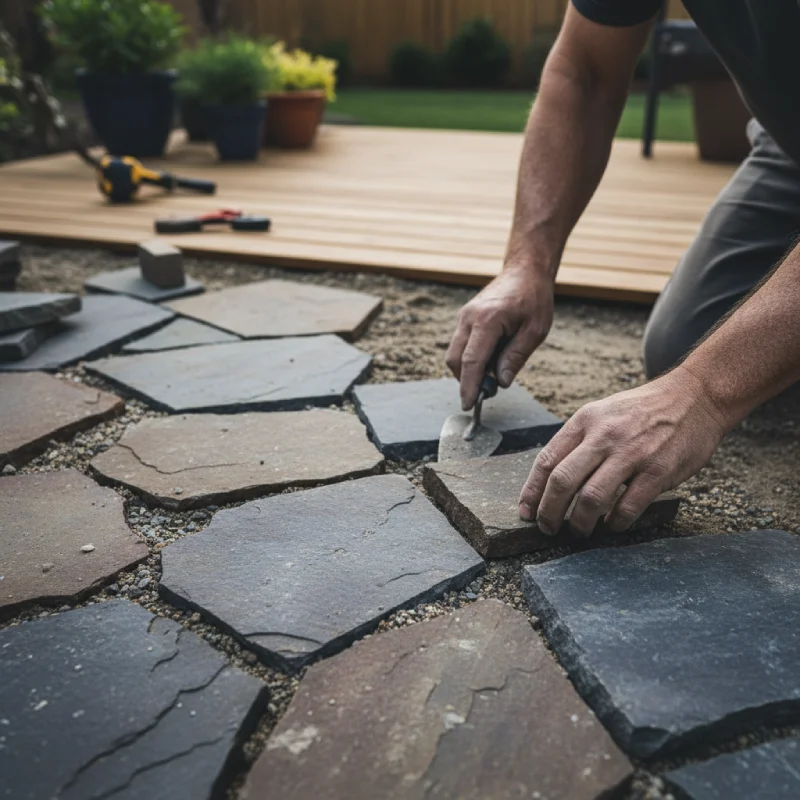
Building outdoor living spaces that endure requires selecting moisture-resistant materials, employing precision craftsmanship, and maintaining protective finishes to resist weathering and extend structural lifespan.
Whether you're planning an outdoor kitchen, automated pergola, or pool house, the decisions you make during construction determine whether your investment lasts 10 years or 40. As contractors who've worked on hundreds of outdoor projects in the Boston area, we've seen firsthand what separates structures that age gracefully from those that deteriorate prematurely.
The key isn't just picking expensive materials—it's understanding how materials, installation quality, and maintenance work together. A premium composite deck installed incorrectly will fail faster than pressure-treated lumber installed right. This guide breaks down the essential strategies that protect your outdoor investment from New England's moisture, temperature swings, and UV exposure.
Key Takeaways
- Quality outdoor living construction using composite decking and recycled materials resists rot and mold while requiring minimal maintenance compared to traditional wood
- Precision installation with proper joinery and corrosion-resistant fasteners prevents moisture infiltration and premature failure
- UV-resistant protective coatings must be reapplied every 1-2 years to maintain effectiveness against weathering
- Regular debris removal and drainage system maintenance prevent costly structural damage
- Lifecycle cost analysis shows that higher upfront material investments generate substantial long-term savings
Choosing the Right Materials for Outdoor Durability
When moisture, freeze-thaw cycles, and sun exposure are constant threats, material selection becomes your first line of defense. The Boston climate demands materials that won't warp, rot, or degrade after a few seasons.
Composite decking has become the gold standard for outdoor floors. Made from recycled plastics and wood fibers, these boards resist moisture penetration and don't splinter like traditional lumber. Unlike cedar or pressure-treated pine, composites won't crack or need annual staining.
Sustainable Material Options
Modern outdoor construction offers materials that balance performance with environmental responsibility. Rice hull siding, for example, diverts agricultural waste from landfills while resisting insects and mold without chemical treatments.
Engineered stone combines recycled content with the durability homeowners expect from natural materials. For structural elements, sustainable composite lumber maximizes raw material efficiency while delivering strength comparable to dimensional lumber.
| Material Type | Best Applications | Maintenance Level |
| Composite Decking | Decks, walkways, pergola flooring | Low - periodic cleaning only |
| Powder-Coated Aluminum | Pergola frames, railings | Very low - rust resistant |
| Engineered Stone | Outdoor kitchen counters, fire pits | Low - sealed surface |
| Pressure-Treated Lumber | Structural framing, posts | Medium - annual sealing |
Why Precision Installation Determines Longevity
Even premium materials fail when installation shortcuts are taken. We've torn out three-year-old structures built with quality lumber that rotted because gaps in the framing trapped water.
Skilled joinery creates mechanical bonds that resist loosening over decades. Mortise and tenon joints, when executed properly, distribute loads evenly and eliminate the stress points that cause screws to work loose. Precise measurements ensure components fit tightly without gaps where moisture infiltrates.
Critical Installation Details
Fastener installation requires exact torque specifications. Over-tightening damages protective coatings and splits wood fibers. Under-tightening allows movement that wears connections prematurely.
Expansion gaps accommodate seasonal material movement without buckling. Wood expands in humidity and contracts in winter—structures without proper gaps develop stress cracks. Powder-coated finishes applied during construction provide additional protection against rust and corrosion on metal components.
Waterproofing details around ledger boards and post bases prevent the hidden rot that undermines structural integrity years later.
Protective Finishes and Corrosion-Resistant Hardware
UV radiation breaks down unprotected materials season after season. Acrylic and epoxy-based sealers form protective barriers that reflect UV rays before they penetrate wood or composite surfaces.
Multi-layer coating systems work like insurance policies—outer layers handle UV defense while inner layers provide waterproofing and anti-corrosion protection. This redundancy ensures protection remains effective even as outer layers gradually wear.
Fastener Selection Matters
Standard steel screws rust within months of outdoor exposure. Hot-dipped galvanized fasteners feature thick zinc coatings that withstand moisture and salt spray for years. Stainless steel hardware costs more upfront but eliminates replacement needs.
Epoxy-coated fasteners deliver chemical resistance for structures near pool equipment or coastal environments. The key is matching fastener coating to environmental exposure—what works inland fails quickly in salt air.
Maintenance Strategies That Protect Your Investment
Even the best-built outdoor spaces require regular attention. Neglected maintenance accelerates deterioration and leads to expensive repairs that proper upkeep would have prevented.
Essential Weekly and Monthly Tasks
- Remove debris promptly - Leaves and pine needles trap moisture against surfaces, creating conditions for mold and rot
- Clean drainage systems - Gutters and downspouts clogged with debris cause water to pool where it damages structural members
- Inspect hardscape surfaces - Catching small cracks early prevents water infiltration that leads to heaving and major repairs
Use soft brushes with mild detergent for cleaning—pressure washers damage composite decking and strip protective finishes from wood. For hardwood furniture in humid environments, reapply protective finishes every 1-2 years to maintain water resistance.
Seasonal Maintenance Priorities
| Season | Key Tasks |
| Spring | Inspect for winter damage, reseal wood surfaces, check fastener tightness |
| Summer | Clean and treat decking, trim vegetation away from structures |
| Fall | Clear gutters, winterize water features, apply protective mulch |
| Winter | Monitor for ice damage, remove snow buildup from roofs |
Long-Term Cost Benefits of Quality Construction
Clients often focus on initial construction costs without considering total lifecycle expenses. A comprehensive analysis reveals that upfront investments in quality materials and installation generate substantial savings over time.
Drought-resistant plantings reduce irrigation costs and maintenance hours. Composite decking eliminates annual staining costs that add up to thousands over a deck's lifespan. Properly installed drainage systems prevent foundation repairs that can exceed the original construction budget.
Environmental factors matter too. Efficient materials reduce water consumption and chemical inputs, lowering both operating costs and ecological impact. Strategic material choices create custom outdoor living spaces that deliver financial returns through reduced maintenance needs and extended replacement intervals.
Frequently Asked Questions
What's the most durable material for outdoor decking?
Composite decking offers the best combination of durability and low maintenance for your outdoor living space. Made from recycled plastics and wood fibers, it resists moisture, won't splinter, and doesn't require annual staining like wood. High-quality composites are weather-resistant and last 25-30 years with minimal upkeep.
How often should I reseal my outdoor wood structures?
Wood surfaces in your outdoor living area exposed to weather need resealing every 1-2 years depending on climate and sun exposure. Structures like pergolas in full sun or high humidity require more frequent treatment. Inspect finishes annually—if water no longer beads on the surface, it's time to reseal.
Can I use regular screws for outdoor construction?
Never use standard steel screws outdoors—they rust quickly and compromise structural integrity. Use hot-dipped galvanized or stainless steel fasteners rated for exterior use. The coating protects against moisture and weather conditions while preventing corrosion that weakens connections over time.
What's the biggest mistake homeowners make with outdoor structures?
Neglecting drainage is the most common and costly mistake. Water pooling around posts, under decks, patio pavers, or against structures causes rot and foundation damage. Proper grading, functional gutters, and adequate clearance between ground and wood prevent most moisture-related failures.
Are sustainable building materials as durable as traditional options?
Modern sustainable materials often outperform traditional options while increasing property value. Composite lumber resists rot better than pressure-treated wood, rice hull siding handles moisture without warping, and engineered stone for landscape features matches natural stone durability while incorporating recycled content. Well-designed sustainable choices seamlessly blend performance with environmental responsibility.
Conclusion
Building outdoor spaces that last requires balancing material selection, installation quality, and ongoing maintenance. Composite materials and sustainable alternatives offer durability that traditional lumber can't match. Precision craftsmanship prevents the moisture infiltration and structural failures that compromise investments.
Regular maintenance preserves protective finishes and catches small problems before they become expensive repairs. When you combine quality materials with skilled installation and consistent upkeep, outdoor structures deliver decades of reliable performance.
Ready to build an outdoor space that stands the test of time? Contact CabStone, your trusted outdoor living design build company, to discuss materials, design options, and construction approaches that match your budget and timeline. Our team brings real-world construction experience to every project.