Automated Pergolas, Outdoor Kitchens & Smart Features: High-End Upgrades for Your Backyard
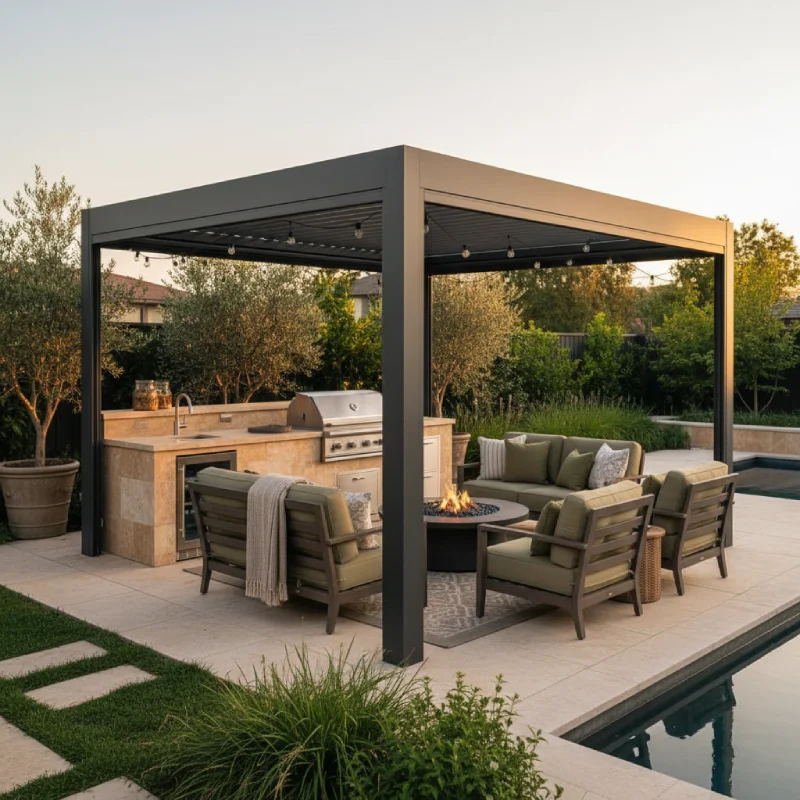
Automated outdoor living systems combine weather-responsive pergolas, smart kitchens, and centralized controls to create sophisticated entertainment spaces that adapt to conditions in real time, reducing energy consumption and enhancing property value.
The outdoor living projects we're building today bear little resemblance to the static decks and patios of a decade ago. Homeowners in the Boston area are investing in custom outdoor living systems that respond to weather, integrate with home networks, and deliver comfort without constant manual adjustment.
We're talking about pergolas that close their louvers when it rains, outdoor kitchens you control from your phone, and lighting that adjusts based on the time of day. These aren't just conveniences—they're systems that extend your living space's usability while reducing energy waste and maintenance demands.
This guide breaks down the smart outdoor technologies gaining traction in high-end residential projects, explaining what they do, how they work together, and what benefits justify the investment.
Key Takeaways
- Weather-responsive pergolas with automated louvers close during rain and reduce indoor cooling costs by up to 25%
- Smart outdoor kitchens integrate built-in grills, refrigeration, and network-connected controls for precision cooking
- Centralized management systems control lighting, audio, climate, and security through voice commands or mobile apps
- Intelligent irrigation reduces water consumption by 20-40% using soil moisture sensors and adaptive scheduling
- Integrated security systems with AI motion detection provide real-time alerts and recorded evidence for liability protection
Weather-Responsive Automated Pergolas
Traditional pergolas provide shade but leave you scrambling to move furniture when storms roll in. Automated systems eliminate that problem entirely with smart sensors that monitor rain, wind, and temperature in real-time.
When precipitation begins, motorized louvers close to zero-degree angles within seconds, creating gapless seals that keep your outdoor space completely dry. The transition happens silently through whisper-quiet motors—you'll notice the protection before you hear the mechanism.
Energy Efficiency Through Intelligent Shading
These systems do more than keep you dry. By automatically adjusting louver angles throughout the day, automated pergolas reduce heat gain through adjacent windows and glass doors. This strategic shading cuts indoor cooling costs by up to 25% during summer months.
Many models incorporate solar panels and battery systems, reducing grid electricity dependence. Built-in gutter systems direct rainfall away from seating areas and foundations, preventing water damage while supporting rainwater collection for irrigation.
| Automated Feature | Function | Primary Benefit |
| Weather Sensors | Monitor rain, wind, temperature | Automatic protection response |
| Motorized Louvers | Adjust from 0° to 90° angle | Control sun, rain, ventilation |
| Smart Controls | Mobile and voice operation | Remote access, automation |
| Integrated Gutters | Direct water away from space | Foundation protection, collection |
Smart Outdoor Kitchen Integration
Outdoor kitchens have evolved beyond basic grills and counters. Modern installations feature built-in appliances, network connectivity, and the same precision controls you'd expect from indoor cooking equipment.
Built-in grills with smart temperature monitoring maintain consistent heat zones for different foods simultaneously. Wood-fired pizza ovens reach 950°F and cook in 60-90 seconds when properly preheated. Refrigeration units—including wine coolers and beverage centers—keep ingredients and drinks at optimal temperatures regardless of ambient conditions.
Durable Materials and Functional Design
Granite countertops dominate outdoor kitchen installations because they withstand weather exposure while providing the work surface serious cooking demands. Built-in storage keeps utensils, seasonings, and serving pieces protected from elements but immediately accessible.
Smart controls connect these appliances to your home network, allowing temperature adjustments from your phone. You can preheat the grill from inside, monitor meat temperatures without standing over the flame, and receive alerts when cooking cycles complete.
Centralized Smart Home Integration
The real power of these individual technologies emerges when you connect them through centralized management platforms. Systems like Control4, Crestron, or consumer options like Alexa and Google Home unify outdoor and indoor devices into single ecosystems.
From one interface, you control pergola louvers, lighting, audio, climate, and security simultaneously. Voice commands let you adjust settings hands-free while cooking or entertaining. Voice assistant accuracy now reaches 95%, making natural language control reliable enough for daily use without frustrating errors.
Automation and Remote Access Benefits
- Weather-based automation - Systems adjust pergola louvers and climate controls based on real-time weather data
- Geofencing capabilities - Outdoor spaces activate comfort settings automatically as you approach home
- Scheduling routines - Lighting, irrigation, and climate adjust based on time of day without manual input
- Remote monitoring - Check security cameras, adjust settings, and respond to alerts from anywhere
- Multi-zone management - Control different outdoor areas independently through the same platform
These integrated systems increase property value by 3-5% according to real estate studies, making outdoor living services investments that deliver both lifestyle benefits and financial returns.
Intelligent Irrigation and Water Management
Smart irrigation systems represent one of the highest ROI outdoor upgrades, reducing water consumption by 20-40% while improving plant health. Soil moisture sensors determine when watering is actually needed rather than following fixed schedules.
Weather data integration prevents irrigation before or during rain events. IoT-enabled valves allow real-time adjustments from mobile apps, and machine learning algorithms analyze sensor data to create adaptive watering schedules that respond to seasonal changes.
Multi-Zone Control and Precision Delivery
Complex landscaping requires different watering strategies for lawns, gardens, and plantings with varying sun exposure. Smart systems manage multiple zones independently, delivering precise amounts based on each area's specific needs.
Fertigation capabilities integrate fertilizer delivery with irrigation cycles, ensuring nutrients reach plants at optimal times. This precision approach enhances yields by 10-25% in garden areas while minimizing runoff and chemical waste.
Security and Privacy Enhancement
Outdoor living investments need protection. Integrated security systems combine motion detection, video surveillance, and access controls into unified platforms that monitor perimeter activity in real-time.
AI-powered sensors distinguish between humans, animals, and vehicles, reducing false alarms that cause notification fatigue. Enhanced night vision ensures reliable detection during low-light conditions. Video surveillance captures activity that provides evidence for insurance claims and investigations when incidents occur.
Motorized Privacy Screens
Automated privacy screens deploy on demand through smartphone apps or voice commands. These systems offer fabric openness options at 1%, 3%, and 5% levels, accommodating different needs for visibility and seclusion.
Geofencing technology automatically extends screens as you approach your property. Weather-responsive systems retract during high winds to prevent damage and extend during intense UV conditions for protection. Single panels span up to 22.5 feet wide and 16 feet tall, covering large outdoor areas without permanent structural barriers.
Entertainment and Ambiance Systems
Integrated lighting and audio transform outdoor spaces into entertainment destinations. IP65-rated LED fixtures withstand weather exposure while offering adaptive dimming that complies with dark-sky regulations and reduces light pollution.
Weather-resistant speakers synchronize across multiple zones via mobile devices and voice control. Motion sensors and photocells automatically adjust lighting based on occupancy and ambient light levels, reducing energy consumption by 50-70% compared to traditional outdoor lighting.
Synchronized System Control
Touchscreen interfaces, programmable remotes, or mobile apps control audio, video, lighting, and climate simultaneously. Personalized scenes activate multiple settings with one command—dim lights, adjust temperature, and start music for movie nights or dinner parties.
Dedicated outdoor Wi-Fi access points maintain reliable streaming capabilities for video projectors and wireless audio without interfering with indoor network performance. These entertainment systems integrate seamlessly with existing smart home ecosystems for unified control.
Conclusion
Automated outdoor living systems represent a fundamental shift in how we design and use backyard spaces. Weather-responsive pergolas, smart kitchens, intelligent irrigation, and centralized controls work together to create environments that adapt to conditions while reducing energy consumption and maintenance demands.
These technologies deliver measurable benefits—lower utility bills, reduced water waste, enhanced security, and increased property value. More importantly, they extend your home's usable space by making outdoor living spaces comfortable and functional regardless of weather or time of day.
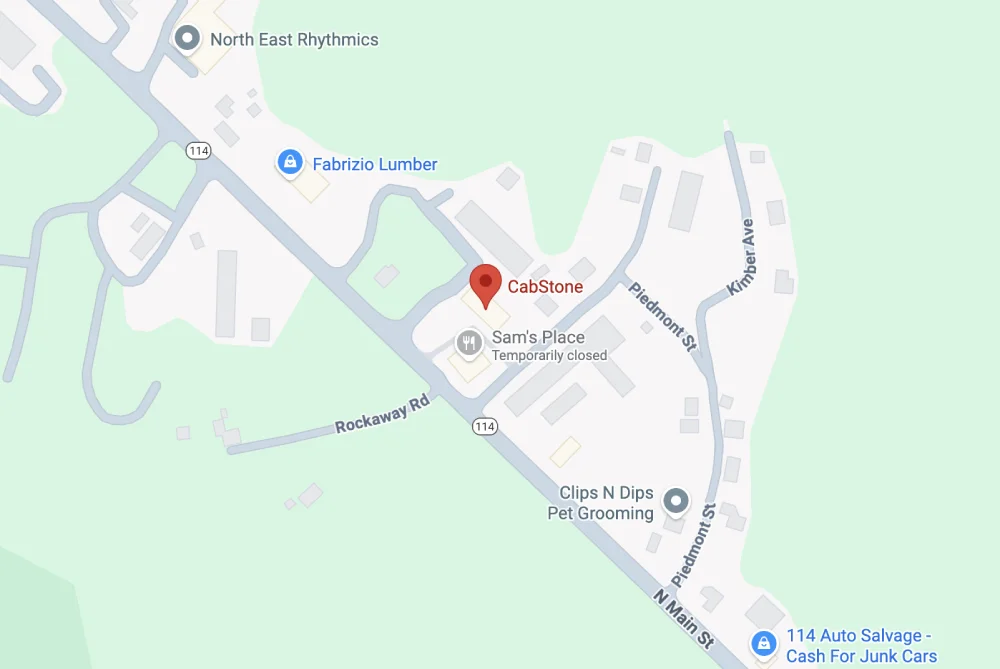
Considering automated outdoor upgrades for your property? Contact Cabstone, your trusted outdoor living design build company, to discuss pergola options, outdoor kitchen configurations, and smart system integration that matches your space and lifestyle. We bring hands-on installation experience to every design-build project.
Frequently Asked Questions
Do automated pergolas require professional installation or can I retrofit an existing structure?
Automated pergola systems require professional outdoor living construction due to electrical connections, structural load requirements, and sensor calibration. Retrofitting existing pergolas is sometimes possible if the frame can support motorized components and electrical access is available, but most installations work best as complete new builds designed specifically for automation from the start.
How reliable are weather sensors in triggering pergola louver closure?
Modern weather sensors respond within seconds of detecting precipitation, typically closing louvers before rain reaches your outdoor furniture. Dual-sensor systems monitor multiple variables simultaneously for comprehensive protection. The technology is mature and reliable—failures are rare and usually related to power loss rather than sensor malfunction.
Can smart outdoor systems work without constant internet connectivity?
Most systems maintain basic functionality during internet outages—manual controls, programmed schedules, and local sensors continue operating. However, remote access, voice commands through cloud-based assistants, and weather data integration require connectivity. Hybrid wired and wireless setups minimize connectivity issues and reduce network interference.
What maintenance do automated outdoor kitchens require beyond regular cleaning?
Smart outdoor kitchen appliances need the same maintenance as traditional models—cleaning grates, checking gas connections, and protecting surfaces from weather. The added technology requires occasional software updates (usually automatic) and checking electrical connections annually. Most components are designed for outdoor exposure and require minimal tech-specific maintenance beyond what you'd already do for quality outdoor cooking equipment.
Are smart irrigation systems complicated to program and adjust?
Initial setup requires defining zones and inputting basic plant information, but most systems learn and adapt automatically from there. Mobile apps provide intuitive interfaces for adjustments. Many homeowners set preferences once and let machine learning algorithms handle scheduling. You can override settings anytime for specific needs, but daily management is minimal—the system operates independently based on sensor data and weather forecasts.