2025 Cabinet Trends Homeowners Should Know Before Remodeling
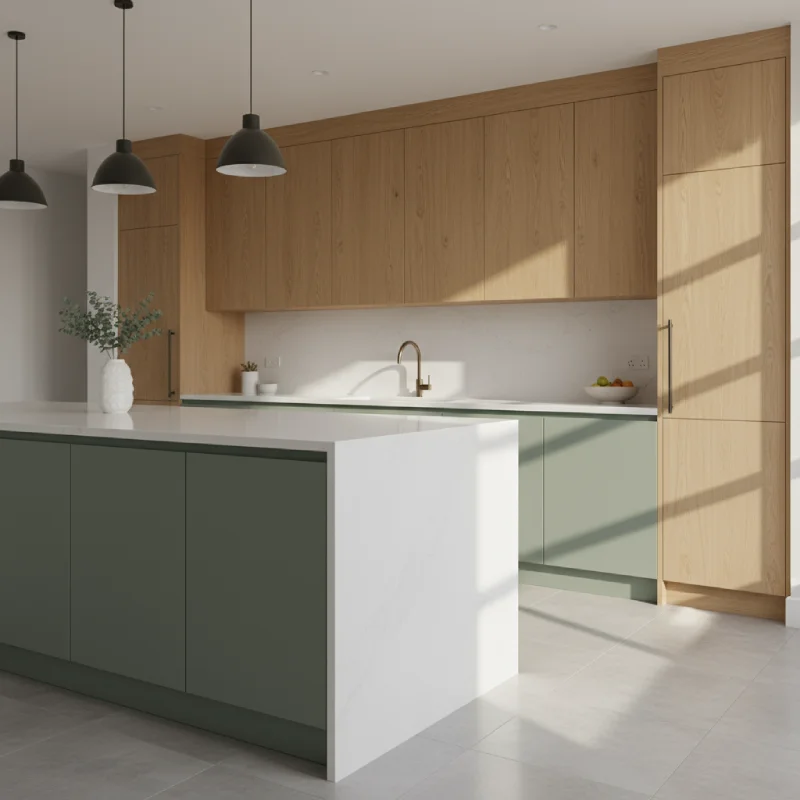
Kitchen cabinets in 2025 emphasize earthy color palettes, mixed materials, handleless innovations, and sustainable construction that balances contemporary aesthetics with long-term functionality and environmental responsibility.
If you're planning a kitchen remodel this year, the cabinet choices you make will define your space for the next two decades. As a cabinet contractor team who specs and installs cabinets weekly, we're seeing a clear shift away from stark white kitchens toward warmer, more textured designs that feel both modern and lived-in.
The trends we're tracking aren't just about aesthetics—they reflect how homeowners actually use their kitchens. Two-tone designs add visual interest without overwhelming smaller spaces. Handleless cabinets create seamless looks while being easier to clean. Sustainable materials deliver durability that justifies the investment.
This guide breaks down what's actually gaining traction in 2025, helping you make decisions that work with your lifestyle and budget.
Key Takeaways
- Earthy tones like terracotta, olive, and mahogany are replacing all-white kitchens as homeowners seek warmth and sophistication
- Two-tone cabinet designs combine dark lower cabinets with lighter uppers for visual depth and practical wear resistance
- Handleless push-to-open technology creates streamlined aesthetics while reducing maintenance and improving safety
- Hybrid storage solutions balance glass-front display cabinets with enclosed storage, preferred by 68% of homeowners
- Sustainable materials like reclaimed wood and low-VOC finishes reduce environmental impact without compromising durability
Bold Earthy Color Palettes Replace Stark White
The all-white kitchen trend that dominated the last decade is giving way to warmer, more grounded color schemes. Terracotta, deep olive, warm mahogany, and slate gray create focal points that feel sophisticated without being trendy.
These earth-inspired tones work because they're psychologically grounding—they make kitchens feel like gathering spaces rather than showrooms. Homeowners report that earthy cabinets create comfort and stability that white kitchens can't match.
Flexible Implementation Options
You don't need to commit to a full cabinet replacement to incorporate this trend. Accent pieces in burnt sienna or cocoa tones can anchor a space when paired with neutral surroundings. Hardware updates in complementary brass or aged bronze reinforce the earthy aesthetic at a fraction of the refinishing investment.
Earth-inspired color palettes adapt to changing lighting conditions throughout the day, maintaining visual appeal from morning coffee to evening meal prep. This versatility helps protect against trend fatigue while supporting design evolution as your tastes change.
Mixed Materials Add Depth and Character
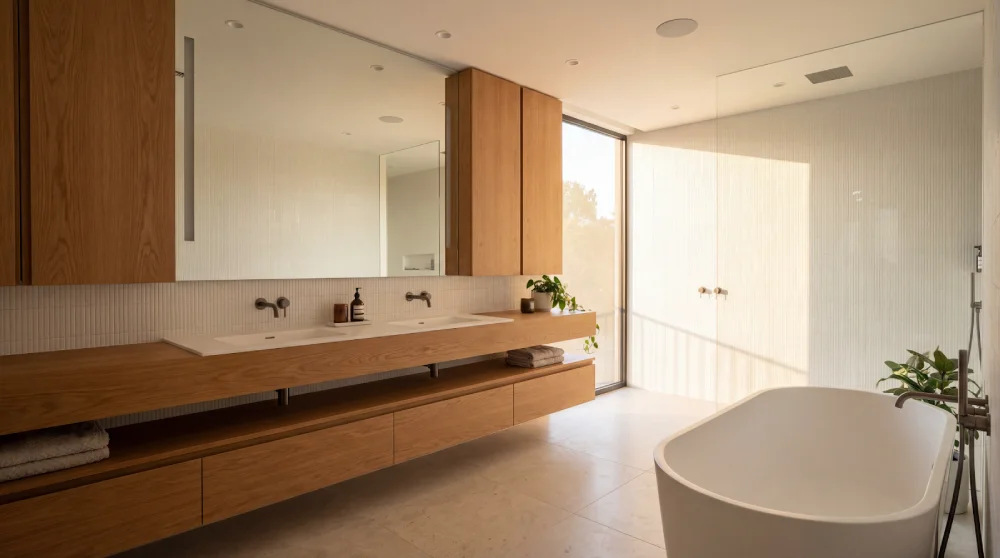
Gone are the days when kitchen cabinets needed to match perfectly. Mixed material combinations—natural wood paired with metallic hardware, matte finishes alongside glossy accents—create visual depth that uniform cabinetry can't achieve.
This trend moves beyond simple color variation. Textured wood grains contrast with sleek contemporary surfaces. Brass and copper hardware warm up cooler chrome finishes. The layering creates dimension that makes kitchens feel curated rather than catalog-ordered.
Sustainable Material Integration
Incorporating reclaimed wood or eco-friendly composites into mixed material designs addresses environmental concerns while adding authentic character. Custom cabinet makers increasingly source these materials for clients seeking unique, sustainable options. These materials bring history and texture that new components lack, supporting both aesthetic and sustainability goals in a single design choice.
| Material Combination | Visual Effect | Best Application |
| Wood + Metallic Hardware | Warm traditional meets modern | Full kitchen, focal island |
| Matte + Glossy Finishes | Subtle contrast, sophisticated | Upper vs. lower cabinets |
| Textured + Smooth Surfaces | Tactile interest, artisanal feel | Feature walls, islands |
| Reclaimed Wood + New Materials | Historic character, eco-conscious | Accent pieces, shelving |
Enhanced Shaker Styles with Textured Surfaces
Traditional shaker cabinets aren't disappearing—they're evolving. Slim shaker doors with narrower frames create cleaner lines that suit contemporary spaces, particularly in smaller kitchens and walk-in pantries where visual simplicity matters.
What's new is the addition of textured surfaces. Fluted and reeded patterns add vertical dimension and handcrafted appeal that flat panels lack. These details transform standard cabinets into furniture-like statement pieces.
Profiled Doors and Decorative Details
Nuanced profiling with decorative beading and custom grooves creates personalized aesthetics that move beyond builder-grade options. When paired with modern hardware and mixed metals, these dimensional elements deliver layered visual interest.
Natural wood finishes with textured grain patterns enhance the artisanal quality of elevated shaker designs. A skilled cabinet maker can customize these details to match your vision.This combination of traditional craftsmanship and contemporary sensibility dominates high-end custom remodels where homeowners want timeless sophistication without dated styling.
Two-Tone Designs Create Visual Balance
Two-tone kitchens remain one of the strongest trends for 2025, combining bold design with practical benefits. Dark lower cabinets paired with white or light uppers deliver the most popular configuration—and for good reason.
The darker base conceals wear and tear in high-traffic areas where spills and scuffs accumulate. Lighter upper cabinets keep the space feeling open and prevent the kitchen from becoming visually heavy. This isn't just aesthetics—it's functional design.
Popular Color Combinations
- White uppers with navy or rich blue lowers - Classic contrast that adds depth without overwhelming
- Light wood uppers with matte black lowers - Contemporary edge with natural warmth
- Cream uppers with forest green lowers - Earthy sophistication that feels current
- Gray uppers with walnut-stained lowers - Neutral base with organic grounding
Contrasting textures amplify two-tone designs further. Smooth painted uppers paired with fluted or reeded lowers add dimensional interest that single-finish cabinets can't achieve.
Handleless Innovations for Seamless Aesthetics
Handleless cabinetry eliminates visible hardware completely, creating kitchens that feel integrated rather than assembled. Push-to-open technology with advanced sensors detects hand movements and triggers cabinet doors without knobs or pulls breaking the visual plane.
The benefits extend beyond aesthetics. Smooth surfaces eliminate the dirt accumulation that collects around traditional hardware. Matte finishes resist fingerprints better than glossy alternatives. The absence of protruding handles also prevents accidental bumps—a real consideration in family kitchens.
Functional Design Options
Recessed grip channels along cabinet edges create natural hand placement areas through shadow gaps. These subtle indentations provide the tactile feedback users need without compromising the minimalist appearance. Integrated finger pulls offer similar functionality while maintaining clean lines.
Professional cabinet installation ensures handleless mechanisms work properly, and maintenance demands drop significantly with these designs. No crevices mean no dirt traps, and the simplified surfaces clean with a single wipe-down. For homeowners prioritizing both contemporary style and practical upkeep, this trend delivers on both fronts.
Hybrid Storage Solutions Balance Display and Function
The open shelving trend that dominated kitchen design is evolving into more practical hybrid layouts. While homeowners appreciate the airy aesthetic of exposed storage, the maintenance demands and visible clutter proved unsustainable for most households.
Glass-front cabinets now appear in 42% of kitchen remodels, offering the visual openness of shelving with dust protection and organization benefits. These translucent cabinets balance display functionality with practical storage—you showcase curated dishware while concealing everyday clutter.
Strategic Combination Approaches
Rather than committing entirely to one storage type, 68% of homeowners now prefer balanced layouts that mix open and closed solutions. Floating shelves above countertops display frequently used items, while lower cabinetry conceals appliances and supplies.
This layered approach reduces stress and supports the minimalist aesthetic homeowners want without requiring constant organization. Frosted or textured glass options provide privacy for less curated contents while maintaining visual lightness throughout the space.
Sustainable Materials and Durable Construction
Environmental consciousness is driving material selection in 2025 cabinetry. Reclaimed wood, recycled metals, and sustainably sourced options like bamboo reduce environmental impact while providing authentic character that new materials can't replicate.
Durability matters as much as sustainability. Modular construction allows homeowners to repair and replace individual components without replacing entire cabinet runs. This approach significantly reduces waste and expense over the cabinet's lifespan.
Low-VOC Finishes and Responsible Sourcing
Water-based coatings and low-VOC finishes protect surfaces while maintaining indoor air quality—a critical consideration in homes where kitchens connect directly to living spaces. FSC-certified hardwoods like white oak and walnut deliver strength while ensuring responsible forestry practices.
Locally sourced cabinetry supports regional economies while reducing transportation-related carbon emissions. These choices enable homeowners to create personalized spaces that reflect environmental values without compromising on quality or longevity.
Conclusion
The cabinet trends defining 2025 reflect a shift toward warmth, practicality, and environmental responsibility. Earthy color palettes create welcoming spaces that age gracefully. Two-tone designs and mixed materials add visual depth without overwhelming. Handleless innovations deliver both seamless aesthetics and easier maintenance.
Hybrid storage solutions balance display with function, while sustainable materials ensure your investment supports both your household and the environment. These aren't fleeting trends—they're design principles that prioritize how you actually live in your kitchen.
Ready to explore cabinet options for your remodel?
Contact CabStone, a cabinetry and flooring contractor to discuss materials, finishes, and configurations that match your style and functional needs. Our team brings hands-on cabinet installation experience to every design conversation.
Frequently Asked Questions
Should I choose two-tone cabinets or stick with one color?
Two-tone designs work well in most kitchens, especially if you want visual interest without pattern or texture. Dark lower cabinets hide wear better than light colors, while light uppers prevent the space from feeling heavy. If your kitchen is very small (under 100 sq ft), a single light color might make the space feel larger.
Are handleless cabinets hard to open when your hands are wet or full?
Modern push-to-open mechanisms are sensitive enough to respond to elbow or hip pressure, making them practical even when your hands aren't free. Recessed grip channels provide alternative opening methods without visible hardware. Most homeowners adjust within days and prefer the streamlined look and easier cleaning.
Will earthy cabinet colors look dated in five years?
Earth tones have staying power because they're rooted in natural materials rather than fashion trends. Unlike bold accent colors, terracotta, olive, and warm wood tones adapt to changing decor and lighting conditions. They're more likely to age gracefully than stark white or trendy jewel tones that feel tied to specific eras.
Is reclaimed wood actually durable enough for kitchen cabinets?
Properly treated reclaimed wood often outlasts new materials because it's already survived decades of environmental exposure. The wood has stabilized—it's done its warping and settling. When sourced and finished correctly, reclaimed materials provide authentic character with proven durability. Just ensure your fabricator properly treats and seals the wood for kitchen moisture conditions.
Do glass-front cabinets require more organization than solid doors?
Yes, but strategically. Use glass-front cabinets only where you're willing to maintain organization—typically for dishware, glassware, or cookbooks you use regularly. Reserve solid doors for areas storing mismatched containers, small appliances, or bulk items. This selective approach gives you the display benefits without requiring perfect organization throughout your entire kitchen.