What to Expect From Professional Flooring Installation: Complete Process, Benefits, Costs, and Contractor Selection
A perfectly executed home flooring installation elevates both aesthetics and home value by combining technical precision with design insight. In this flooring installation techniques guide, you’ll discover why professional installers deliver superior durability, how each installation phase unfolds, what budget factors to anticipate, and the criteria for selecting Boston North’s most reliable flooring experts. This article seamlessly integrates our expertise at Cabstone.us, your design build home contractor, outlining step-by-step methods, providing detailed pricing breakdowns, and equipping you to choose a contractor who ensures a stress-free renovation—from consultation through care instructions.
Choosing Professional Flooring Installation
Professional flooring installation unites skilled workmanship with proven processes to deliver lasting performance and refined aesthetics. Relying on experienced installers ensures that each flooring type—from hardwood to luxury vinyl plank—meets exacting standards in alignment, finish, and longevity.
Expertise and Precision Provided by Professional Installers
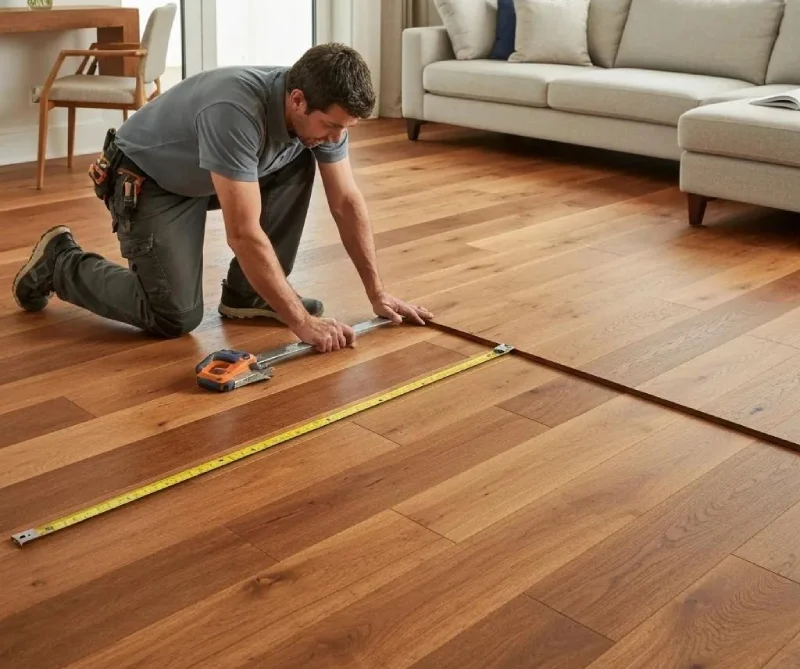
Professional installers possess specialized training, advanced tools, and material-specific knowledge to guarantee accurate cuts, seamless transitions, and consistent alignment.
- They calibrate cutting equipment for tight-fitting joints that prevent gaps and movement.
- They apply precise leveling techniques to address subfloor irregularities before laying new flooring.
- They adjust installation methods—nail-down, glue-down, or floating—according to material requirements and room usage.
This attention to detail leads into the next benefit by ensuring the surface remains stable under foot traffic and environmental changes.
Quality and Durability Ensured by Professional Installation
Quality installation combines proper subfloor preparation, precise acclimation, and controlled adhesive or fastener application to reinforce floor stability.
- Subfloor Moisture Testing and Mitigation
- Surface Leveling to ±1/8" per 6 feet
- Use of Industry-Approved Adhesives or Fasteners
By addressing moisture and level discrepancies up front, professionals prevent warping, cupping, and premature wear—laying the foundation for flooring that withstands daily use and seasonal shifts.
The Impact of Professional Flooring Installation on Longevity and Durability
Professional flooring installation significantly enhances the longevity and durability of floors by ensuring precision in every cut, seam, and joint, which contributes to the structural integrity and prevents premature wear. Expert installers possess specialized knowledge of various materials and adhere to manufacturer guidelines, tailoring techniques to maximize the lifespan of the flooring. This meticulous approach, including proper subfloor preparation, ensures the floor remains stable and aesthetically pleasing for years.
This research directly supports the article's claims regarding the superior durability and lasting performance achieved through professional flooring installation, emphasizing precision, material knowledge, and adherence to guidelines.
Time and Efficiency Advantages of Professional Installation
Professional teams streamline project timelines by coordinating material delivery, staging tasks, and deploying crews trained for multi-step workflows.
- Pre-installation site audits identify potential delays, minimizing last-minute adjustments.
- Multi-crew operations allow parallel tasks—such as subfloor prep and material cutting—to reduce total duration.
- Post-installation inspections avoid callbacks by resolving minor issues immediately.
These efficiency gains shorten disruption and transition directly into understanding how warranties further protect your investment.
How Warranties Protect Your Flooring Investment
Professional installation often includes a workmanship warranty that complements manufacturer guarantees to ensure comprehensive protection.
| Coverage Type | Provider | Typical Duration | Key Protection |
| Workmanship Warranty | Installer | 1–5 years | Installation defects, loose boards |
| Manufacturer Product Warranty | Flooring Manufacturer | 10–Lifetime | Material defects, discoloration |
Customization and Design Options Available
Tailored flooring solutions from experienced professionals encompass species selection, plank width, finish sheen, and layout patterns to achieve personalized aesthetics.
- Exotic and domestic hardwood species offer varied grain textures and color palettes.
- Wide-plank and hand-scraped finishes create rustic or contemporary character.
- Herringbone, chevron, and custom inlays introduce architectural interest.
This flexibility ensures your floor aligns with design aspirations while maintaining proven installation standards.
The Professional Flooring Installation Process: A Step-by-Step Guide
Professional installation follows a structured sequence of phases—each building on the previous to secure optimal results. Understanding these steps clarifies how expert teams deliver consistent quality.
Initial Consultation and Planning
- On-site measurement and condition evaluation
- Discussion of preferred materials, finishes, and patterns
- Review of subfloor status and preparatory needs
- Drafting a project proposal with cost estimates
By aligning expectations early, installers reduce risks of scope creep and ensure materials arrive ready for precise acclimation.
Material Selection and Acclimation
Material selection balances aesthetics, performance requirements, and environmental conditions, while acclimation allows flooring to adjust to room temperature and humidity.
| Material Type | Acclimation Period | Benefit |
| Solid Hardwood | 3–7 days | Stabilizes moisture content |
| Engineered Wood | 48–72 hours | Minimizes dimensional changes |
| Luxury Vinyl Plank (LVP) | 24–48 hours | Prevents adhesive bond failures |
| Ceramic & Porcelain Tile | No acclimation | N/A |
Proper acclimation mitigates expansion or contraction issues, forming the basis for achieving flawless installation.
Subfloor Preparation for Optimal Results
Subfloor preparation involves cleaning, leveling, and moisture testing to create a uniform base.
- Removal of old adhesives and debris clears the surface.
- Application of self-leveling compounds ensures flatness within tolerance.
- High-precision moisture meters quantify substrate moisture for mitigation.
These measures establish a stable foundation that directly influences flooring longevity and appearance.
The Importance of Proper Subfloor Preparation for Flooring Longevity
Proper subfloor preparation is a critical step in any flooring installation, as it directly impacts the longevity and performance of the finished floor. An adequately prepared subfloor ensures a smooth, level, and stable foundation, preventing issues such as creaking, gaps, buckling, and premature wear. Addressing moisture levels and ensuring flatness within tolerance are essential measures that establish a stable base, crucial for the flooring to withstand daily use and maintain its appearance over time.
This citation reinforces the article's section on subfloor preparation, highlighting its fundamental role in preventing common flooring issues and ensuring the long-term stability and appearance of the installed floor.
Installation Day Procedures
On floor installation day, crews execute the layout plan, cut and fit materials, and secure flooring according to selected methods.
- Layout verification with chalk lines or laser guides
- Precision cutting using wet saws or table saws for clean edges
- Adhesive application or fastening sequence to anchor flooring
- Progressive installation from least conspicuous areas toward focal points
Coordinated workflows minimize downtime and transition smoothly to finishing steps.
Finishing Touches and Cleanup
Finishing touches include trim installation, transition strip placement, and surface protection measures.
- Quarter-round and baseboards conceal expansion gaps.
- Transition strips bridge flooring types at doorways.
- Protective coverings safeguard new floors during final site cleaning.
A thorough cleanup restores living spaces and sets the stage for the final client review.
Final Walk-Through and Care Instructions
During the final walk-through, installers guide you through floor maintenance protocols, recommended cleaning products, and warranty registration processes. They confirm satisfaction with installation quality, address minor adjustments, and leave you equipped to preserve floor beauty and performance.
Flooring Installation Costs: A Detailed Pricing Breakdown
Professional installation cost reflects material choices, labor complexity, subfloor requirements, and regional market rates. A detailed breakdown clarifies budget planning.
Factors Influencing Flooring Installation Costs
Installation costs vary according to multiple attributes:
- Material grade and species or product line
- Labor intensity for cutting, pattern layouts, and custom inlays
- Extent of subfloor repair, leveling, or moisture mitigation
- Room size, shape complexity, and access constraints
- Local labor rates and permit requirements in Boston North region
These factors combine to determine the final investment needed for a high-quality flooring project.
Average Cost Ranges by Flooring Type
| Flooring Type | Cost per Square Foot | Key Considerations |
| Solid Hardwood | $8–$15 | Species, finish, site-fitted vs. prefinished |
| Engineered Wood | $6–$12 | Core material, veneer thickness |
| Luxury Vinyl Plank | $4–$8 | Wear layer, waterproof capabilities |
| Ceramic & Porcelain Tile | $5–$10 | Grout lines, subfloor reinforcement |
| Carpet | $3–$7 | Pile height, density, padding quality |
How Location Affects Installation Pricing in Boston North
Boston North’s colder climate and older building stock can elevate subfloor preparation needs and acclimation periods. Local labor rates reflect regional demand for skilled installers, while permit fees and code compliance add modest overhead. Factoring these local variables ensures accurate cost projections and avoids unexpected expenses.
Choosing the Right Flooring Installer in Boston North
Selecting qualified flooring contractors involves verifying credentials, assessing experience, and evaluating communication and reliability. This decision directly impacts project quality, timeline, and satisfaction.
Key Qualities to Look for in a Flooring Contractor
- Valid licensing and comprehensive insurance coverage
- Minimum 5–10 years of experience with diverse flooring materials
- Positive client testimonials and portfolio of completed projects
- Clear project proposals outlining scope, schedule, and payment terms
- Responsive communication and transparent change-order protocols
Prioritizing these qualities leads to a partnership built on trust and predictable outcomes.
The Importance of Local Expertise for Flooring Installation
Local experts understand Boston North’s seasonal humidity shifts, historic subfloor conditions, and building code requirements. Their familiarity with area suppliers accelerates material delivery, while established relationships with inspectors streamline approvals. This localized insight reinforces installation quality and reduces administrative delays.
Verifying Installer Credentials and Customer Feedback
Verify your flooring installation contractor credentials by requesting copies of trade licenses, bonding certificates, and insurance policies. Review online ratings on local review platforms and request homeowner references for in-person insights. Confirm that past clients report satisfaction with adherence to schedules, workmanship standards, and post-installation support.
Flooring Installation Warranty Coverage: Understanding Your Protection
A clear warranty structure ensures peace of mind by delineating responsibilities for material defects and workmanship issues. Understanding coverage scope and processes empowers proactive maintenance and claims resolution.
The Difference Between Manufacturer and Installer Warranties
Manufacturer warranties cover inherent defects in flooring products—such as wear layer breakdown or finish separation—while installer warranties address installation-related concerns like loose boards or misaligned seams. Combining both ensures holistic protection against material and application issues.
Understanding Flooring Warranties: Manufacturer vs. Installer Coverage
Flooring warranties typically consist of two main types: manufacturer product warranties and installer workmanship warranties. Manufacturer warranties cover inherent defects in the flooring material, such as wear layer breakdown or finish separation, often lasting 10 years to a lifetime. Installer warranties, on the other hand, address issues arising from the installation process itself, like loose boards or misaligned seams, usually for a duration of 1 to 5 years. Both provide complementary protection, safeguarding against material flaws and application errors.
This citation clarifies the distinct roles of manufacturer and installer warranties, directly supporting the article's explanation of how these dual layers of protection safeguard a homeowner's flooring investment.
Common Warranty Coverage and Exclusions
| Warranty Type | Coverage | Common Exclusions |
| Installer Workmanship | Gaps, loose boards, uneven surfaces | Damage from improper maintenance, water leaks |
| Manufacturer Product | Excessive wear, finish peeling | Staining, scratching, natural expansion |
How Warranty Claims Can Be Made and Managed
To initiate a warranty claim, document installation date, photograph the issue, and submit a detailed description to the installer or manufacturer. Most providers require inspection within the warranty period and may request site visits. Prompt reporting and adherence to recommended care instructions streamline claim approval.
Benefits of Professional Flooring Installation
Professional flooring installation delivers tangible value beyond mere aesthetics by enhancing floor performance, safety compliance, and homeowner convenience.
How Professional Installation Enhances Floor Longevity and Performance
Expert installers use precise acclimation, moisture control, and fastening methods to minimize movement, preventing gaps, warping, and premature wear. Properly installed floors maintain surface integrity under heavy traffic, ensuring that investment in premium materials yields maximum service life.
Safety and Compliance Standards Followed by Professionals
Certified installers adhere to local building codes, fire safety regulations, and OSHA guidelines during installation. They use low-VOC adhesives, ensure proper ventilation, and maintain site cleanliness to reduce health risks and meet insurance and inspection requirements.
How Professional Installation Provides a Stress-Free Experience
From transparent project proposals to coordinated material delivery and on-site management, professional teams manage every detail—scheduling, inspections, cleanup—so homeowners and builders can focus on design choices without operational headaches. This turnkey approach ensures confidence and satisfaction from the first consultation through final walkthrough.
Conclusion
A seamless flooring installation not only transforms your space but also exemplifies lasting value when executed by skilled professionals. With clear process steps, comprehensive warranties, and transparent cost structures, CabStone guides Boston North homeowners and builders to confident project planning and superior results. Trust in a professional flooring company with precise expertise, quality materials, and dedicated customer care to deliver floors that stand the test of time. Book a consultation or visit our showroom today with CabStone to begin your flooring journey.
Frequently Asked Questions
What is the typical cost of professional flooring installation?
The cost of professional flooring installation varies significantly based on the type of flooring, the complexity of the job, and your location. Generally, you can expect to pay anywhere from $4 to $15 per square foot, with some specialty materials or intricate designs costing more. This typically includes labor and basic preparation, but extensive subfloor repair or removal of old flooring can add to the cost.
How long does professional flooring installation usually take?
The duration of professional flooring installation depends on the size of the area, the type of flooring, and the complexity of the installation. A small room might take a day or two, while a larger home could take several days to a week or more. Factors like subfloor preparation, intricate patterns, and the number of installers can also affect the timeline.
Do I need to prepare my subfloor before professional installation?
While professional installers will handle subfloor preparation, it's good to be aware of what's involved. They will typically clean, level, and ensure the subfloor is dry and stable. If there are significant issues like major damage, unevenness, or moisture problems, additional preparation or repair might be needed, which could incur extra costs.
What is acclimation, and why is it important for flooring?
Acclimation is the process of allowing flooring materials to adjust to the temperature and humidity levels of the room where they will be installed. This is crucial for materials like hardwood and engineered wood to prevent expansion or contraction issues after installation, which can lead to gaps, buckling, or warping.
What's the difference between a manufacturer's warranty and an installer's warranty?
A manufacturer's warranty typically covers defects in the flooring material itself, such as wear, fading, or manufacturing flaws. An installer's warranty, often called a workmanship warranty, covers issues related to the installation process, like loose boards, uneven seams, or improper fitting.
Can professional installers handle custom flooring designs?
Yes, many professional flooring installers are skilled in executing custom designs, including intricate patterns like herringbone or chevron, custom inlays, and unique layouts. It's important to discuss your design ideas during the initial consultation to ensure the installer has the expertise and capability to bring your vision to life.
What should I look for when choosing a flooring contractor?
When choosing a flooring contractor, look for valid licensing and insurance, a minimum of 5-10 years of experience, positive client testimonials and a strong portfolio, clear and detailed project proposals, and responsive communication. Local expertise and a good understanding of your specific needs are also vital.
How does subfloor preparation affect the final flooring outcome?
Proper subfloor preparation is critical for the longevity and appearance of your new floor. A well-prepared subfloor ensures the flooring is level, stable, and free from moisture issues, which prevents problems like creaking, gaps, buckling, and premature wear. It's the foundation for a durable and beautiful floor.
What are the benefits of hiring professionals for flooring installation?
Hiring professionals ensures expertise, precision, and efficiency, leading to a higher quality installation that enhances durability and aesthetics. They have the right tools, knowledge of materials, and understanding of best practices, which minimizes risks, saves time, and often comes with a workmanship warranty for peace of mind.
What happens during the final walk-through after installation?
During the final walk-through, the installer will review the completed work with you, ensuring you are satisfied with the installation. They will also provide essential care and maintenance instructions, explain warranty details, and address any minor touch-ups or adjustments needed. It's your opportunity to ask questions and confirm everything meets your expectations.