Durability Showdown: How Hardwood and Laminate Flooring Stack Up Over Time for Boston North Homes
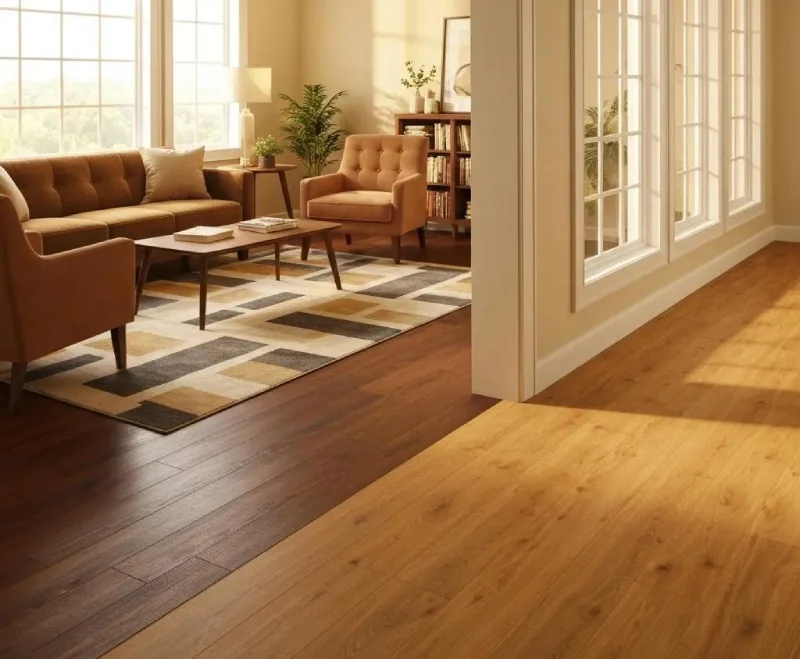
Choosing the right floor installation demands balancing long-term performance against budget and lifestyle needs. Understanding the key differences between hardwood and laminate flooring installation costs and durability can save Boston North homeowners thousands over decades. In this durability showdown, we explore how natural wood planks stack up against engineered laminate sheets across durability, cost, installation, maintenance, lifespan, and resale value. You’ll learn which surface best withstands scratches, how local climate shapes performance, and why selecting the right professional installation and care strategy—like those provided by Cabstone—determines your floor’s lasting appeal. This article covers:
- Core durability metrics and ratings
- Cost comparisons over time
- Installation pros and cons
- Lifespan and refinishing options
- Resale value impact in Boston North
- Maintenance requirements
- Aesthetic and comfort differences
Hardwood vs. Laminate Durability
Durability describes a flooring material’s ability to resist wear, impact, and damage under everyday use. Comparing hardwood’s natural hardness measured on the Janka scale with laminate’s engineered AC rating reveals distinct strengths: hardwood offers refinishable longevity while laminate delivers high scratch resistance at a lower cost. Evaluating these ratings helps Boston North homeowners choose the ideal surface for high-traffic areas or moisture-prone spaces.
Meaning of Durability for Hardwood and Laminate Flooring
Durability defines how well a floor resists scratches, dents, abrasion, moisture damage, and color fading over time. Hardwood’s durability stems from solid wood density and the ability to sand out wear, while laminate relies on a protective wear layer fused over a fiberboard core. For families and builders in Boston North, choosing the right durability profile ensures floors remain attractive and functional through seasonal humidity shifts and heavy foot traffic.
Janka Hardness Scale for Hardwood Durability
Wood Species
This scale helps Boston North homeowners select species suited to their lifestyle, guiding decisions from living rooms to workshops.
The Janka Hardness Test for Wood Durability
The Janka hardness test, named after its creator Gabriel Janka, measures a wood's resistance to denting and wear. This test determines the force required to embed an 11.28-millimeter-diameter steel ball halfway into a wood sample, providing a crucial metric for evaluating a wood species' suitability and durability for flooring applications.
This research directly supports the article's explanation of how the Janka hardness scale measures hardwood durability and its relevance for flooring selection.
AC Rating and Laminate Durability
- AC1: Low traffic, bedrooms
- AC3: Residential living areas
- AC4: Commercial offices, moderate wear
- AC5: Heavy commercial zones
Understanding AC ratings helps local builders specify laminate types that withstand family life and seasonal moisture without compromising aesthetics.
Understanding Laminate Flooring AC Ratings and Durability
The Abrasion Class (AC) rating is an internationally recognized standard (EN 13329) developed by the European Producers of Laminate Flooring (EPLF). This rating system assesses laminate flooring's resistance to abrasion, impact, and staining, with a scale from AC1 (light residential) to AC5 or AC6 (heavy commercial), indicating its suitability for various traffic levels and environments.
This citation verifies the information presented in the article regarding the AC rating system and its significance in determining laminate flooring durability.
Resistance to Scratches, Dents, and Moisture
Both flooring types employ distinct mechanisms to combat damage. Hardwood’s dense wood fibers absorb impact but dent under heavy loads, while laminate’s wear layer repels scratches yet can delaminate if water seeps in.
| Feature | Hardwood Flooring | Laminate Flooring |
| Scratch Resistance | Moderate; can be sanded and refinished | High; protective top layer resists abrasion |
| Dent Resistance | High on dense species; vulnerable on soft | Moderate; fiberboard core can compress under impact |
| Moisture Tolerance | Sensitive to standing water; expands | Better water resistance; edge locking options |
Combining these attributes with proper installation and underlayment ensures floors perform reliably in Boston North’s variable climate.
Impact of Local Boston North Climate on Flooring Durability
- Winter indoor dryness requires humidifiers for hardwood
- Summer humidity demands underlayments with moisture barriers
- Near-coastal homes benefit from water-resistant laminate options
Adapting installation methods to local conditions preserves floor integrity and minimizes cupping, gaps, or warping.
Cost Comparison Over Time: Hardwood vs. Laminate Flooring
Analyzing upfront and lifetime expenses clarifies which option offers the best investment. Hardwood demands higher material and labor costs initially but can be refinished, extending its service life. Laminate’s lower installation expense trades off for eventual full replacement when wear surpasses its lifespan. Understanding total cost of ownership empowers Boston North homeowners to align flooring budgets with desired longevity.
Material and Installation Costs for Hardwood vs. Laminate
- Hardwood materials: $3–$15 per ft²
- Hardwood installation: $6–$18 per ft²
- Laminate materials: $1–$7 per ft²
- Laminate installation: $2–$8 per ft²
These figures illustrate how laminate can cost as little as one-third of hardwood upfront, making it attractive for budget-sensitive projects.
Long-Term Maintenance and Replacement Costs
| Expense Type | Hardwood Flooring | Laminate Flooring |
| Refinishing Cycle | $3–$7 per ft² every 7–10 years | Not refinishable; replace worn planks |
| Replacement Frequency | Every 50–100 years | Every 15–25 years |
| Expected Lifetime Cost | $20–$30 per ft² over 50 years | $9–$15 per ft² over 25 years |
Over decades, hardwood’s ability to renew its surface can yield comparable or lower total cost per year than laminate in high-use areas.
Best Value for Boston North Homeowners
Assessing local market rates and housing trends reveals that hardwood often adds premium appeal, boosting resale prices more than laminate. Laminate suits quick renovations or rental properties where upfront savings and ease of installation outweigh long-term refinement costs.
Budget Impact on Flooring Choice
- Allocate more to hardwood for lasting value and refinishing potential.
- Opt for high-AC laminate in high-traffic zones to preserve capital.
- Combine materials—hardwood in living areas and laminate in basements—to maximize performance per dollar.
Searching for flooring contractors near me and integrating professional guidance from Cabstone.us ensures budgets align with project goals and long-term flooring performance.
Installation Pros and Cons: Hardwood vs. Laminate Flooring
Floor installation complexity influences labor costs, timeline, and performance. Hardwood installation typically involves nailing or gluing solid wood planks, requiring precise subfloor prep and acclimation. Laminate’s floating click-lock system simplifies DIY fits but relies on perfect moisture barriers. Comparing these processes helps homeowners decide when to invest in professional installation for guaranteed results.
Installation Complexity Comparison
- Hardwood steps: subfloor leveling, acclimation, nailing/gluing, sanding and finishing
- Laminate steps: moisture barrier, underlayment, click-lock assembly
Choosing proper installation method ensures flooring performs as designed and preserves manufacturer warranties.
DIY Laminate Flooring Installation
Yes, laminate’s interlocking planks facilitate DIY installation without specialized equipment. Homeowners can save on labor by planning layouts, using jigsaws for cuts, and maintaining consistent expansion gaps. Proper underlayment selection and edge sealing remain critical to prevent moisture intrusion and plank separation.
When to Hire Professionals for Installation
- Hardwood flooring requires sanding and finishing on site
- Subfloor elevation or moisture mitigation exceeds DIY expertise
- Large rooms demand precise plank alignment to avoid visible seams
- Complex patterns or transitions to other surfaces are involved
A professional flooring contractor from Cabstone guarantees structural integrity, adherence to local building codes, and seamless finishes.
Subfloor Preparation Differences
Subfloor preparation underpins long-term performance. Hardwood needs moisture content below 12% and a flat surface within 3/16" over 10 feet. Laminate requires an even, clean concrete or plywood base with an integrated moisture barrier and underlayment. This foundation step prevents warping, squeaking, and warranty issues.
Lifespan and Longevity: Hardwood vs. Laminate Floors
Flooring lifespan reflects both inherent durability and maintenance strategy. Solid hardwood, when refinished periodically, can endure multiple generations, while laminate relies on initial wear layer thickness and underlayment quality. Understanding lifespan expectations helps Boston North homeowners plan renovations and budget for eventual replacements.
Typical Lifespan of Hardwood Flooring
Hardwood can serve 50–100 years when refinished every 7–10 years. Species, finish type, and environment influence longevity:
- Solid oak or maple resists wear in busy households.
- Engineered hardwood offers dimensional stability in basements.
- Durable finishes like aluminum oxide extend intervals between refinishing.
Periodic sanding restores surface integrity, keeping floors looking new through decades.
Typical Lifespan of Laminate Flooring
Laminate typically remains functional for 15–25 years, depending on AC rating and installation quality. Heavy-duty AC4 or AC5 products in commercial settings can approach the upper end of that range if moisture is controlled and underlayment cushions impact.
Refinishing Hardwood Floors to Extend Life
Yes, solid hardwood can be refinished multiple times to remove surface damage and renew its appearance. Each sanding removes up to 1/16" of wood, making it possible to refinish 5–7 times over the floor’s life, effectively resetting wear patterns and scratches.
Why Laminate Floors Cannot Be Refinished
Laminate lacks solid wood layers; it uses a printed decorative film beneath a clear wear layer. Once that wear layer is compromised, sanding would expose the core material, causing uneven color and texture. Replacement of individual planks is the only remedy.
Tips to Extend Lifespan of Both Flooring Types
- Use breathable area rugs in entryways to collect grit
- Install humidity controls between 30–50% year-round
- Trim pet nails regularly to prevent scratches
- Clean spills promptly using manufacturer-approved solutions
These practices reduce wear and preserve both hardwood’s refinishability and laminate’s protective wear layer.
Impact on Home Resale Value in Boston North: Hardwood vs. Laminate
Flooring choice significantly influences buyer perceptions and property value. Hardwood often commands a premium, signaling quality craftsmanship and timeless style. Laminate appeals to cost-conscious buyers seeking low-maintenance solutions. Evaluating local market preferences helps homeowners maximize ROI on their flooring investment.
Hardwood Flooring's Impact on Property Value
Hardwood typically boosts resale prices by up to 10%, with new installations returning 100–120% of cost in higher-end markets. Its timeless appeal and ability to refinish attract discerning buyers who seek long-term quality in Boston North homes.
Buyer Perception of Laminate Flooring
Buyers view laminate as a practical, budget-friendly option for rental or transitional properties. High-quality laminate with realistic wood visuals can enhance appeal but generally does not carry the same prestige or ROI as genuine hardwood.
Return on Investment (ROI) for Hardwood vs. Laminate Flooring
| Flooring Type | Installation Cost (per ft²) | Average ROI (%) | Typical Appeal Segment |
| Hardwood | $9–$33 | 100–120 | Luxury and mid-market homes |
| Laminate | $3–$15 | 60–80 | First-time buyers, rentals |
This comparison highlights how additional upfront investment in hardwood can yield stronger resale returns in established neighborhoods.
Impact of Flooring on Home Resale Value and Lifespan
Hardwood flooring can significantly enhance a home's resale value, with reports indicating a 100-120% return on investment for new installations and up to 147% for refinishing. Properly maintained hardwood floors can last 50-100 years or more, while laminate flooring typically has a lifespan of 15-25 years, depending on quality and maintenance.
This research supports the article's claims about the long-term financial benefits and expected lifespans of hardwood and laminate flooring, influencing homeowner investment decisions.
Influence of Flooring Choice on Marketability
Selecting flooring that aligns with neighborhood standards and target buyers elevates a property’s presentation:
- Hardwood in formal living and dining areas conveys sophistication.
- Waterproof laminate in basements or mudrooms reassures durability.
- Coordinated finishes across adjacent rooms create cohesive design flow.
Strategic flooring choices ensure broad buyer appeal and faster sales.
Conclusion
Hardwood and laminate flooring solutions each deliver unique advantages in durability, cost, installation complexity, lifespan, resale value, maintenance demands, and sensory experience. Evaluating these factors in light of Boston North’s climate and market trends empowers homeowners and builders to select the flooring solution that best balances performance, aesthetic appeal, and long-term value. For expert guidance tailored to your project, schedule a consultation with our home remodeling company north Boston or visit the CabStone showroom to explore premium hardwood and laminate options. Thank you for trusting CabStone with this durability showdown to inform your flooring decision.
Frequently Asked Questions
Is hardwood flooring more durable than laminate?
Hardwood is durable due to its solid wood construction and ability to be refinished, but it can dent and scratch. Laminate offers superior scratch resistance due to its wear layer but cannot be refinished and can be damaged by excessive moisture.
Which flooring is better for high-traffic areas: hardwood or laminate?
For high-traffic areas, a high-AC rated laminate (AC4 or AC5) often provides better scratch and wear resistance than many hardwood species. However, hardwood's ability to be refinished means it can be restored if significant wear occurs over time.
Can laminate flooring be refinished like hardwood?
No, laminate flooring cannot be refinished. It has a decorative layer that would be damaged by sanding. If the wear layer is compromised, the planks typically need to be replaced.
How does the Janka hardness scale relate to hardwood durability?
The Janka hardness scale measures the resistance of wood species to denting and wear. Higher Janka ratings indicate harder, more durable wood species that are better suited for flooring, especially in high-traffic areas.
What does the AC rating mean for laminate flooring durability?
The AC (Abrasion Class) rating indicates laminate flooring's resistance to abrasion, scratching, and impact. Ratings range from AC1 (light residential use) to AC5/AC6 (heavy commercial use), with higher numbers signifying greater durability.
Which flooring type is more resistant to moisture damage?
Laminate generally offers better resistance to surface moisture than hardwood, especially newer waterproof or water-resistant varieties. However, prolonged exposure to standing water can still damage laminate, causing swelling or delamination.
What is the typical lifespan of hardwood flooring compared to laminate?
Hardwood flooring, when properly maintained and refinished, can last 50-100 years or more. Laminate flooring typically lasts 15-25 years, depending on its quality, AC rating, and the level of traffic and care it receives.
Does hardwood flooring add more to home resale value than laminate?
Yes, hardwood flooring generally adds more to a home's resale value than laminate. It's often perceived as a premium feature that appeals to a wider range of buyers and signals long-term quality.
Are there specific installation considerations for Boston North's climate?
Yes, Boston North's climate, with its dry winters and humid summers, requires attention. Hardwood may need humidification in winter, while both types benefit from proper underlayments with moisture barriers, especially in basements or near coastal areas.
Which flooring is more cost-effective over the long term?
While laminate has a lower upfront cost, hardwood's ability to be refinished multiple times can make it more cost-effective over its much longer lifespan, especially in high-traffic areas where laminate might need replacement sooner.