The Ultimate Guide to Choosing Kitchen & Bathroom Countertops in 2025
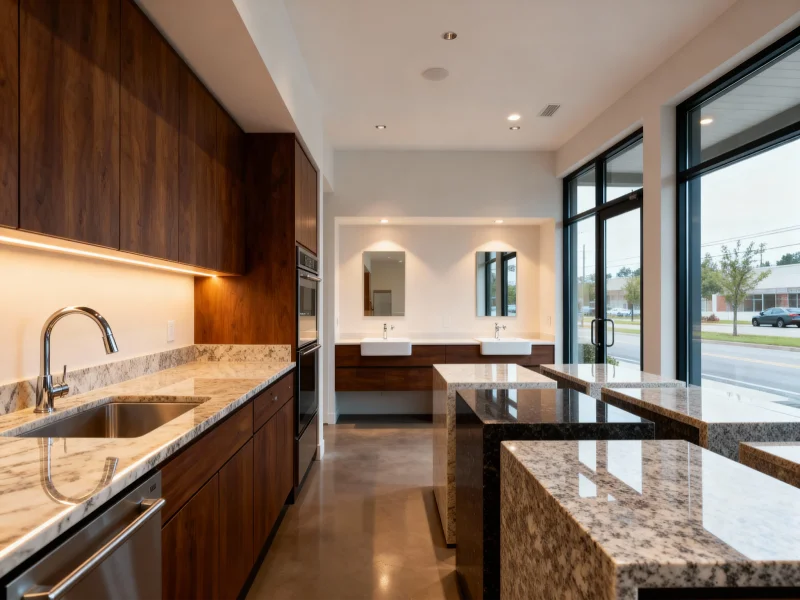
Kitchen and bathroom countertops are durable work surfaces available in materials ranging from engineered quartz and granite to laminate and porcelain, selected based on durability needs, maintenance requirements, and aesthetic preferences.
Choosing kitchen and bathroom countertops in 2025 requires balancing durability, maintenance, and design preferences. Engineered quartz leads the market for its scratch resistance and minimal upkeep, while granite remains timeless for heat tolerance. Budget-conscious homeowners can investigate laminate or tile options. Neutral tones with matte finishes dominate current design trends, emphasizing clean aesthetics and seamless transitions. Sustainability matters increasingly, with eco-friendly materials reducing environmental impact. Understanding these factors enables informed decisions aligned with individual priorities and lifestyle needs.
Key Takeaways
- Quartz offers superior durability and stain resistance with minimal maintenance, making it ideal for high-traffic kitchens and bathrooms
- Natural stone requires periodic sealing: granite every 12–18 months, marble more frequently to prevent etching and staining
- Neutral earth tones with matte finishes represent 2025's dominant design direction, offering timeless appeal and practical fingerprint resistance
- Eco-friendly options like recycled glass, porcelain, and terrazzo reduce environmental impact while maintaining durability standards
- Non-porous surfaces such as quartz and porcelain prevent bacterial growth, supporting food safety without harsh chemical cleaners
Material Trends & Popularity in 2025
Quartz leads the field through material innovation, offering high durability, minimal maintenance, and varied design options that appeal to modern households. Granite maintains its position as a timeless choice, valued for heat and scratch resistance. Porcelain is gaining significant ground due to its non-porous surface and eco-friendly advantages.
Terrazzo is emerging as a sustainable alternative, utilizing recycled glass and stone aggregates for distinctive speckled aesthetics. Engineered composites mimicking natural stone and concrete are increasing in popularity, providing homeowners with both visual flexibility and reliable performance. These materials collectively represent where the countertop market is moving, each addressing specific homeowner priorities regarding longevity, aesthetics, and environmental responsibility.
Durability & Maintenance Comparison
Quartzite ranks highest for scratch resistance, while granite offers excellent heat and impact durability but requires regular sealing. Quartz provides superior stain resistance and minimal maintenance—needing only soap and water—making it ideal for busy kitchens. Marble, though refined, demands careful attention and frequent sealing due to its vulnerability to etching and staining.
Soapstone requires no sealing yet scratches more easily than harder stones. Understanding countertop longevity matters significantly for planning countertop replacement timelines: granite and marble last 100+ years with proper care, quartz reaches 100 years, while laminate typically lasts 10–30 years. According to the National Kitchen and Bath Association (NKBA), proper countertop selection requires considering both functional requirements and long-term maintenance commitments. Maintenance tips vary considerably by material, affecting both convenience and long-term expenses substantially.
Design & Aesthetic Options
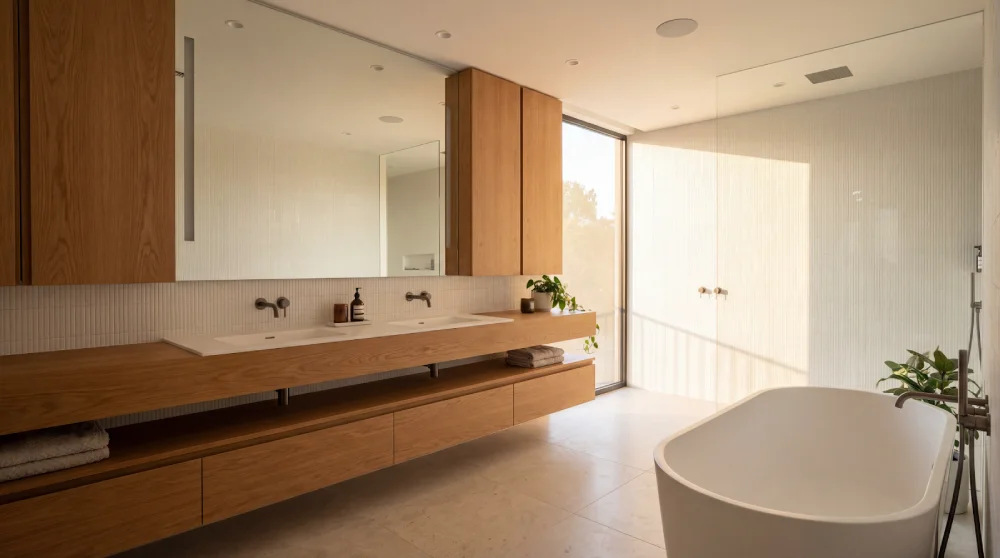
Color palettes have evolved significantly, moving from stark whites and grays toward warm, earthy tones featuring creamy bases with gold, cinnamon, or beige veining. These warmer hues create inviting, cohesive spaces when paired with natural wood cabinets and bronze hardware. Surface textures have expanded considerably as well.
Leathered and honed finishes on quartzite and granite offer matte, tactile qualities that resist fingerprints while providing rustic-meets-modern appeal. Bold veining patterns dominate contemporary options, with black, gold, and dramatic marble swirls commanding visual impact. Waterfall edges amplify these patterned effects dramatically. Mixed material combinations—such as quartz paired with wood butcher blocks—introduce personalized variety and functional zones. Homeowners searching for custom countertops near me can create genuinely distinctive, layered designs.
Sustainability & Health Considerations
Eco-friendly materials like recycled glass, reclaimed wood, and bamboo redirect waste from landfills while offering durability that reduces replacement cycles. These sustainable options typically emit zero volatile organic compounds, protecting indoor air quality compared to traditional laminates that off-gas formaldehyde. Non-porous surfaces such as recycled glass resist bacteria and mold growth, minimizing the need for harsh chemical cleaners.
Responsible sourcing practices—including local procurement and manufacturer transparency—further reduce environmental footprints. Choosing countertops with proper food-safe sealants and low-emission finishes ensures long-term health benefits. Consumer Reports testing confirms that properly maintained countertops support safe food preparation when cleaned with standard dish soap and water. Ultimately, prioritizing eco-friendly materials creates healthier homes while supporting sustainable manufacturing practices. Many countertop services now offer these environmentally responsible options.
What's Out: Declining Countertop Choices
High gloss finishes, once popular, now reveal fingerprints and scratches easily, requiring constant maintenance while appearing cold and dated. Synthetic materials like laminate and Corian fail to convince consumers with their artificial appearance and poor heat resistance, limiting resale value. Saturated colors including electric blues and neon greens date quickly, complicating future design updates.
All white surfaces without veining feel sterile and uninspired, lacking personality and visual depth. Engineered uniformity produces mass-produced aesthetics rather than custom character. Contemporary homeowners increasingly reject these outdated options in favor of natural stone characteristics, subtle textures, matte finishes, and nature-inspired neutrals that age gracefully and support evolving interior styles.
What's In: The Latest Design Trends
Minimalist Finishes & Edges
Minimalist aesthetics rely on seamless transitions between countertops, backsplashes, and cabinetry to create cohesive designs that eliminate visual clutter. Thick edges, particularly 2-3 inch slabs on islands, provide structural anchor points without ornamentation, establishing functional layering across multi-level surfaces. Waterfall features extend materials vertically down cabinet sides, emphasizing clean lines while maintaining simplicity.
Material integration throughout the kitchen—coordinating edge profiles, finishes, and colors—achieves visual harmony through intentional design rather than decorative embellishment. These strategic choices reshape countertops into unified design elements that enhance both aesthetic appeal and practical functionality in contemporary spaces.
Neutral Tones Dominate Palettes
Warm, earthy neutrals—including whites, beiges, taupes, and greiges—have established themselves as the defining palette for contemporary kitchen and bathroom countertops. Textured surfaces with subtle veining in sandy quartzites and biscuit-toned granites add visual interest while maintaining cohesion. Gold and cinnamon accents enhance perceived luxury within neutral schemes.
Gray-taupe hybrids balance contemporary and classic design themes seamlessly. Natural element pairing—oak, terracotta, rattan—enhances the soothing aesthetic. These selections coordinate effortlessly with varied cabinetry styles, ensuring lasting satisfaction across different lighting conditions and design preferences.
Making Your Final Selection: Key Decision Factors
The final selection requires balancing durability requirements with aesthetic vision and budget constraints. Color coordination with cabinetry and flooring contractor enhances visual continuity while establishing perceived space value. Functionality balance between aesthetic preferences and practical performance determines long-term satisfaction.
High-traffic kitchens and moisture-prone bathrooms demand non-porous, resilient surfaces like quartz. Professional countertop installation minimizes maintenance demands while providing consistent aesthetics. Budget-conscious households benefit from laminate's affordability, though durability suffers compared to stone options. Matching material choice to daily usage patterns ensures optimal performance and resale appeal.
Conclusion
Selecting kitchen and bathroom countertops requires assessing durability, maintenance demands, budget constraints, and design preferences. Current trends favor engineered stone and sustainable materials, reflecting both aesthetic evolution and environmental consciousness. Homeowners benefit from understanding material performance characteristics, long-term costs, and health implications before committing. By systematically evaluating these factors against personal priorities, individuals can confidently choose countertops providing aesthetic appeal, functional reliability, and lasting value for their specific needs.
Ready to transform your space? Search for countertop installers near me or consult with a certified kitchen designer to explore samples and finalize material selections that match your lifestyle and budget.
Frequently Asked Questions
What is the most durable countertop material for kitchens?
Quartzite and engineered quartz rank highest for durability, offering superior scratch and stain resistance with minimal maintenance requirements compared to natural stones like granite or marble.
How often do granite countertops need to be sealed?
Granite countertops typically require sealing every 12–18 months, though frequency depends on usage and stone porosity; perform a water absorption test annually to determine if resealing is necessary.
Are quartz countertops safe for food preparation?
Yes, quartz countertops are non-porous and food-safe when properly maintained with regular soap and water cleaning, preventing bacterial growth without requiring chemical sanitizers.
What countertop materials are best for sustainability?
Recycled glass, porcelain made from recycled materials, terrazzo with post-industrial aggregates, and reclaimed wood offer the best eco-friendly options while maintaining durability and design appeal.
What is the lowest maintenance countertop material?
Engineered quartz requires the least maintenance, needing only soap and water for cleaning without sealing requirements, unlike natural stones that demand periodic resealing and specialized care.