Maximizing the Value of Your Cabinet Upgrade: Installation, Workflow & ROI
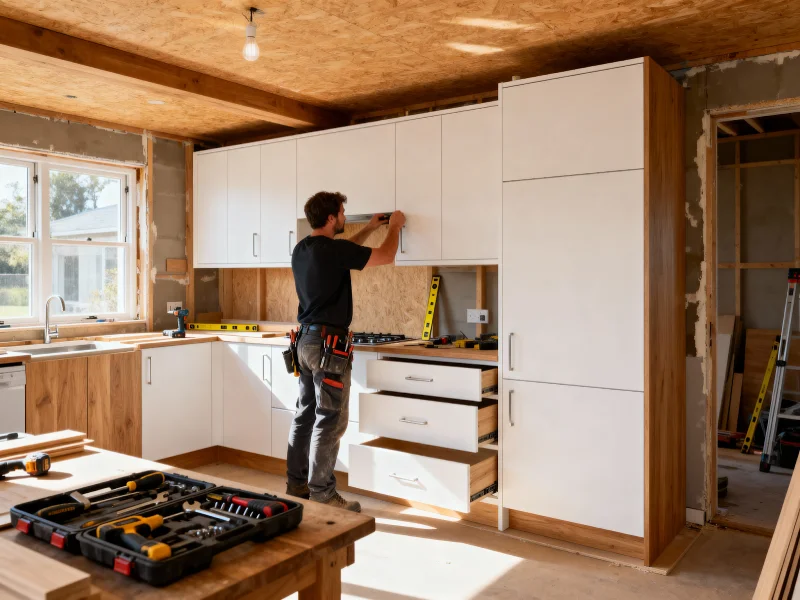
Cabinet refacing delivers the highest return on investment at 96.1%, making it one of the most rewarding kitchen improvements homeowners can pursue.
Cabinet upgrades consistently rank among the most financially rewarding home improvements available. When executed strategically—combining professional installation, thoughtful workflow design, and quality materials—cabinet investments translate into measurable property value appreciation and strong buyer appeal.
Key Takeaways
- Cabinet refacing achieves the highest ROI at 96.1%, while minor kitchen remodels average 70–87% returns depending on market conditions
- Strategic scheduling prevents project bottlenecks, ensures timely market entry, and protects competitive advantage during peak buyer demand periods
- Complementary upgrades like LED lighting, brass hardware, and organizational systems maximize aesthetic appeal and justify premium resale pricing
- Professional cabinet installation establishes long-term durability, prevents costly damage, and builds buyer confidence through warranty protection
- Market timing and local preferences significantly influence ROI outcomes, with seasonal discounts offering substantial savings on labor and materials
Understanding Cabinet Upgrade ROI: What the Numbers Show
How Cabinet Projects Deliver Strong Returns
Cabinet upgrades consistently deliver return on investment (ROI) ranging from 50% to 96% depending on project scope and market conditions. The variation reflects how different upgrade types align with buyer expectations and market demand.
Cabinet refacing emerges as the highest-returning option, achieving 96.1% ROI. Minor kitchen remodels average 70–87% returns, while mid-range cabinet styles in family neighborhoods achieve 72–82% ROI.
Project scale significantly influences outcomes: smaller investments and refacing projects yield higher percentage returns than full replacements.
Real-World Performance Data
Professional installation is critical for maximizing returns and ensuring cabinet investments translate into measurable home value appreciation. Certain markets have delivered 101–134% ROI on minor kitchen remodels, confirming that strategic cabinet upgrades are reliable investment vehicles for enhancing property value.
Kitchen renovation ROI studies from the National Association of Realtors confirm that professional installations consistently rank among the top ROI investments when executed properly. Quality materials matched to neighborhood standards outperform luxury alternatives, demonstrating that strategic alignment matters more than maximum spending.
Choosing the Right Cabinet Option for Your Market
Understanding Local Buyer Preferences
Maximizing returns requires matching cabinet selections to specific market conditions and buyer expectations. Urban markets favor compact, tech-integrated solutions with minimalist cabinet styles, while suburban buyers prefer classic, timeless designs with natural wood grain and two-tone options.
Smart cabinet features—including integrated charging stations and built-in lighting—increasingly appeal to tech-savvy urban homeowners seeking modern convenience. Luxury segments drive demand for high-end finishes and custom colors, whereas value-focused buyers prioritize durable, low-maintenance materials.
Current Market Trends
Market preferences increasingly shift toward personalization, with 62% of buyers favoring handle-free doors and clean lines. Custom cabinetry is projected to reach 30% of sales by 2035, reflecting growing consumer demand for personalized solutions.
Selecting cabinet styles aligned with local demographics—considering textures, color combinations, and storage innovations—directly impacts buyer satisfaction and property values, ensuring investments yield measurable returns.
Designing Your Kitchen Workflow for Maximum Appeal
Strategic Zone Planning
Strategic zone planning transforms cabinets into functional assets that enhance workflow efficiency and appeal to discerning homeowners. Organizing prep, cooking, and cleaning areas into distinct zones minimizes staff movement and reduces fatigue during meal preparation.
Positioning storage near frequently used equipment creates logical access patterns that streamline daily operations. This intuitive organization demonstrates quality craftsmanship and thoughtful planning.
Kitchen Ergonomics and Layout
Kitchen ergonomics—including counter heights, cabinet placement, and clear traffic paths—enables faster task completion while preventing strain injuries. Data-driven design processes inform these layout decisions to maximize both functionality and aesthetic appeal.
When potential buyers observe a well-designed layout with intuitive workflow, they recognize the value of professional planning. This perception directly translates to increased home value and buyer confidence.
Strategic Complementary Upgrades That Boost Value
Hardware and Visual Elements
Cabinet upgrades achieve maximum impact when paired with strategic complementary improvements that enhance both functionality and visual appeal.
Hardware Selections:
- Brass finishes deliver warm, sophisticated aesthetics
- Matte black hardware offers contemporary contrast
- Glass finishes provide elegant visual interest
Lighting Innovations:
- LED under-cabinet strips improve visibility and energy efficiency simultaneously
- Soft warm lighting enhances evening ambiance
- Proper illumination showcases cabinet design details
Organizational Systems and Storage Solutions
Complementary improvements that maximize storage solutions include:
- Roll-out shelves for easy access to deep storage areas
- Pullout garbage drawers for convenient waste management
- Custom compartments tailored to specific needs
- Spice racks and utensil organizers for functional elegance
- Soft-close hinges for durability and refined operation
Aesthetic Enhancements
Visual upgrades that create depth and interest include crown molding, glass inserts, and two-tone finishes. These functional upgrades work cohesively to reshape kitchens, addressing both practical needs and design goals.
When selected thoughtfully, complementary improvements amplify the perceived value of cabinet investments, providing measurable returns through improved usability and contemporary appeal.
Selecting Materials and Finishes for Broader Buyer Appeal
Material Durability and Longevity
Strategic material selection directly influences resale value and buyer satisfaction through enhanced durability and aesthetic consistency.
Key Material Considerations:
Solid wood and plywood cabinets from a quality cabinet maker deliver superior durability compared to particle board, commanding higher resale premiums. These materials withstand daily wear while maintaining structural integrity across decades.
Neutral finishes in white, grey, and wood tones appeal broadly, remaining timeless across market shifts. This versatility ensures your investment maintains relevance regardless of evolving design trends.
Eco-Friendly and Specialty Options
Eco-friendly options with CARB and FSC certification appeal to environmentally conscious buyers and justify premium positioning among sustainability-focused demographics. These certifications demonstrate responsible sourcing and manufacturing practices.
Tuxedo styles blend sophistication with versatility, offering visual distinction while maintaining broad appeal. Matte or lightly distressed finishes reduce maintenance demands while projecting current design appeal.
Professional Installation: The Foundation of Long-Term Value
Why Installation Quality Matters
Professional installation serves as the critical structural and functional backbone that determines whether cabinet investments yield lasting value. Professional knowledge guarantees cabinets are securely fastened and properly aligned, preventing costly damage or failure.
A trained cabinet installer handles installation challenges including uneven walls and complex layouts with precision, providing custom fits that DIY efforts rarely achieve. This careful approach ensures smooth-operating doors and drawers while enhancing visual appeal.
Long-Term Protection and Warranties
Beyond immediate functionality, professional installation protects long-term durability and property value. Most professionals provide warranties covering their work, offering assurance against defects and installation errors.
Warranty protection builds buyer confidence by demonstrating the manufacturer's accountability and the installer's expertise. Clear warranty documentation provides peace of mind regarding coverage and claims procedures.
Timeline Management and Market Timing Considerations
Understanding Project Timelines
Strategic cabinet upgrades require careful coordination of production schedules, contractor availability, and market conditions to maximize both project efficiency and return on investment.
Custom cabinet projects typically span 6-12 weeks for manufacturing alone, while complete kitchen renovations extend 3-6 months total. Advance planning proves essential to secure skilled trades before peak seasons contractors book months ahead.
Preventing Project Delays
Working with a reliable cabinet contractor and strategic scheduling coordination minimizes bottlenecks through several proven strategies:
| Strategy | Benefit |
| Pre-planning and accurate measurements | Reduces change orders and errors |
| Selecting stock cabinets | Decreases lead times versus custom options |
| Synchronized contractor scheduling | Prevents idle workdays and delays |
| Material availability assessment | Prevents supply chain disruptions |
| Real-time progress tracking | Enables proactive problem-solving |
Homeowners who schedule upgrades during off-peak renovation periods often experience shorter timelines and improved material availability, ultimately enhancing the financial value of their cabinet investment.
Seasonal Timing for Maximum Returns
Off-Peak Advantages
Aligning cabinet purchases and installation schedules with predictable seasonal patterns—rather than proceeding year-round—allows homeowners to capture substantial savings while positioning properties for peak market demand.
Winter months deliver contractor availability discounts due to reduced seasonal demand, coupled with faster installation timelines. Holiday clearance events offer savings on cabinet inventory as retailers clear aging stock.
Seasonal Strategy Calendar
Winter: Contractor availability increases; material clearance events peak
Spring: New collections launch with bundle opportunities; seasonal demand begins rising
Summer: Clearance events provide access to premium selections; peak buyer activity
Fall: Transitional period; moderate availability and demand
Strategic timing based on contractor availability and seasonal demand cycles directly maximizes value while minimizing project delays.
Documentation and Warranties: Building Buyer Confidence
Essential Documentation Practices
When homeowners invest in cabinet upgrades, the warranty and documentation they receive serve as a critical foundation for buyer confidence. Proper warranty enforcement and documentation retention directly protect buyers' interests and demonstrate manufacturer accountability.
Critical Documents to Retain:
- All warranty certificates and receipts as proof of coverage eligibility
- Clear, written warranty terms specifying duration, coverage details, and exclusions
- Maintenance records to preserve warranty validity and demonstrate proper care
- Written claims procedures with manufacturer or contractor contact information
- Care instruction manuals for reference and future maintenance
Building Transparent Communication
Transparent warranty communication builds trust between sellers and buyers, ensuring purchasers understand their protection. Clear documentation packages, including warranty details and maintenance guidelines, reduce buyer uncertainty and establish realistic expectations about cabinet longevity and coverage limitations.
Sellers who provide organized warranty documentation position themselves as professional, detail-oriented, and invested in buyer satisfaction—qualities that enhance perceived property value..
Conclusion
Cabinet upgrades deliver measurable returns when homeowners prioritize quality materials, professional installation, and strategic complementary improvements. The combination of careful material selection, thoughtful workflow design, and proper documentation establishes buyer confidence while protecting long-term value.
Market timing and alignment with local preferences significantly influence ROI outcomes. By systematically combining these elements—from initial planning through final documentation—you transform kitchen spaces into attractive, functional areas that command strong buyer interest and competitive positioning.
Ready to maximize your cabinet investment? Start by evaluating your local market preferences, assessing your timeline against seasonal opportunities, and connecting with trusted home renovation partner that can guide your selection and execution.
Frequently Asked Questions
Which cabinet upgrade delivers the highest ROI?
Cabinet refacing consistently delivers the highest return on investment at 96.1%. This approach involves refreshing cabinet exteriors while maintaining existing structures, making it more efficient than full replacements while still delivering dramatic visual transformations and strong financial returns.
How long does a typical cabinet installation take?
Custom cabinet projects typically require 6-12 weeks for manufacturing, while complete kitchen renovations span 3-6 months. Stock cabinet options significantly reduce timelines, enabling faster project completion and quicker market entry for sellers.
Which cabinet materials offer the best value?
Solid wood and plywood cabinets offer superior durability compared to particleboard options, commanding higher resale premiums. Neutral finishes in white, grey, and wood tones appeal broadly across buyer demographics while remaining timeless across market shifts.
When is the best time to schedule a cabinet upgrade?
Off-peak renovation periods (typically winter months) offer shorter timelines, reduced labor costs, and improved material availability. Strategic timing aligned with seasonal patterns allows homeowners to maximize savings while positioning their properties for peak buyer demand.
Do professional installations include warranties?
Yes, most professional installers provide warranties covering their work and craftsmanship. Clear warranty documentation offers assurance against defects and installation errors, protecting your long-term investment and building buyer confidence in the upgrade's quality and durability