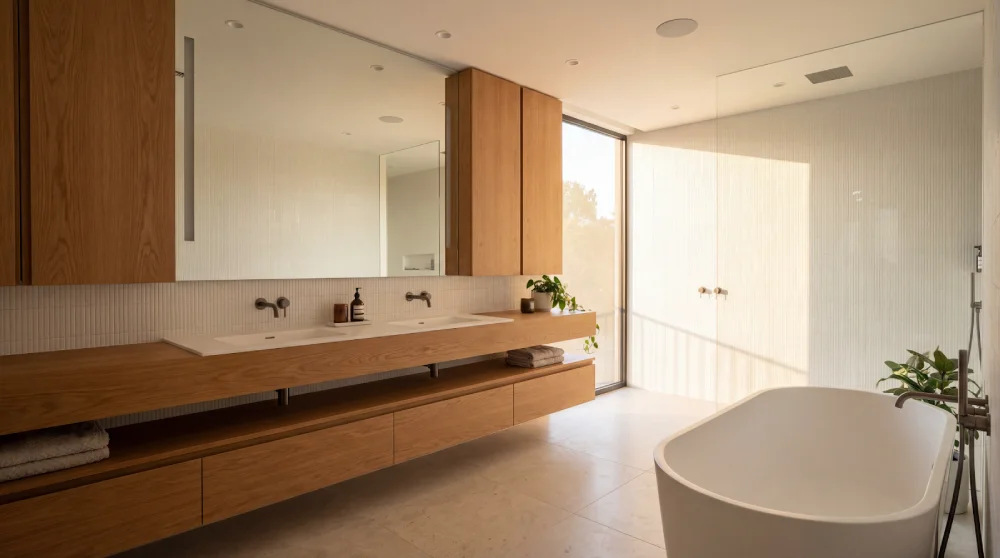
Smart Cabinet Choices for Kitchens & Bathrooms: Style, Material & Function

Smart cabinets are storage systems that integrate technology such as motion sensors, LED lighting, and app‑connected automation to improve organization, safety, efficiency, and aesthetics in both kitchens and bathrooms.
Smart cabinets transform everyday spaces with intelligent design. They pair innovative storage and automated functionality—from finger‑free doors to biometric security—to create connected environments that maximize convenience. With durable, eco‑friendly materials and adjustable configurations, these next‑generation cabinets combine form, utility, and digital intelligence for modern living.
Key Takeaways
- Touch‑to‑open drawers, smart lighting, and motion sensors enhance functionality and accessibility.
- Sustainable materials such as FSC‑certified wood and bamboo promote eco‑friendly construction.
- Bathroom smart cabinets incorporate ozone disinfection, defogging mirrors, and Bluetooth capability.
- Mixed finishes, matte textures, and metallic accents define 2025’s cabinet design trends.
- Biometric locks, ergonomic shelf heights, and soft‑close doors enhance comfort and safety.
Kitchen Smart Cabinet Innovations
Smart cabinet designs redefine how kitchens function—integrating motion, lighting, and automation for improved accessibility and hygiene. These advancements merge design innovation with everyday usability.
Core Smart Cabinet Features
| Feature | Function | Benefit |
| Lazy Susan units | Rotating trays in corner cabinets | Reclaim wasted storage space |
| Pull‑out pantries | Full‑extension storage in slim zones | Up to 22% greater organization capacity |
| Motion‑activated drawers | Open automatically with sensors | Touchless, hygienic access |
| LED illumination | Lights trigger on movement | Improves visibility and ambient design |
| Servo lift‑up doors | Automates upper cabinet access | Ideal for compact kitchens |
| Inventory sensors | Tracks pantry contents | Reduces food waste |
| Bluetooth smart locks | Secured cabinet compartments | Child and privacy protection |
Modern cabinet installation even syncs with appliances: refrigerators share inventory data while cabinets flag expiring items for automatic shopping‑list updates.
Smart innovations documented by KBYD Design, such as motion‑activated lighting, interior charging stations, and pop‑up shelving, reflect evolving “connected kitchen” principles.
Bathroom Smart Cabinet Solutions
In high‑moisture spaces, smart cabinetry introduces hygienic, digital, and ergonomic enhancements that advance wellness and energy efficiency.
Functional Upgrades
- Ozone and UV disinfection shelves sanitize grooming tools and cosmetics.
- Built‑in defogging mirrors integrate clocks, temperature, and humidity sensors.
- Bluetooth‑enabled vanities support audio playback and device charging.
- Proximity‑based LED strips ensure hands‑free use at night.
- Hidden compartments maintain a seamless appearance with soft‑close operation.
Smart bathroom cabinets exemplify tech‑design fusion: motion lighting reduces energy output, while app‑integrated systems customize brightness and temperature preferences.
Material Selection for Durability and Sustainability
Choosing materials influences performance, longevity, and environmental impact.
Below, durable and sustainable cabinet materials balance structural strength with design versatility.
Material Comparison Table
| Material | Durability | Moisture Resistance | Eco‑Certification | Ideal Location |
| Maple / Oak (Hardwood) | High | Moderate | FSC available | Kitchens / Vanities |
| Stainless Steel | Superior | Excellent | 100% recyclable | Wet areas & modern interiors |
| Plywood | Good | Good | Low‑VOC / formaldehyde‑free | General cabinetry |
| Bamboo | Moderate | Moderate | Rapidly renewable | Sustainable projects |
| Reclaimed Wood | Excellent | Variable | Upcycled / zero harvesting | Decorative panels |
| Moisture‑Resistant MDF | Moderate | High | Recycled fibers | Painted bathroom surfaces |
Smart Technology Features and Integration
Sensor Systems & Automation
- Motion lighting: LEDs illuminate shelves automatically.
- Temperature‑controlled drawers: Maintain optimal storage for food or cosmetics.
- Humidity regulation: Prevents spoilage and mildew buildup.
- RFID inventory management: Sends alerts for low supplies.
- Voice activation: Operate drawers or lights via Alexa or Google Assistant.
Automation improves both safety and sustainability. JM Cabinetry reports that integrated LEDs and sensors cut typical lighting energy usage by 40% while improving user ergonomics.
App Control & Monitoring
Connected applications let homeowners manage systems remotely after a cabinet contractor completes the setup.
Smart functions include:
- Adjusting lighting temperature and brightness.
- Controlling cabinet locks via Bluetooth or Wi‑Fi.
- Tracking stock levels through paired home‑assistant dashboards.
- Sending alerts for unauthorized access or power failure.
Data analytics inside these cabinets can even recommend grocery restocks based on past use patterns.
Design Aesthetics and Style Trends
Today's smart cabinetry bridges timeless cabinet maker craftsmanship with futuristic refinement.
| Design Element | Trend | Design Advantage |
| Finish | Matte neutrals, metallic inlays | Conceals fingerprints |
| Door Style | Flat or glass‑panel hybrid | Minimalist with display options |
| Hardware | Brushed brass / black bronze | Warm contrast, durability |
| Lighting Style | Concealed LEDs or halo edges | Modern accent illumination |
| Influences | Industrial + Scandinavian | Blends technology with warmth |
Ergonomic Design and User Experience
Smart cabinets enhance accessibility and reduce repetitive strain injuries.
Home Ergonomics Checklist
- Keep frequently used items between waist and shoulder height.
- Use pull‑out trays in base units instead of deep fixed shelves.
- Install soft‑close hinges to prevent slamming fatigue.
- Opt for handleless or push‑to‑open systems for quick reach.
- Consider adjustable shelves and mobility‑friendly heights for inclusive design.
Ergonomic adaptation ensures usability regardless of height or mobility constraints, aligning with KitchenPeople’s research into accessibility‑focused cabinetry.
Storage Efficiency and Space Optimization
Smart layouts integrate modular geometry with automation.
- Assess daily routines. Store routine items near major work zones.
- Add vertical modules. Extend upper storage when floor space is limited.
- Include concealed zones. Hide appliances on servo lifts.
- Automate lighting. Install motion triggers in rarely accessed cabinets.
- Integrate tracking systems. Use sensors that identify low pantry stock.
Modern pull‑out cabinetry adds up to 20‑plus percent more usable space than traditional layouts.
Safety, Security, and Long‑Term Benefits
Professional custom cabinet installation ensures these safety features function correctly from day one.
| Smart Safety Feature | Function | Benefit |
| Biometric Locks | Fingerprint / App access | Prevents unauthorized entry |
| Bluetooth Monitoring | Syncs security alerts | Enhances child safety compliance |
| GFCI Integration | Protects outlets from moisture | Reduces electrical hazards |
| Battery Backup | Power continuity | Maintains controls during outages |
Conclusion
Smart cabinets redefine how homes operate—merging storage engineering with digital intelligence to create connected, organized, and sustainable living spaces. From self‑illuminating pantries to AI‑guided organization, these innovations balance form and function through automation, sustainability, and timeless design.
Upgrade your kitchen or bathroom today. Work with a cabinetry and flooring contractor to install smart cabinetry that adapts to your habits and evolves with tomorrow's technology.
Frequently Asked Questions
How do smart cabinets improve kitchen efficiency?
They automate access, track supplies, and optimize lighting, cutting daily task time by up to 25% through organization and automation synergy.
Can these cabinets connect to existing smart home systems?
Yes. Most models sync with Alexa, Google Assistant, or Tuya Cloud apps for centralized management of lighting and environmental settings.
What materials work best in moisture‑prone bathrooms?
Stainless steel, marine plywood, and sealed solid wood resist water and mold while maintaining appearance long‑term.
Do smart cabinets require significant maintenance?
Minimal. Sensors and LEDs are low‑voltage and energy‑efficient, and firmware updates handle automation calibration remotely.
Are smart cabinets energy‑saving?
Yes. Motion lighting and temperature regulation lower consumption; LEDs last longer than halogen alternatives and activate only when needed.