How to Choose Weather-Resistant Materials for Your Outdoor Living Space
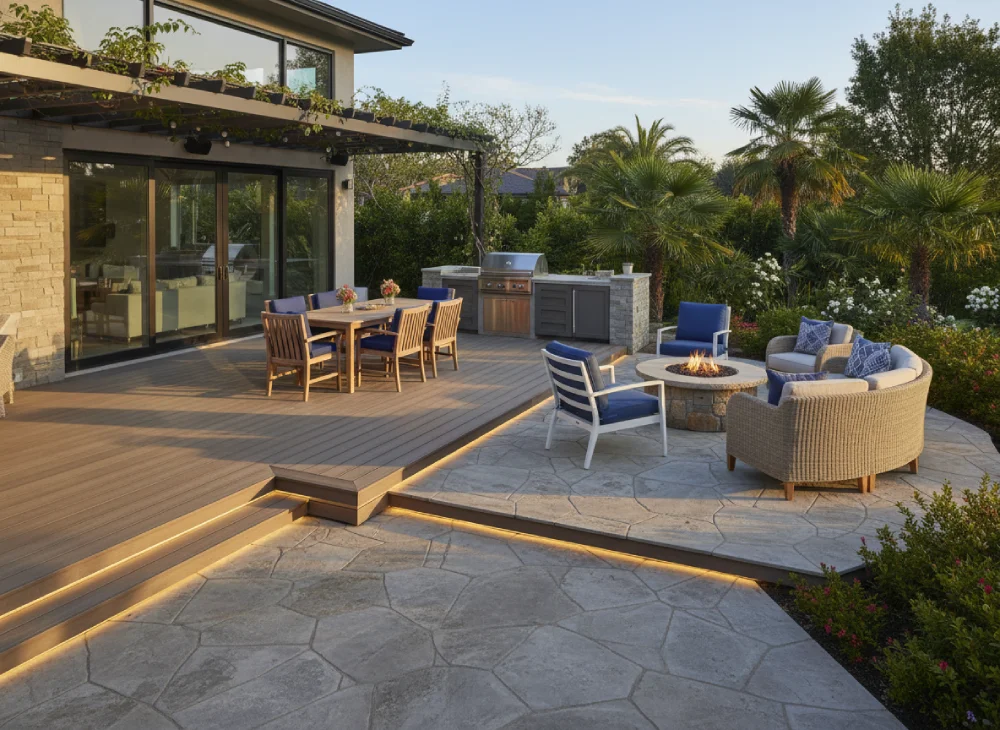
Choosing weather-resistant materials for outdoor living spaces requires matching products not just to your aesthetic preferences but specifically to your local climate's primary environmental stressors—whether intense sun exposure, heavy rainfall, salt air, or freeze-thaw cycles—to ensure durability and minimize maintenance over decades of use.
Creating a durable outdoor living space that withstands the elements demands strategic material selection based on your specific microclimate. A material that performs flawlessly in the arid Southwest may fail within two years in the humid Southeast or freezing Northeast.
Understanding how different materials respond to UV radiation, moisture, temperature extremes, and environmental factors empowers homeowners to invest wisely in custom outdoor living spaces that remain beautiful and functional for years. From composite decking and porcelain pavers to teak furniture and solution-dyed fabrics, modern weather-resistant materials leverage advanced engineering to resist fading, warping, rusting, and deterioration.
Working with an experienced outdoor living contractor helps you select materials optimized for your climate zone while achieving your design vision.
Key Takeaways
- Match materials to your primary climate stressor: Intense sun demands UV-stable materials like teak and solution-dyed acrylic, heavy rain requires hydrophobic options like aluminum and HDPE wicker, salt air needs corrosion-resistant marine-grade stainless steel, and freeze-thaw cycles require non-porous porcelain pavers and composite decking.
- Composite decking outperforms wood in harsh climates: Capped polymer composite features protective shells around wood-composite cores, providing superior resistance to moisture, insects, and temperature extremes without the annual maintenance real wood demands.
- Porcelain pavers function as super-materials for patios: With 0.1% water absorption rates, 20mm thick porcelain pavers cannot crack from freezing water, resist moss and mold growth, stay cooler than dark stone, and require zero sealing maintenance.
- Teak remains the gold standard for furniture frames: High natural oil content repels water and insects while the wood's density prevents heat absorption, meaning you won't burn skin on hot summer days unlike metal alternatives.
- Solution-dyed acrylic fabrics justify their premium cost: Unlike surface-printed fabrics, solution-dyed acrylic is colored throughout the fiber before thread formation, resulting in fade-proof performance lasting 5-plus years even under intense UV exposure.
- Marine-grade specifications matter in coastal environments: Within 5 miles of saltwater, upgrade to 316 stainless steel containing molybdenum for chloride corrosion resistance, as standard 304-grade will pit and corrode from salt exposure.
Understanding Your Climate's Primary Stressors
Before selecting specific furniture, decking, or finishes, identify your environment's dominant challenge. This environment-first approach ensures material investments deliver optimal performance rather than premature failure.
| Primary Stressor | Key Material Characteristic | Recommended Materials |
| Intense Sun (UV) | UV stability & heat reflection | Teak wood, Solution-dyed acrylic fabrics, Light-colored composites |
| Heavy Rain / Humidity | Hydrophobic & rot resistance | Powder-coated aluminum, HDPE wicker, Porcelain pavers |
| Salt Air (Coastal) | Corrosion resistance | 316 marine-grade stainless steel, Polymer materials, Teak |
| Freeze-Thaw Cycles | Non-porous density | Porcelain pavers, Capped composite decking, Aluminum frames |
Different regions present distinct challenges requiring tailored material approaches. Southwest climates with intense UV exposure and minimal rainfall prioritize fade resistance and heat management. Southeast humidity demands mold-resistant, quick-drying materials. Northeast freeze-thaw cycles require non-porous options that prevent water infiltration. Understanding these regional patterns helps narrow material choices immediately.
Decking Materials: Foundation for Outdoor Living
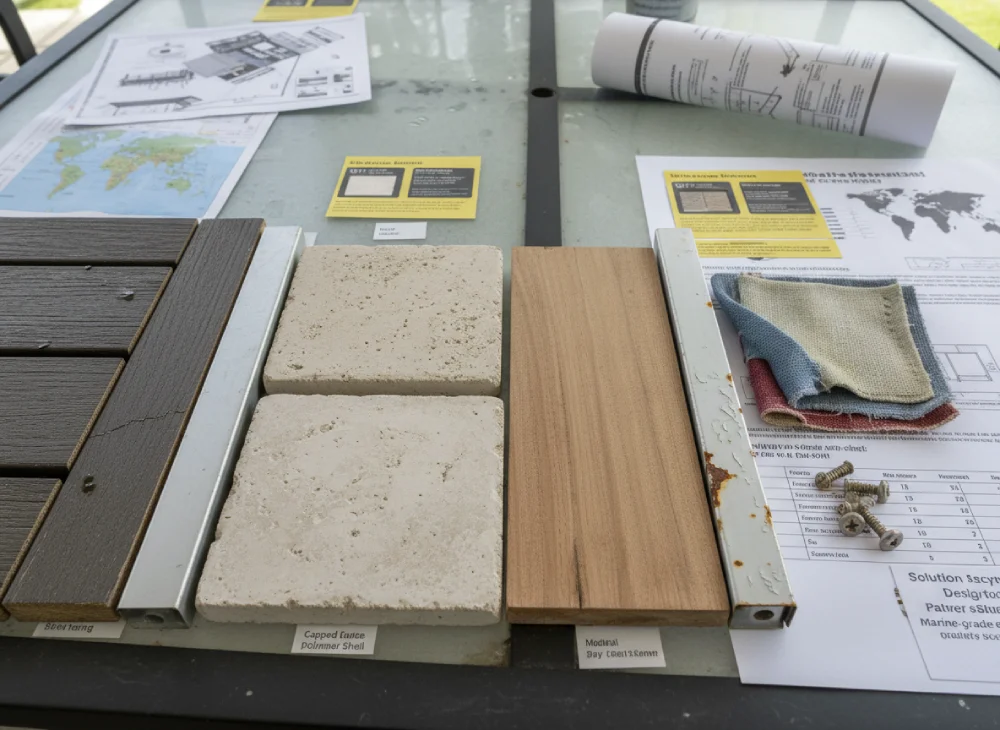
The ground layer faces the harshest abuse from foot traffic, standing water, and constant weather exposure. Quality outdoor living construction starts with selecting durable decking materials that establish the foundation for long-lasting spaces.
Composite Decking: Low-Maintenance Leader
Composite decking represents the top choice for weather resistance across all climates. Look specifically for "capped" boards featuring protective polymer shells around wood-composite cores. This capping technology creates waterproof barriers preventing moisture infiltration that causes warping, splintering, and mold growth.
Composite decking excels in freeze-thaw regions where traditional wood cracks and splinters from ice expansion. The material requires no staining or sealing—just occasional soap and water cleaning maintains appearance indefinitely. Modern composites resist fading, scratching, and staining while providing authentic wood grain aesthetics.
However, dark composite colors can become painfully hot under direct sun. Choose lighter grays, tans, or earth tones for south-facing decks in sunny climates. The initial cost exceeds pressure-treated lumber but eliminates ongoing maintenance expenses over the deck's 25-30 year lifespan.
Tropical Hardwoods: Natural Durability
For purists preferring authentic wood, tropical hardwoods like Ipe and Cumaru deliver exceptional weather resistance through extreme density and natural oils. These woods resist rot, insects, and moisture without chemical treatments, making them eco-friendly alternatives. Ipe's incredible hardness prevents denting and scratching even in high-traffic areas. The wood naturally weathers to elegant silver-gray patina requiring zero maintenance, though annual oiling maintains rich brown coloring if preferred.
Patio Pavers: Durable Ground Surfaces
Patio surfaces face constant foot traffic, furniture weight, water exposure, and temperature extremes. Weather-resistant paver materials create stable, attractive foundations for outdoor living areas.
Porcelain Pavers: The Super-Material
Porcelain pavers represent an increasingly popular choice combining natural stone aesthetics with superior weather resistance. These 20mm thick tiles are fired at extreme temperatures, creating virtually non-porous surfaces with just 0.1% water absorption rates.
This minimal porosity means water cannot penetrate and freeze inside the material, eliminating the cracking and spalling common with natural stone in cold climates. Porcelain resists moss and mold growth, stays cooler to touch than dark natural stone, and requires zero sealing throughout its lifetime.
Porcelain paver benefits include:
- Freeze-thaw immunity: Non-porous structure prevents ice damage
- Low maintenance: Never requires sealing or special treatments
- Slip resistance: Textured surfaces provide traction even when wet
- Color permanence: Through-body coloring prevents fading
- Pool-friendly: Cool-to-touch surfaces ideal for barefoot areas
Porcelain pavers excel around pools, on sun-drenched patios, and in regions experiencing freeze-thaw cycles. Modern manufacturing creates realistic natural stone appearances at lower costs than premium granite or bluestone.
Natural Stone: Traditional Beauty
Natural stone pavers provide timeless elegance but require climate-appropriate selection. Travertine's light color and porous structure keeps surfaces cool even in 100°F heat. Conversely, darker stones like slate and flagstone absorb heat, potentially burning bare feet in summer sun. In freeze-thaw climates, porous soft stones can flake and spall as trapped water freezes and expands.
Furniture Frames: Balancing Durability and Comfort
Outdoor furniture frames must withstand constant UV exposure, rain, humidity, and temperature swings while remaining comfortable for extended use.
| Furniture Material | Climate Suitability | Maintenance Level | Lifespan | Key Benefit |
| Teak Wood | All climates | Low (optional oiling) | 25-50 years | Cool-touch surface, natural rot resistance |
| Powder-Coated Aluminum | All climates | Minimal (occasional cleaning) | 15-25 years | Lightweight, rust-proof, affordable |
| HDPE Wicker | All climates | Minimal (soap/water) | 10-20 years | Authentic wicker look, UV stable |
| Wrought Iron | Dry climates only | High (rust prevention) | 10-15 years | Traditional elegance, heavy/stable |
| Stainless Steel | Coastal/humid climates | Low (316 grade) | 20-30 years | Corrosion resistant, modern aesthetic |
Teak: The Gold Standard
Teak's reputation as premium outdoor furniture material stems from its exceptional natural properties. High oil content repels water and insects without chemical treatments. Dense cellular structure resists warping, cracking, and splitting even after years of weather exposure.
Unlike metal furniture that absorbs and radiates heat, teak remains cool to touch even under August sun. This comfort advantage matters significantly in hot climates where metal chairs become unusable midday. The wood can weather naturally to silver-gray patina requiring zero maintenance, or be oiled annually to preserve honey-brown coloring.
Powder-Coated Aluminum: Modern Workhorse
Aluminum furniture provides lightweight maneuverability, rust-proof performance, and affordable pricing. The critical specification is powder-coating—a dry finishing process baked onto metal creating tough, weather-resistant skins far superior to conventional paint.
Powder-coated aluminum resists chipping, scratching, and fading while maintaining appearance for 15-25 years. For coastal environments, aluminum outperforms steel or iron which rust rapidly from salt exposure.
HDPE Wicker: Synthetic Alternative
High-density polyethylene (HDPE) resin wicker provides authentic woven furniture appearance without natural wicker's weather vulnerabilities. The material is dyed throughout—not just surface-coated—maintaining color even as surfaces wear. HDPE remains flexible through temperature swings, preventing the brittleness that plagues cheap PVC alternatives.
Fabrics and Soft Goods: Weather-Resistant Textiles
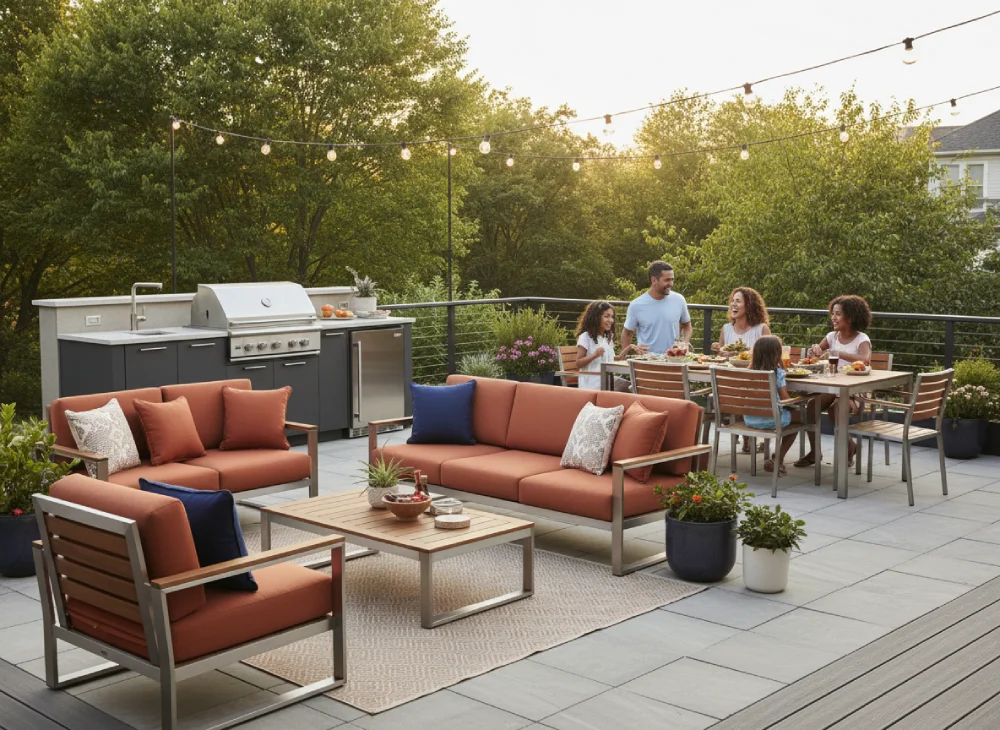
Outdoor cushions, pillows, and rugs face intense UV exposure and moisture challenges. Choosing weather-resistant fabrics prevents the frustrating cycle of replacing faded, mildewed cushions every few seasons.
Solution-Dyed Acrylic: The Fade-Proof Choice
Solution-dyed acrylic fabrics like Sunbrella represent the gold standard for outdoor textiles. Unlike standard fabrics with surface-printed colors, solution-dyed materials are colored throughout the fiber during liquid polymer stage—before becoming solid thread.
This through-and-through coloring creates fade-proof performance lasting 5-plus years even under constant sun exposure. The material is water-resistant yet breathable, preventing mold growth inside cushions. UV protection exceeds 98%, making these fabrics suitable for even the harshest sun exposure.
The 20-30% cost premium over polyester fabrics pays for itself by eliminating replacement costs. Standard outdoor fabrics fade noticeably within 1-2 seasons; solution-dyed acrylic maintains vibrant colors for years.
Outdoor Rugs: Polypropylene vs Polyester
Polypropylene rugs are hydrophobic—they don't absorb water—allowing quick drying and preventing mold growth. This makes polypropylene ideal for uncovered patios experiencing rain exposure. Polyester holds colors better under extreme UV but absorbs more moisture, increasing mold risk. Polyester works well under covered areas or in arid climates.
Outdoor Kitchens: Durable Cabinetry and Appliances
Outdoor kitchens face unique challenges from weather exposure, temperature extremes, and food preparation activities requiring durable, easy-to-clean materials.
Stainless Steel: Corrosion Resistance
Grade 304 stainless steel suffices for most inland backyards. Grade 316 marine-grade stainless steel becomes mandatory within 5 miles of saltwater. The molybdenum content in 316-grade creates superior resistance to chloride corrosion that causes pitting in standard 304-grade.
Marine-Grade Polymer: Cabinet Innovation
Marine-grade polymer cabinetry originally developed for boat applications provides outdoor kitchen cabinet solutions that resist weather better than traditional wood. This solid HDPE material looks like painted wood but is actually solid plastic throughout.
Polymer cabinets withstand pressure washing, never need painting or sealing, and resist moisture, insects, and UV damage indefinitely. The material creates more custom kitchen aesthetics compared to stainless steel's industrial appearance.
Climate-Specific Material Recommendations
Custom outdoor living designs require climate-appropriate materials.
For intense sun and heat: Choose materials that reflect rather than absorb heat.
Teak furniture stays cool to touch, light-colored composite decking prevents surface temperatures from becoming painful, and travertine pavers remain comfortable for bare feet.
For heavy rain and humidity: Prioritize hydrophobic and quick-drying materials. Powder-coated aluminum furniture won't rust, HDPE wicker dries quickly after storms, and porcelain pavers shed water immediately.
For coastal salt air: Upgrade to corrosion-resistant materials. Use 316 marine-grade stainless steel for outdoor kitchens, teak or polymer furniture frames, and avoid wrought iron entirely.
For freeze-thaw cycles: Select non-porous materials preventing water infiltration. Porcelain pavers can't crack from ice expansion, capped composite decking resists moisture absorption, and aluminum furniture won't splinter like wood.
Conclusion
Choosing weather-resistant materials for outdoor living spaces requires understanding your climate's primary stressors. A trusted outdoor living company can help you select products engineered to withstand those specific challenges. From composite decking and porcelain pavers to teak furniture and solution-dyed fabrics, investing in quality weather-resistant materials eliminates the frustration of premature failure and constant replacement.
Working with an experienced outdoor living contractor ensures proper material selection and installation optimized for your specific climate. Contact CabStone for outdoor living services to explore weather-resistant material options and create spaces that withstand the elements.
Frequently Asked Questions
What are the most durable materials for outdoor furniture?
Teak wood offers 25-50 year lifespans with natural rot and insect resistance, staying cool to touch unlike metal. Powder-coated aluminum provides 15-25 years of rust-proof service at lower costs. HDPE wicker delivers 10-20 years with authentic appearance.
How does composite decking compare to real wood?
Composite decking requires no staining, sealing, or sanding while resisting moisture, insects, and fading for 25-30 years. Real wood like Ipe offers natural beauty and 30-40 year lifespans but demands annual maintenance and costs more initially.
Are porcelain pavers better than natural stone?
Porcelain pavers outperform natural stone in freeze-thaw climates with 0.1% water absorption preventing ice damage. They require zero sealing, resist mold growth, and stay cooler than dark stone. Natural stone provides timeless aesthetics but needs annual sealing.
What fabrics resist fading in outdoor cushions?
Solution-dyed acrylic fabrics resist fading for 5-plus years even under constant sun exposure because color is integrated throughout fibers during manufacturing. These fabrics withstand bleach, repel water while remaining breathable, and justify cost premiums by eliminating frequent replacement.
How do I choose materials for coastal environments?
Within 5 miles of saltwater, use 316 marine-grade stainless steel containing molybdenum for chloride corrosion resistance. Choose teak or polymer furniture, avoid wrought iron entirely, and rinse materials regularly with fresh water.
What's the difference between capped and uncapped composite decking?
Capped composite features protective polymer shells around wood-composite cores, creating waterproof barriers preventing moisture infiltration, staining, and fading. Uncapped composite exposes wood fibers to weather, accelerating deterioration.
Do outdoor rugs need to be waterproof?
Polypropylene outdoor rugs are hydrophobic and dry quickly after rain, preventing mold growth—ideal for uncovered patios. Polyester holds colors better but absorbs moisture, working best under covered areas.
How long do weather-resistant materials typically last?
Teak furniture lasts 25-50 years, composite decking 25-30 years, porcelain pavers 30-plus years, powder-coated aluminum 15-25 years, and HDPE wicker 10-20 years. Solution-dyed fabrics maintain appearance 5-plus years.
What maintenance do weather-resistant materials require?
Most weather-resistant materials need only soap and water cleaning twice annually. Teak can weather naturally or be oiled annually for color preservation. Composite decking never needs staining or sealing.
Are weather-resistant materials worth the higher cost?
Yes, weather-resistant materials justify premium costs through extended lifespans and minimal maintenance. Replacing budget materials every 3-5 years costs more long-term than investing initially in quality.