How to Choose the Right Materials for Your Outdoor Living Project
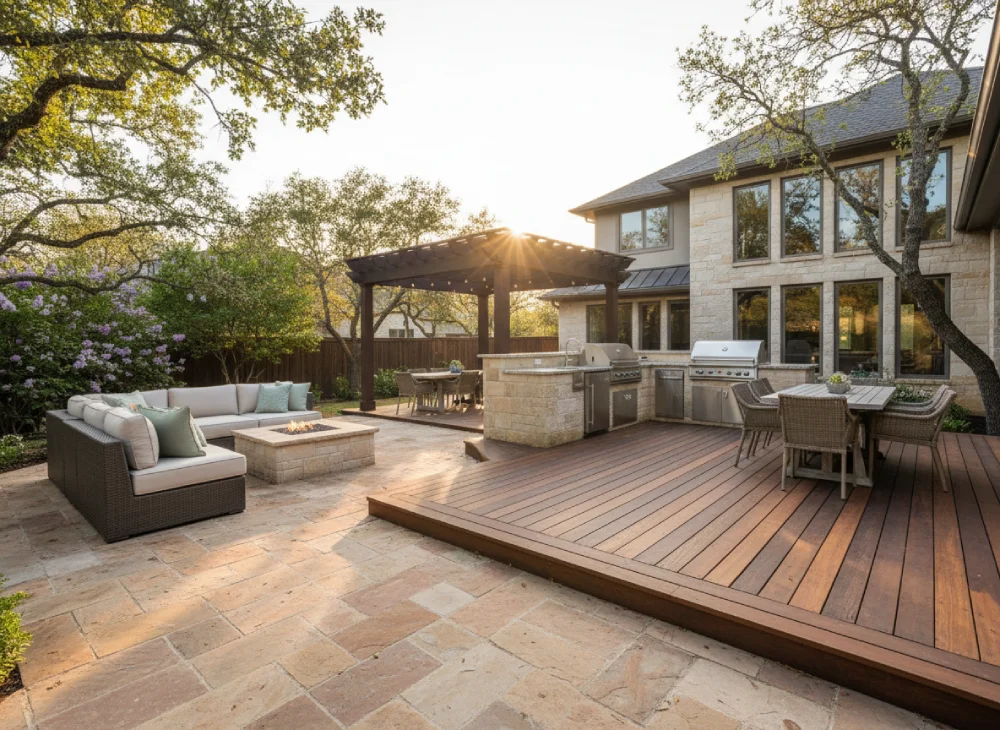
Selecting the right materials for your outdoor space requires balancing aesthetics with durability, climate compatibility, and long-term value to create an environment that enhances your home while standing up to years of use and weather conditions.
Creating an exceptional outdoor living space demands thoughtful material selection that harmonizes beauty with performance. Whether you're planning a deck, patio, outdoor kitchen, or complete backyard transformation, understanding how to choose the best materials for your custom outdoor living project helps you make decisions that deliver lasting satisfaction.
The materials you select today will define not only the visual appeal of your outdoor environment but also the maintenance requirements and longevity you'll experience for decades to come.
CabStone specializes in outdoor living services tailored to your home's unique style and your region's environmental conditions.
Key Takeaways
- Local climate drives material choices significantly: Hot, sunny regions demand UV-resistant materials like powder-coated aluminum and solution-dyed fabrics, while coastal areas require marine-grade stainless steel and corrosion-resistant options to withstand salt air and extreme temperatures.
- Balance durability with initial cost for lifetime value: Premium materials like PVC decking and natural stone pavers cost more upfront but eliminate maintenance requirements and replacement needs, often proving more economical than budget alternatives over twenty to thirty years of use.
- Composite materials lead professional preferences: Forty-six percent of design experts name composite the top patio flooring choice, combining wood aesthetics with twenty-five to thirty year lifespans and minimal upkeep beyond occasional soap and water cleaning.
- Natural stone delivers unmatched durability and visual appeal: Stone options like granite pavers withstand eight thousand pounds per square inch compared to concrete's twenty-five hundred PSI capacity, lasting decades longer while requiring minimal maintenance and preserving natural beauty as they age.
- Proper installation maximizes material performance: Expert guidance ensures correct base preparation for pavers, appropriate fastening for decking, and suitable sealing for natural materials, helping you choose materials that perform optimally in your outdoor environment.
- Eco-friendly materials reduce environmental impact: Recycled composite decking diverts waste from landfills while delivering superior performance, and permeable pavers allow natural drainage that reduces runoff into waterways while supporting sustainable landscaping projects and custom outdoor living spaces.
Understanding Your Outdoor Project Scope and Goals
Defining your outdoor project purpose shapes every material choice that follows. Consider how you'll use the space—for dining, entertaining, relaxation, or multiple functions. High-traffic areas demand durable materials different from quiet reading nooks.
Key considerations for landscaping projects:
- Intended use patterns: Dining, lounging, cooking, or entertainment purposes
- Weather conditions: Temperature extremes, humidity, sun exposure, precipitation patterns
- Budget parameters: Initial investment and ongoing upkeep costs
- Aesthetic appeal: Style that complement your home's architecture
Assess your local climate comprehensively. Regions with intense summer sun need materials that withstand different challenges than areas experiencing harsh freeze-thaw cycles. Understanding these distinctions helps you select materials that prevent costly mistakes and ensures your investment delivers lasting performance in your outdoor environment.
Climate-Driven Material Selection for Outdoor Spaces
Local climate represents the single most important factor when you choose materials for outdoor projects. Materials that perform beautifully in one environment may deteriorate rapidly in another.
Hot and Sunny Weather Conditions
Intense sunlight and high temperatures demand materials with superior UV resistance. Aluminum and powder-coated metals excel because they resist fading and don't absorb excessive heat. Composite materials and PVC decking are engineered to withstand prolonged sun exposure.
Best materials for hot climates:
- Powder-coated aluminum: Reflects heat, maintains cool surface temperatures
- Light-colored pavers: Natural stone or concrete in beige or light gray
- Solution-dyed fabrics: Performance fabrics with integrated UV protection
- PVC and composite: UV inhibitors throughout material composition
For outdoor furniture fabrics, solution-dyed acrylics resist UV degradation far better than conventional materials. Color is integrated throughout each fiber during production, ensuring colors remain vibrant after years of direct sunlight.
Coastal and Humid Outdoor Environments
Salt air and constant moisture require corrosion-resistant materials that can withstand challenging conditions. Marine-grade stainless steel (316L grade) is formulated for coastal applications with additional molybdenum that provides superior salt resistance. For outdoor kitchens near the ocean, this premium grade justifies its cost through extended lifespan.
Coastal-appropriate material options:
- 316L marine-grade stainless steel: Essential for kitchen cabinets and appliances
- Powder-coated aluminum: Furniture frames and pergolas
- Teak wood: Natural oils protect against moisture and salt
- HDPE synthetic wicker: Completely moisture-resistant
Teak contains natural oils that protect against moisture, rot, and insects. This premium hardwood thrives in coastal applications where salt spray destroys lesser materials within seasons.
Cold Climates and Freeze-Thaw Cycles
Areas experiencing temperature fluctuations require durable materials that expand and contract without cracking. Pavers outperform poured concrete because individual units move independently, preventing extensive cracking. Choose dense, low-porosity stone options like slate and granite that handle temperature fluctuations better than sedimentary stones.
Composite materials and PVC decking are engineered to withstand freeze-thaw cycles without warping. Concrete used in cold climates should incorporate air entrainment, creating tiny air pockets that allow expansion during freezing.
Decking Material Options: Choosing the Best for Durability
Selecting the right material for your patio or deck balances initial investment against long-term performance. Quality outdoor living construction starts with understanding these material options. The four primary categories each deliver distinct advantages and help you match materials to your outdoor design needs.
| Material | Cost Per Sq Ft | Lifespan | Maintenance | Key Advantage |
| Pressure-Treated Wood | $5-15 | 10-15 years | High (annual) | Lowest initial cost |
| Composite | $15-30 | 25-30 years | Low (occasional) | Balance durability with value |
| PVC | $25-40 | 50+ years | Minimal | Zero upkeep, longest life |
| Teak | $30-50 | 20-40 years | Moderate | Natural beauty, coastal performance |
Pressure-Treated Wood and Composite Materials
Pressure-treated wood costs five to fifteen dollars per square foot installed but requires annual staining or sealing. With proper maintenance, it lasts ten to fifteen years. The material is susceptible to warping, cracking, and splitting in harsh weather conditions.
Composite materials have emerged as the top choice, with forty-six percent of design professionals naming them best for 2025. Made from wood fibers and recycled plastic, composite options offer wood appearance with enhanced durability. Premium brands feature protective polymer capping that prevents mold, rot, and UV damage.
Composite material advantages:
- Twenty-five to thirty year lifespan with minimal care
- Low maintenance requirements: Occasional soap and water cleaning
- Eco-friendly composition: Contains up to ninety-five percent recycled materials
- Consistent visual appeal: No fading, splintering, or warping
Quality composite materials last twenty-five to thirty years with just occasional cleaning. While initial costs are higher than wood, eliminated maintenance expenses help you choose the best materials for long-term value.
PVC and Natural Hardwoods
PVC decking represents the premium tier, constructed entirely from polyvinyl chloride without organic material. This makes PVC completely impervious to moisture, rot, insects, scratches, and stain. The material offers fifty-plus year lifespans with zero upkeep—no painting or staining ever needed.
The primary drawback is cost—PVC is the most expensive option. However, many find this justified by longevity and freedom from maintenance requirements. Teak offers timeless natural beauty with twenty to forty year lifespans. Natural oil content and dense grain provide inherent moisture and insect resistance. Teak performs exceptionally in coastal environments.
Materials for Patios and Walkways: Building Materials Comparison

Patio material choices create the foundation for your outdoor living space. The primary building materials—concrete pavers, natural stone, and poured concrete—each offer distinct characteristics.
Concrete Pavers and Natural Stone Options
Concrete pavers deliver versatility and affordability at five to fifteen dollars per square foot installed. These manufactured pavers come in extensive styles, textures, and colors. The interlocking design simplifies proper installation while providing uniform visual appeal.
Concrete paver benefits:
- Extensive design options: Hundreds of colors and patterns
- Repair flexibility: Replace individual damaged pavers
- Permeable options: Allow drainage and reduce runoff
- Cost-effective: Lower investment than stone options
When properly installed, concrete pavers last twenty-five to forty years. Permeable systems are trending for environmental impact reduction, allowing rainwater to drain into subsoil rather than creating polluted runoff.
Natural stone pavers offer unmatched natural beauty and durability. Quarried from stone blocks formed over millions of years, each slab features unique patterns. Stone options like granite withstand up to eight thousand pounds per square inch compared to concrete's twenty-five hundred PSI capacity.
Natural stone is four times more durable than concrete and demonstrates exceptional resistance to cracking and weathering. With proper installation, natural stone pavers endure for decades. The investment typically ranges from fifteen to thirty-plus dollars per square foot installed, but superior longevity and minimal maintenance requirements deliver excellent long-term value.
Poured Concrete Considerations
Poured and stamped concrete offers affordable patio options at one hundred to one hundred fifty dollars per square meter. Stamped concrete can mimic high-end materials without associated costs. However, concrete is prone to cracking, especially in regions experiencing freeze-thaw cycles.
When cracking occurs, entire affected slabs typically require replacement. Concrete requires sealing every few years to prevent moisture penetration and stain. While initial costs are attractive, shorter lifespan and expensive repairs mean long-term costs often exceed more durable materials like natural stone or quality pavers.
Outdoor Furniture Materials and Kitchen Building Materials
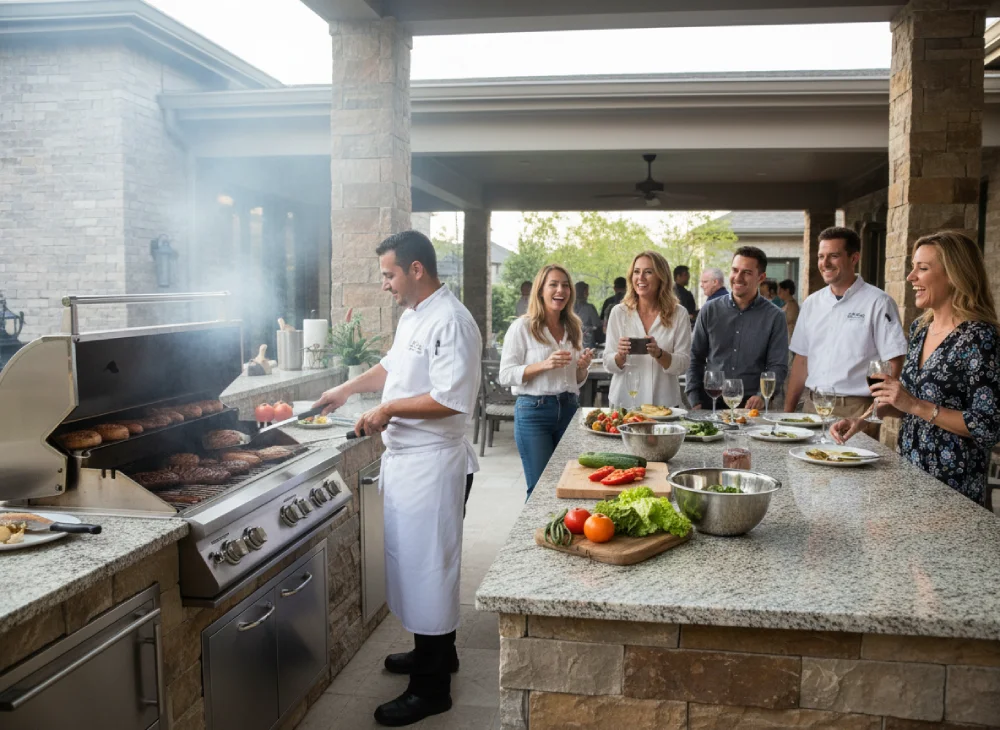
Outdoor furniture materials must withstand constant exposure while maintaining comfort and aesthetic appeal. Understanding material performance helps you select materials that align with your local climate and budget.
Furniture Material Choices
Teak dominates as the gold standard, with twenty to forty year lifespans. Exceptional natural oil content and dense grain provide inherent moisture and insect resistance. Teak develops beautiful silvery-gray patina or maintains golden color with annual oiling. It performs exceptionally in coastal outdoor environments.
Aluminum combines lightweight convenience with fifteen to twenty-five year durability. The material is rust-resistant and won't corrode, ideal for humid or coastal conditions. Powder-coated aluminum adds protective layers while providing color options. For outdoor kitchens, Grade 304 stainless steel offers excellent corrosion resistance. Coastal areas need materials that require 316L marine-grade with additional molybdenum.
Synthetic material options:
- HDPE wicker: Ten to twenty year lifespan, water and mildew resistant
- Polywood: Twenty-plus years from recycled materials, zero upkeep
- Aluminum frames: Lightweight, rust-proof, visually appealing aesthetics
All-weather wicker made from high-density polyethylene provides stylish aesthetic appeal with exceptional weather resistance. Polywood furniture from recycled plastic requires no painting or staining throughout its lifespan.
Outdoor Kitchen Building Materials
Stainless steel has emerged as the preferred cabinet choice for outdoor kitchens. Grade 304 offers optimal performance and value with excellent corrosion resistance. The non-porous nature makes cleaning effortless and resists bacteria growth. For coastal locations, upgrade to 316L marine-grade for superior salt-air resistance.
For countertops, natural stone varieties like granite and quartzite deliver exceptional durability. These dense materials repel moisture and resist stain, scratching, and heat damage. Granite handles temperature fluctuations without cracking and requires minimal maintenance requirements beyond periodic sealing. Stainless steel countertops offer sleek appearance with unmatched ease of cleaning.
Budget Considerations: Balance Durability with Cost
Material selection dramatically impacts both upfront expenses and long-term costs. Understanding total cost helps you pick the right materials for your outdoor project.
| Material Category | Budget Option | Premium Option | Long-Term Value Winner |
| Decking | Pressure-treated ($5-15/sf) | PVC ($25-40/sf) | Premium (50+ year lifespan) |
| Patio | Concrete ($5-15/sf) | Natural stone ($15-30+/sf) | Premium (4x durability) |
| Furniture | Plastic ($150-800) | Teak ($3,000-5,000+) | Premium (20-40 years) |
| Fabrics | Olefin ($200-400) | Performance ($400-600) | Premium (5-10 years) |
Pressure-treated wood and concrete offer lowest initial investments but need materials that require frequent upkeep and earlier replacement. Composite materials cost more upfront but eliminate annual expenses while lasting twenty-five to thirty years. Consider total cost—a composite deck costing three thousand dollars more than wood but lasting twenty-five years without maintenance requirements saves over ten thousand dollars lifetime.
Most families spend two thousand to four thousand dollars on outdoor furniture. Complete landscaping projects range from fifteen thousand to seventy-five thousand dollars depending on scope and quality materials chosen. Factor professional installation costs ranging from five hundred to five thousand dollars.
Maintenance Requirements and Eco-Friendly Options
Low-maintenance materials to use:
- Composite/PVC decking: Occasional soap and water cleaning
- Aluminum furniture: Simple cleaning, no rust prevention
- Performance fabrics: Resist stain, mold, and mildew
- Sealed stone: Periodic resealing every two to three years
Wood decking demands annual sealing or staining. Teak requires yearly oiling to maintain golden color. Cedar pergolas need materials often requiring regular treatment to prevent decay. Budget adequate time for upkeep when you select materials.
Recycled materials form the foundation of sustainable products including composite decking and Polywood furniture. These materials help reduce environmental impact by diverting waste from landfills. Composite options contain reclaimed wood and ninety-five percent recycled plastic. Locally sourced materials and FSC-certified hardwoods come from responsibly managed forests. Permeable pavers allow drainage that reduces runoff into waterways.
Making Your Final Selection: Expert Guidance for Material Choices
Successful material selection requires systematic evaluation balanced against your specific needs. Define your outdoor project purpose and intended use patterns first. Assess weather conditions including extreme temperatures, precipitation, humidity, and sun exposure thoroughly.
Essential criteria to help you choose:
- Climate compatibility: Match materials to environmental conditions
- Budget parameters: Establish realistic spending limits
- Maintenance capacity: Assess time and willingness for ongoing upkeep
- Aesthetic preferences: Define style to complement architecture
- Durability requirements: Determine expected lifespan goals
Evaluate your budget realistically, including initial and maintenance costs. Consider upkeep capacity honestly—if you won't commit to annual care, choose materials to use that need minimal maintenance. Research local building codes and permit requirements that may affect different materials you're considering.
Consult an outdoor living contractor who can provide expert guidance about material characteristics and limitations. Visit showrooms to see quality materials firsthand. Request quotes from multiple contractors. Read manufacturer specifications carefully, paying attention to warranties and maintenance requirements.
No single material excels in every category—successful selection requires balancing priorities. CabStone's team brings decades of expertise helping you choose the right materials for your outdoor space. We understand how materials perform in various climates and guide you toward choices delivering lasting satisfaction, whether you're looking to enhance their outdoor living areas with natural materials, durable materials for heavy use, or eco-friendly options tailored to your home's unique style.
Conclusion
Selecting the right materials for your outdoor project requires balancing aesthetics with durability, climate compatibility, and budget considerations to create outdoor spaces that enhance your home for decades. Understanding how different materials perform in your outdoor environment helps you avoid costly mistakes and ensures your investment delivers lasting satisfaction.
The convergence of advanced composite materials with traditional natural materials provides more material options than ever before, from eco-friendly recycled decking to marine-grade stainless steel to performance fabrics.
Quality materials crafted to last a lifetime protect your investment while minimizing maintenance requirements and replacement costs. Whether you prioritize natural stone's timeless visual appeal, composite materials' low upkeep convenience, or marine-grade stainless steel's coastal durability, informed material choices transform outdoor design dreams into enduring reality. Expert guidance ensures your selections align with both your vision and your home's unique requirements, creating spaces tailored to your lifestyle.
Contact CabStone, your trusted outdoor living company, to discuss your landscape project and discover how our expertise in premium building materials and craftsmanship creates outdoor living spaces tailored to your home's unique style and built to last a lifetime.
Frequently Asked Questions
What materials to use for longest-lasting outdoor decking?
PVC decking offers the longest lifespan at fifty-plus years with virtually zero maintenance requirements beyond occasional soap and water cleaning. The completely synthetic composition resists moisture, rot, insects, fading, and scratches better than any alternative material option.
How do I choose between concrete pavers and natural stone for my patio project?
Natural stone pavers deliver superior durability at four times concrete's strength, withstand eight thousand PSI versus twenty-five hundred PSI, and last decades longer with minimal upkeep. Concrete pavers cost less initially but need materials that require earlier replacement, making stone the better long-term investment.
What are the best materials for outdoor kitchen cabinets in coastal areas?
Marine-grade 316L stainless steel is essential for coastal outdoor kitchens, featuring additional molybdenum that provides superior resistance to salt-induced corrosion compared to standard 304 grade. The premium cost is justified through extended lifespan in demanding outdoor environments.
Do composite materials really require no maintenance?
Composite materials require minimal upkeep—occasional cleaning with soap and water—but aren't completely maintenance-free. You should remove debris regularly and clean spills promptly. Quality composite lasts twenty-five to thirty years without the annual staining or sealing that wood materials often demand.
How long does teak outdoor furniture last?
Quality teak outdoor furniture lasts twenty to forty years due to exceptional natural oil content and dense grain that resist moisture, insects, and decay. The wood develops attractive silvery-gray patina naturally, helping you choose the best materials for coastal conditions.
Are eco-friendly materials like recycled composite worth the cost?
Recycled composite materials justify premium pricing through five to ten year longer lifespans versus budget alternatives, superior UV and fade resistance, and reduced environmental impact. The solution-dyeing process and recycled content help you choose materials that balance durability with sustainability.
What materials work best in freeze-thaw weather conditions?
Pavers outperform poured concrete in freeze-thaw regions because individual units move independently without cracking. Choose dense, low-porosity stone options like slate or granite, and composite materials engineered for temperature fluctuations to withstand extreme temperatures.
How much should I budget for a complete outdoor living space?
Most families spend two thousand to four thousand dollars on outdoor furniture alone, with complete landscaping projects ranging from fifteen thousand to seventy-five thousand dollars. Factor material costs, proper installation ranging from five hundred to five thousand dollars, and long-term upkeep.
Can I install outdoor materials myself to save money?
DIY installation saves labor costs for simpler patio projects if you have appropriate skills and tools. Complex projects involving drainage systems or structural elements benefit from expert guidance that ensures proper installation techniques, maximizes material lifespan, and maintains warranties.
What outdoor design trends are popular for 2025?
Composite materials dominate with forty-six percent of experts naming them top choice, permeable pavers gain traction for reduced environmental impact, large format slabs create visually appealing minimalist aesthetics, and natural materials left in raw states reflect growing demand for eco-friendly, locally sourced building materials.