Cabinet Maker vs Carpenter vs General Contractor: What's the Difference
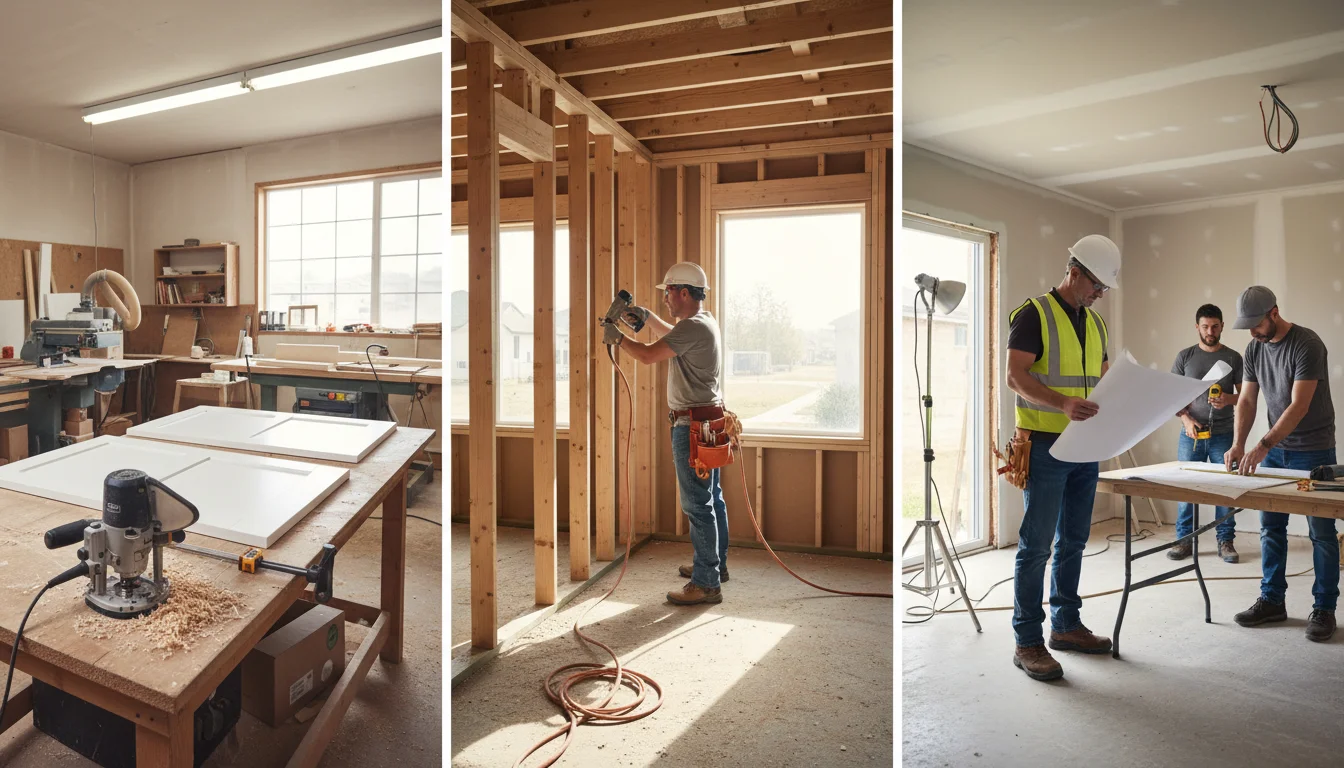
A cabinet maker specializes exclusively in designing, building, and installing cabinetry. A carpenter is a broad construction trade that includes framing, trim, and rough woodwork. A general contractor manages entire renovation projects and hires subcontractors. For custom kitchen cabinets, a dedicated cabinet maker delivers the highest quality because cabinetry is all they do.
This is the question homeowners get wrong more often than any other when planning a kitchen renovation. They assume that anyone who works with wood can build cabinets, or that a general contractor who's "done kitchens before" will deliver the same result as a cabinet specialist. Both assumptions lead to disappointment.
We're CabStone, a dedicated cabinet maker in Middleton, MA. We don't frame houses. We don't manage plumbing or electrical subcontractors. We design, build, and install custom cabinets - and that specialization is exactly why the cabinets we build are different from what you'd get by hiring a carpenter or a GC who subs out the cabinet work.
What a Cabinet Maker Actually Does
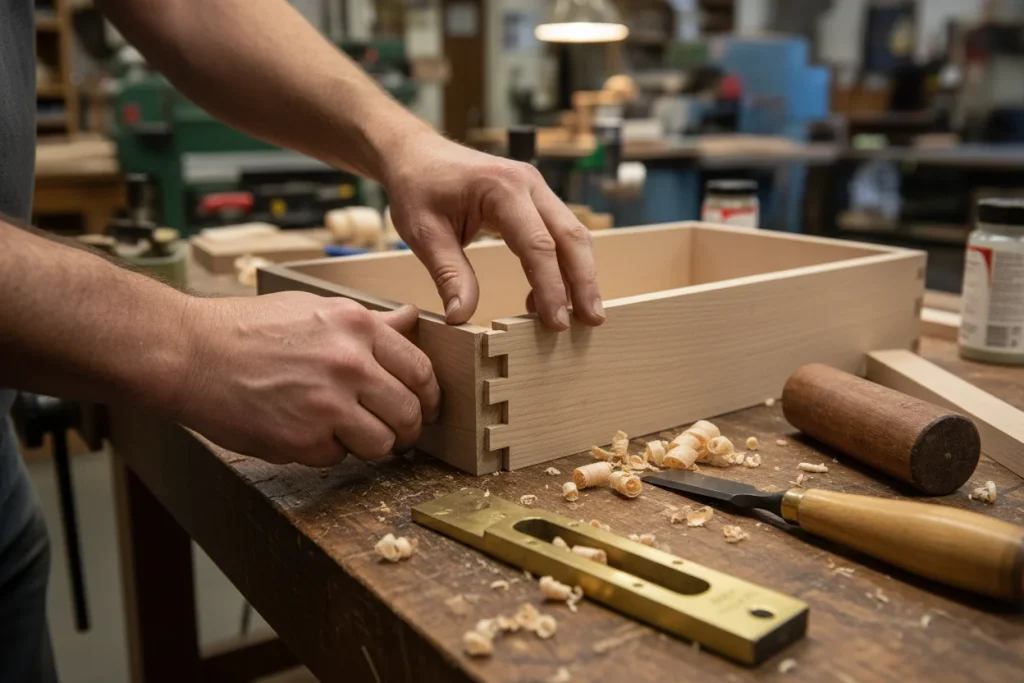
A cabinet maker designs and builds cabinetry from raw materials in a dedicated shop, then installs the finished product in your home. The work requires precision joinery, material expertise, finishing skills, and an understanding of how cabinets function in specific rooms - skills that take years of focused practice to develop.
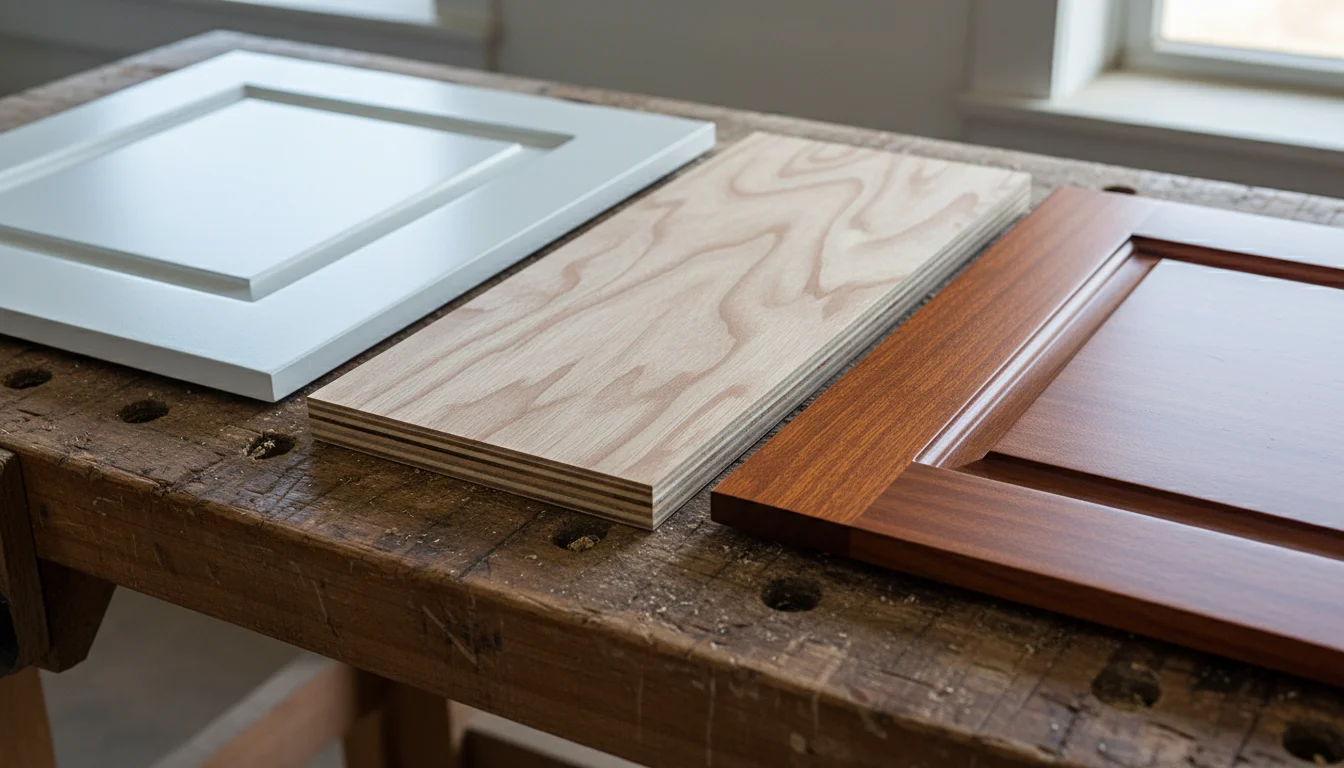
The term gets used loosely, so let's be specific. A cabinet maker works in a controlled shop environment where temperature, humidity, and dust are managed. They build cabinet boxes from plywood, cut and shape doors from MDF or solid hardwood, assemble face frames, hang doors, install drawer slides, and apply finishes - all before the cabinets ever reach your house.
The precision involved is what separates cabinet making from general woodwork. Cabinet doors need to be within 1/32 inch of each other to hang correctly. Drawer boxes need to be perfectly square for slides to function. Face frames need to be flat and true for doors to close flush. This is custom millwork - work that demands specialized tools, materials, knowledge, and years of practice.
A professional cabinet maker also handles design. They know standard cabinet dimensions, ergonomic clearances, and how different configurations affect kitchen workflow. They understand which materials perform best in which applications - MDF for painted doors, plywood for boxes, solid hardwood for stained components and face frames.
What a Carpenter Does (And Doesn't Do)
Carpentry is a broad construction trade covering framing, structural work, trim installation, and general woodwork. Some carpenters can build basic cabinets, but cabinetry is a subsidiary specialty within the trade - not the primary focus. The difference is like asking your family doctor to perform surgery: they understand the body, but that's not their daily work.
The Bureau of Labor Statistics defines carpenters as professionals who construct, repair, and install building frameworks and structures. That scope includes framing walls, installing doors and windows, building decks, hanging trim and molding, and yes, sometimes installing cabinets. But there's a critical distinction between installing cabinets someone else built and actually building them.
A skilled finish carpenter can do beautiful trim work - crown molding, baseboards, window casings, and built-in shelving. Some can build simple face-frame cabinet boxes on site. But shop-built custom cabinetry with precision joinery, properly sequenced finishing, and engineered hardware installation? That's a different discipline. It requires different tools, different training, and a different working environment than a job site can provide.
This isn't a knock on carpenters. They're essential to every home renovation. But when a homeowner hires a carpenter to "build some cabinets," the result is usually site-built boxes that lack the precision, finish quality, and hardware integration of shop-built work.
- Carpenters excel at framing, structural work, trim, molding, doors, windows, decks, and general on-site woodwork
- Cabinet makers excel at precision box construction, door fabrication, joinery, finishing, and hardware installation in a controlled shop
- The overlap is small - basic shelving and simple built-ins are where both trades can deliver comparable results
| Skill Area | Cabinet Maker | Carpenter | General Contractor |
| Custom cabinet design | Primary specialty | Limited | Subs it out |
| Precision joinery (dovetails, mortise-tenon) | Daily work | Occasional | Not applicable |
| Cabinet box construction | Primary specialty | Basic capability | Subs it out |
| Door and drawer fabrication | Primary specialty | Rarely | Subs it out |
| Finish application (paint, stain, lacquer) | In-house | Sometimes | Subs it out |
| Framing and structural work | Not applicable | Primary specialty | Manages subcontractors |
| Full kitchen renovation management | Cabinets only | Trade-specific work only | Primary role |
What a General Contractor Does
A general contractor manages entire renovation projects - permits, scheduling, budgeting, and coordinating multiple subcontractors, including plumbers, electricians, painters, and yes, cabinet installers. GCs are project managers first and tradespeople second. Their value is in coordination, not in the craft quality of any single trade.
If your project involves tearing out walls, moving plumbing, rewiring electrical, and installing new cabinets, you probably need a general contractor to manage the overall project. That's their strength. A good GC keeps the plumber, electrician, tile setter, painter, and cabinet installer all working in the right sequence without stepping on each other.
Here's where it gets tricky for kitchen remodel projects: the GC typically subs out the cabinet work to whoever they have a relationship with. That might be a dedicated cabinet maker. It might be a carpenter who does cabinets on the side. It might be a stock cabinet supplier with their own installation crew. You often don't get to choose, and the quality of the cabinets - the single most visible and most-used element of your kitchen - depends entirely on who that sub is.
When to Hire Which Professional
The right choice depends on your project scope:
- Hire a cabinet maker when cabinets are the primary scope - a kitchen cabinet replacement, a bathroom vanity build, mudroom built-ins, or any project where cabinetry quality is the main objective
- Hire a general contractor when the project involves multiple trades - a full kitchen gut renovation that requires structural work, plumbing, electrical, flooring, and cabinets all coordinated together
- Hire a carpenter when the work is general woodwork - trim installation, deck building, door replacement, basic shelving, or structural framing
The best outcomes on kitchen renovations often come from hiring both a GC for the overall project management and a dedicated cabinet specialist for the cabinetry, rather than letting the GC sub out the cabinets to whoever's available.
How CabStone Fits: A Specialist in a Generalist's World
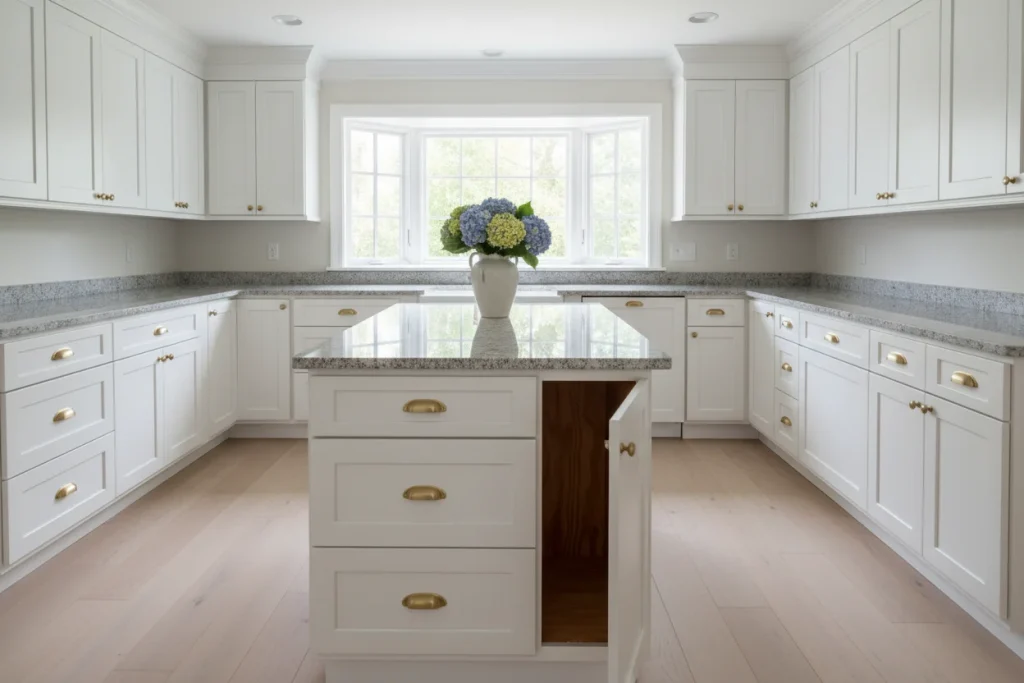
CabStone is a dedicated cabinet maker - not a general contractor who also does cabinets, and not a carpenter who builds cabinets on the side. We work with all three materials - MDF, plywood, and hardwood - and we focus entirely on cabinetry, from design through installation.
We work two ways on the North Shore. Some homeowners hire us directly for cabinet-only projects - a kitchen reface, a new bathroom vanity, or mudroom built-ins. Others work with a GC on a larger renovation and bring us in specifically for the cabinetry. Either way, the cabinets come from our shop, built to our standards, with our hardware and our finish work.
The difference shows up in details that most homeowners won't notice until they live with the cabinets for a few years. Drawers that still glide perfectly. Doors that close softly and stay aligned. Paint finishes that don't chip at the edges. Plywood boxes that don't swell around the sink. These aren't things you can see in a showroom - they're things you experience over time, and they're the direct result of hiring a trade professional whose entire focus is cabinet work.
Key Takeaways
- Cabinet makers specialize exclusively in cabinetry - designing, building, and installing in a controlled shop environment with precision tools and material expertise
- Carpenters are broad construction tradespeople - essential for framing, trim, and structural work, but cabinetry is a subsidiary skill, not their primary focus
- General contractors manage projects - they coordinate multiple trades but typically sub out cabinet work, and you may not control who does it
- For custom cabinets, specialization matters - the precision, finish quality, and hardware integration of shop-built cabinets is measurably different from site-built work
- The best kitchen renovations use both a GC and a cabinet specialist - coordination plus craft expertise delivers the highest quality result
- Always ask who's actually building the cabinets - whether you hire a GC or go direct, knowing which shop is producing your cabinets is essential
Frequently Asked Questions
Can a carpenter build kitchen cabinets?
Some skilled finish carpenters can build basic cabinet boxes on site. But shop-built custom cabinets require different tools, a controlled environment, and specialized skills in joinery, finishing, and hardware installation that most carpenters don't practice daily.
Is a cabinet maker more expensive than a general contractor for kitchen cabinets?
Not necessarily. When a GC subs out cabinet work, you're paying the GC's markup plus the sub's price. Going directly to a cabinet maker for the cabinetry portion can sometimes be comparable or even less expensive, with higher quality because you're working directly with the builder.
Do I need a general contractor if I'm only replacing cabinets?
If you're doing a cabinet-only replacement without moving plumbing, electrical, or walls, you probably don't need a GC. A cabinet maker can handle the removal, installation, and any minor carpentry adjustments needed for the new cabinets.
What credentials should a cabinet maker have in Massachusetts?
At minimum, a Massachusetts Home Improvement Contractor (HIC) registration, general liability insurance, and workers' compensation insurance. Beyond that, look for a dedicated shop, a portfolio of completed local work, and manufacturer certifications for any hardware or products they install.
Why can't a general contractor build cabinets of the same quality?
Most general contractors don't have a cabinet shop. They manage projects and coordinate subcontractors. The quality of the cabinets depends entirely on which sub they hire for the cabinet work, and that sub might be a specialist or a general woodworker.
What's the difference between a cabinet maker and a cabinet installer?
A cabinet maker designs and builds cabinets from raw materials. A cabinet installer hangs and secures pre-built cabinets in your home. Some companies do both. Others only install stock or semi-custom cabinets manufactured elsewhere. CabStone does both - we build and install.
Should I hire a cabinet maker directly or through my general contractor?
If your GC is open to it, hiring a dedicated cabinet maker directly for the cabinetry while the GC manages everything else often delivers the best result. You maintain direct communication with the person building your cabinets while still coordinating the project with the other trades.
How do I know if a GC is subbing out my cabinet work?
Ask directly: "Will your company build the cabinets in your own shop, or are you subcontracting the cabinet work?" If they're subbing it out, ask who the sub is, visit their shop if possible, and review their portfolio independently.
Can a cabinet maker handle the whole kitchen renovation?
Some can, but most specialize in cabinetry and partner with other trades for plumbing, electrical, and structural work. A cabinet maker who tries to manage an entire renovation outside their specialty may not provide the same level of coordination as a GC.
How long does it take a cabinet maker to build a kitchen's worth of cabinets?
Custom kitchen cabinets typically take six to twelve weeks from final design approval to completion in the shop, depending on complexity, material choices, and finish requirements. Installation usually adds another one to three days.
Conclusion
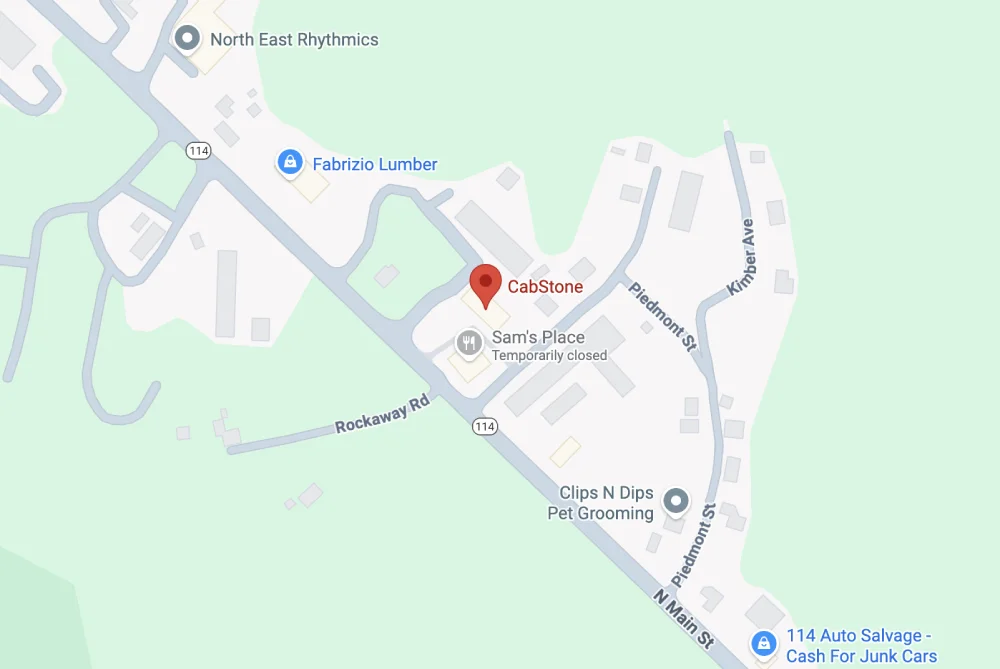
The difference between a cabinet maker, a carpenter, and a general contractor isn't about who's better. It's about who's the right fit for the specific work you need done. For custom cabinetry - the kind that's built to your room's exact dimensions, finished to withstand decades of daily use, and installed with precision hardware - a dedicated cabinet maker is the right call.CabStone builds custom cabinets for kitchens, bathrooms, mudrooms, and every other room across the North Shore. Call us at 617-699-3945 or visit 325A North Main Street, Middleton, MA 01949 to talk about your project.