Your Floors Cost a Fortune - Here's How to Make Them Last 30 Years
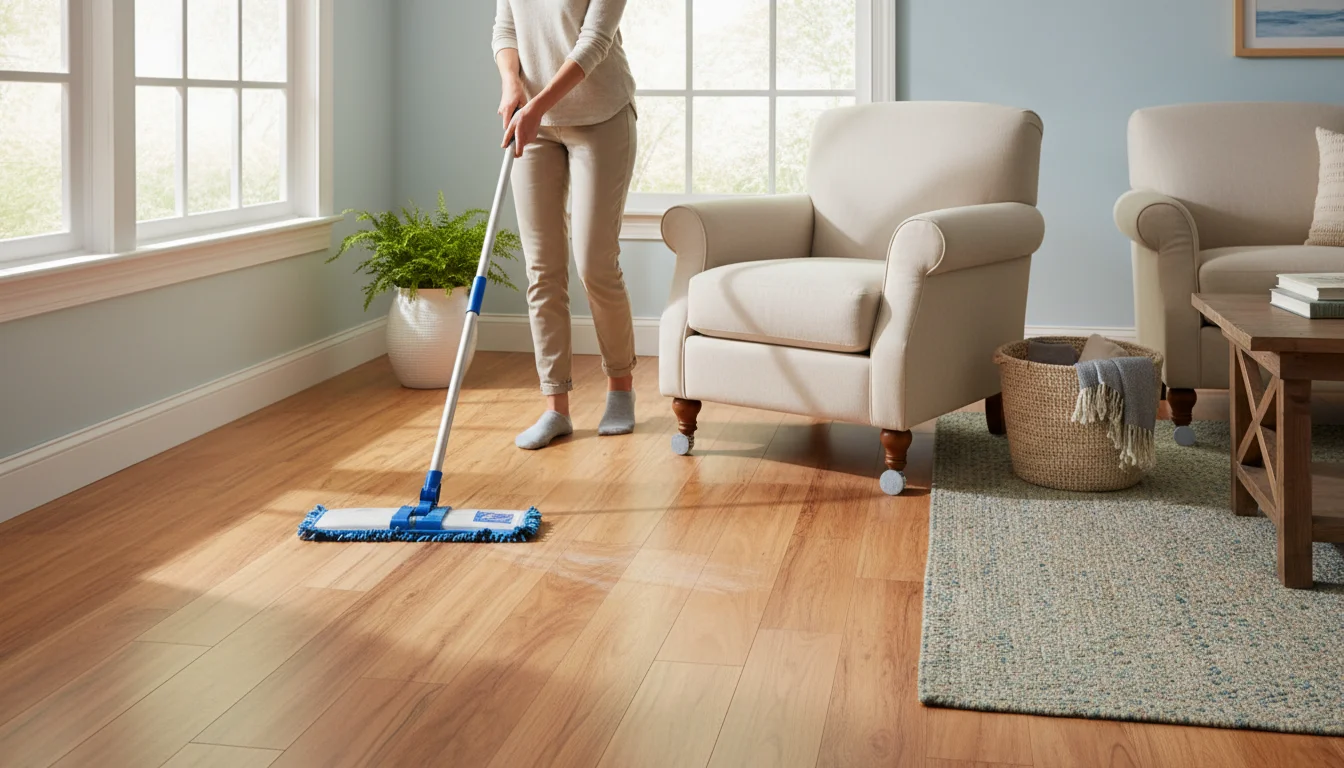
The three pillars of long-lasting floors are humidity control, proper cleaning products, and physical protection from scratches and impacts. Solid Hardwood, Engineered Hardwood, and SPC Luxury Vinyl each have specific care requirements, but the fundamentals are the same: keep moisture consistent, clean with the right products, and prevent damage before it happens.
You spent weeks choosing the perfect floors. You waited through the acclimation, the installation, the trim work, and the final walkthrough. Now you're standing on a surface that should look this good for decades, but only if you take care of it. The good news? Floor maintenance isn't complicated. It's just consistent.
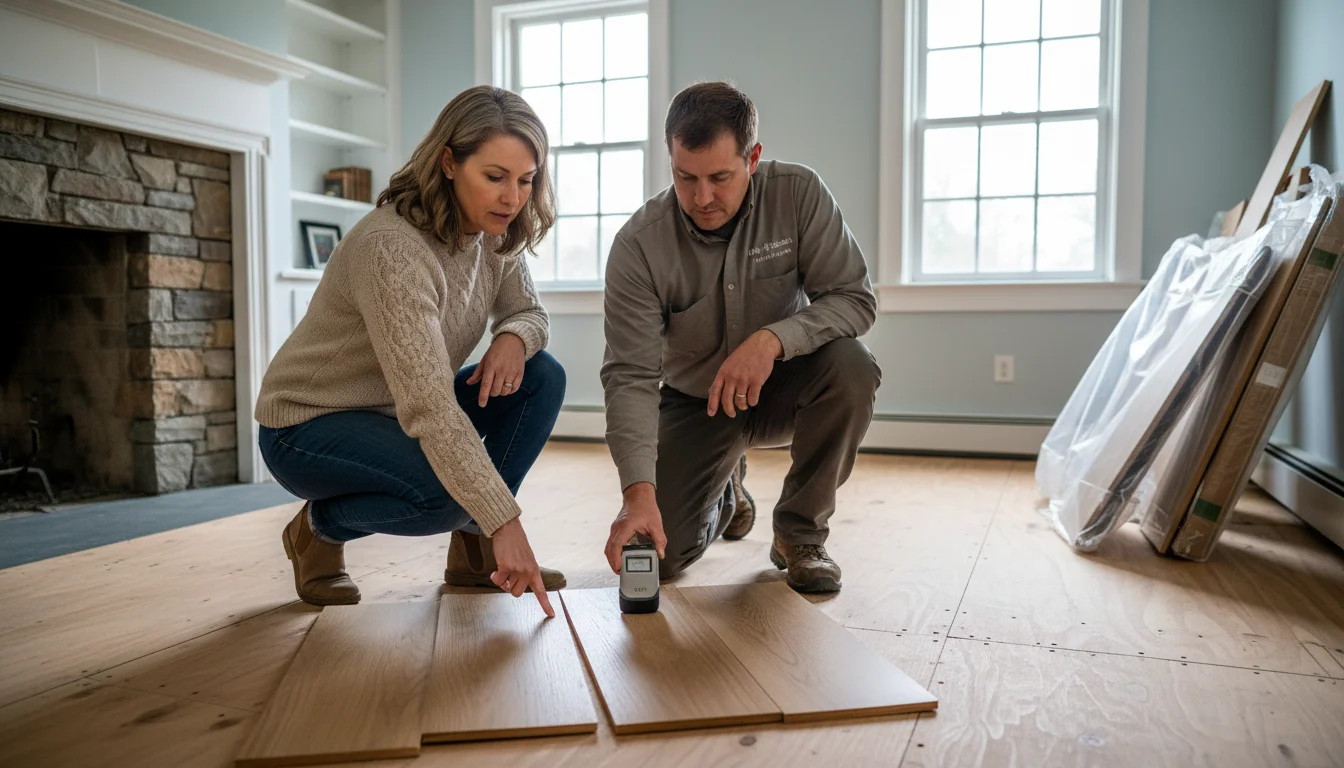
At CabStone, we install Solid Hardwood, Engineered Hardwood, and SPC Luxury Vinyl floors across the Boston North Shore. And every time we finish a project, we hand our clients a care guide because the floors we install are only as good as the maintenance they get afterward. This floor maintenance guide covers everything we tell our clients on walkthrough day, organized by material and broken down into daily, seasonal, and annual routines.
What's the Single Biggest Threat to Your Floors (And How Do You Control It)?
Humidity is the number one factor that determines whether your floors stay beautiful or develop gaps, cupping, crowning, or buckling. Wood floors expand when moisture rises and contract when it drops. Maintaining indoor relative humidity between 35% and 55% year-round is the most important thing you can do to protect your investment.
If you only take one thing from this entire guide, let it be this: control the moisture in your home. Everything else is secondary.
Why Humidity Matters More in New England
Massachusetts has some of the most dramatic seasonal swings in humidity in the country. Summer relative humidity regularly climbs above 70%, and winter indoor humidity can drop below 25% when the heat is running. That 45-point swing puts tremendous stress on wood floors. Solid Hardwood is the most sensitive because it's a single piece of milled lumber that absorbs and releases moisture across its entire cross-section. Engineered Hardwood handles it better because its layered construction resists movement. SPC Luxury Vinyl is the most dimensionally stable of the three, but even rigid core floors can respond to extreme temperature shifts.
Practical Humidity Control
The target is straightforward: keep your indoor relative humidity between 35% and 55% year-round. Here's how:
- Summer: Run your air conditioning or use a standalone dehumidifier in humid months. Basements and ground-floor rooms often need extra attention.
- Winter: Use a whole-home humidifier connected to your HVAC system, or run portable humidifiers in rooms with hardwood. In Massachusetts, winters with forced hot-air heating can pull indoor humidity below 20% without intervention.
- Year-round: Invest in a hygrometer (a basic humidity monitor) and place it in the main living area. These are inexpensive and give you real-time visibility into the conditions your floors are experiencing.
Small seasonal gaps in Solid Hardwood during winter are normal and expected. They close back up when humidity rises in spring. But if you let humidity swing wildly without any control, those gaps get wider and the boards may not fully recover.
| Season | Typical Indoor RH (MA) | Target RH | Action Needed |
| Summer (Jun-Sep) | 55-75% | 35-55% | Run the AC or the dehumidifier |
| Fall (Oct-Nov) | 40-60% | 35-55% | Usually, no action is needed |
| Winter (Dec-Mar) | 15-30% (with heat) | 35-55% | Humidifier required |
| Spring (Apr-May) | 35-55% | 35-55% | Usually, no action is needed |
What Should You Actually Clean Your Floors With (And What Should You Avoid)?
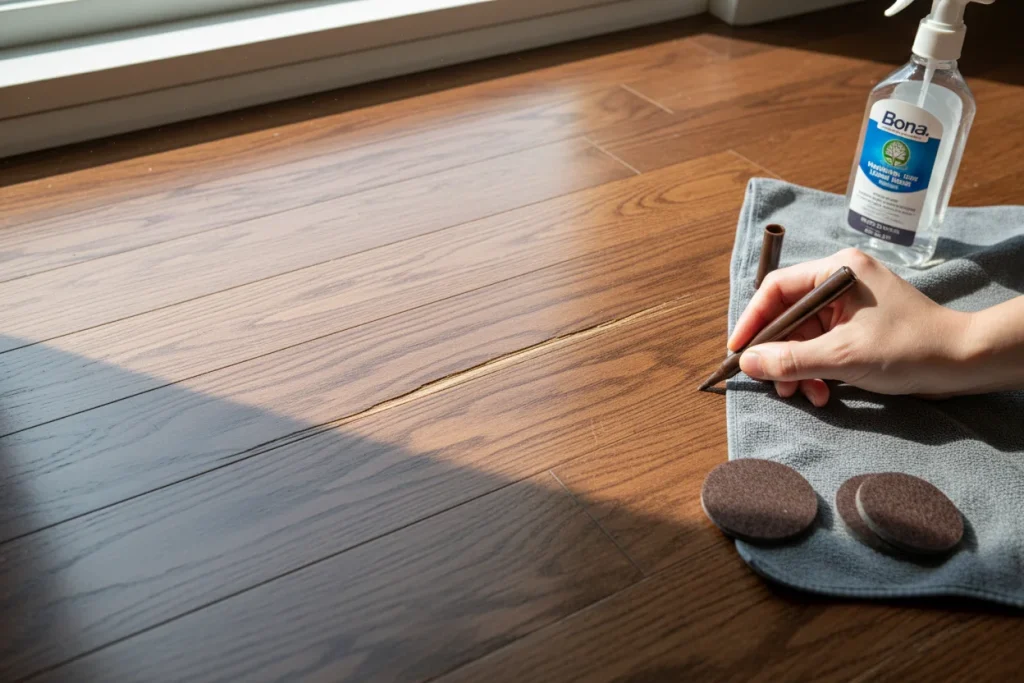
Use only manufacturer-recommended cleaners or a pH-neutral floor cleaner designed for your specific floor type. Never use vinegar, ammonia, steam mops, or all-purpose household cleaners on any hardwood or SPC Luxury Vinyl floor. These products can strip finishes, dull surfaces, and void manufacturer warranties.
The cleaning aisle at your hardware store has dozens of floor cleaning products, and most of them will damage your floors. That's not an exaggeration. The wrong cleaner is one of the most common reasons we see premature finish failure on hardwood floors we installed years earlier.
Solid Hardwood Cleaning
Solid Hardwood with a polyurethane finish needs very little moisture during cleaning. Sweep or vacuum (bare floor setting, no beater bar) daily in high-traffic areas. For deeper cleaning, use a flat microfiber mop with a spray bottle of the manufacturer's recommended hardwood cleaner. Spray a light mist on the floor, then mop in the direction of the grain. The mop should be damp, never wet. Standing water on hardwood causes swelling, finish clouding, and eventual board damage.
Never use oil soap, wax-based cleaners, or acrylic polish on a polyurethane-finished floor. These leave a residue buildup that dulls the surface and makes future recoating difficult. If your floor has an oil finish rather than polyurethane, the care routine is different, and your finish manufacturer will have specific recommendations for maintenance oil.
Engineered Hardwood Cleaning
Engineered Hardwood with a factory-applied finish cleans the same way as Solid Hardwood: dry-sweep or vacuum regularly, and damp-mop with an approved cleaner when needed. The key difference is that Engineered Hardwood has a thinner wear layer, which means it can be refinished fewer times over its life. Protecting that finish from abrasive cleaners and excessive moisture is even more critical.
SPC Luxury Vinyl Cleaning
SPC Luxury Vinyl is the easiest of the three to clean. It's waterproof at the plank level, so a damp mop won't cause structural damage. Regular sweeping or vacuuming removes grit that could scratch the wear layer, and a mild pH-neutral vinyl floor cleaner handles anything stickier. Avoid harsh chemicals, abrasive scrub pads, and rubber-backed mats, which can cause discoloration over time.
The EPA notes that many common household cleaning products contain volatile organic compounds that can affect indoor air quality. Choosing floor cleaners specifically formulated for your material isn't just about protecting the finish. It's also about keeping your indoor air clean, especially in tightly sealed New England homes during winter.
| Floor Type | Daily Care | Weekly/Biweekly Care | Never Use |
| Solid Hardwood | Sweep or vacuum (bare floor setting) | Damp microfiber mop with approved cleaner | Vinegar, ammonia, steam mop, oil soap, wax |
| Engineered Hardwood | Sweep or vacuum (bare floor setting) | Damp microfiber mop with approved cleaner | Vinegar, ammonia, steam mop, excess water |
| SPC Luxury Vinyl | Sweep or vacuum | Damp mop with pH-neutral vinyl cleaner | Abrasive pads, rubber-backed mats, and harsh chemicals |
How Do You Prevent Physical Damage Before It Happens?
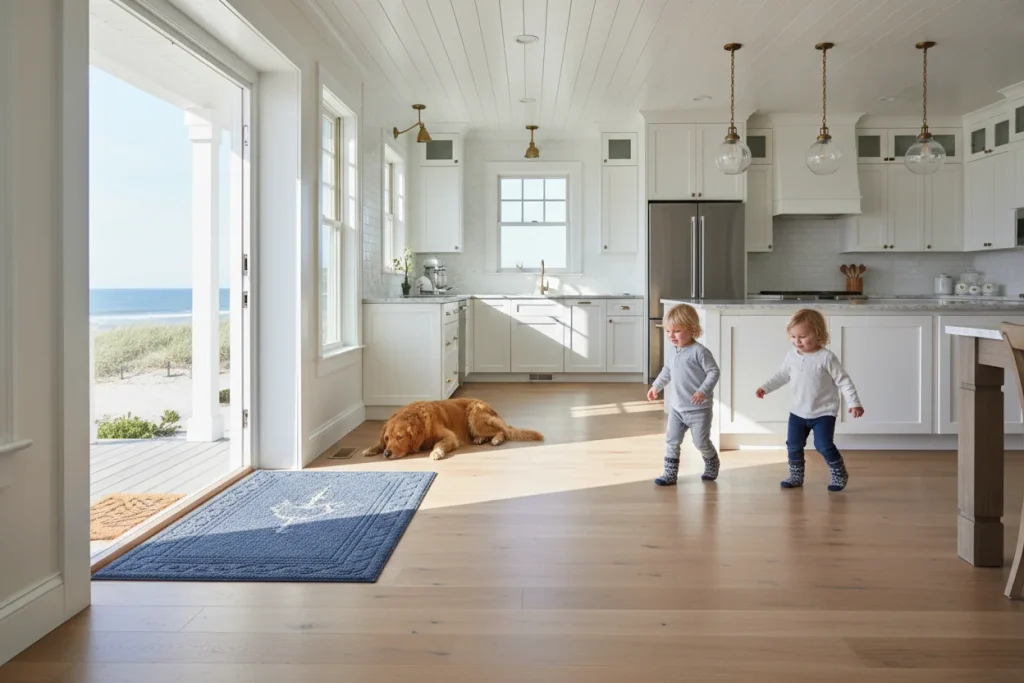
Felt pads under all furniture legs, entry mats at every exterior door, and a no-shoes policy are the three most effective preventive measures for any floor type. Physical damage from scratches, dents, and grit accounts for most of the visible wear we see on floors that are otherwise well-maintained.
Cleaning protects the finish. Physical protection prevents the damage that no amount of cleaning can fix.
Furniture Protection
Every piece of furniture that contacts the floor needs felt pads. Dining chairs are the worst offenders because they slide back and forth under load daily. Stick-on felt pads work, but they pick up grit and lose adhesion over time. We recommend the nail-in type for heavy furniture and replacing stick-ons every six months. For rolling office chairs, use a hard chair mat or switch to soft rubber casters rated for hard floors.
When moving heavy furniture or appliances, never drag them across the floor. Use furniture sliders or lift-and-carry. One drag across a hardwood floor can leave a gouge that's visible from across the room.
Entry Mats and Grit Control
Sand, grit, and small stones tracked in from outside act like sandpaper underfoot. They're the primary cause of surface scratching on all three floor types. Place high-quality entry mats at every exterior door, both outside and inside. The outside mat catches the heavy debris, and the inside mat catches what's left. Avoid rubber-backed mats on SPC Luxury Vinyl and hardwood, as the rubber can cause discoloration. Use mats with a breathable backing instead.
In a North Shore home, salt and sand from winter road treatment are a seasonal issue. Between November and April, you're tracking in abrasive material every time you come through the door. Shake out and clean entry mats weekly during these months.
Pet Considerations
Dogs are harder on floors than kids. Their nails scratch hardwood finishes, they track water and mud from outside, and large breeds can dent softer wood species. Keep nails trimmed, wipe paws at the door, and place a mat under water bowls. SPC Luxury Vinyl holds up better than hardwood against pet traffic, which is one of the reasons we recommend it for families with large dogs or multiple pets.
What Does a Long-Term Maintenance Schedule Look Like?
A complete floor maintenance plan operates on four timeframes: daily (sweep or vacuum high-traffic zones), weekly (damp mop with approved cleaner), seasonal (inspect for humidity damage, clean entry mats, check felt pads), and every five to seven years (professional evaluation of finish condition and potential recoat for hardwood floors).
Most people handle the daily and weekly routines fine. The seasonal and long-term tasks are where floors start to fall behind, and where small issues turn into expensive problems.
Seasonal Checklist
At each season change, walk through these checks:
- Inspect all felt pads and replace any that are worn, missing, or loaded with grit
- Check humidity levels and adjust humidifier/dehumidifier settings for the coming season
- Examine high-traffic areas for finish wear, especially hallways, kitchen work zones, and entries
- Clean and shake out entry mats, or replace if they've lost their grit-trapping ability
- Look for any new gaps, cupping, or discoloration that may indicate a moisture issue
The Five-to-Seven-Year Professional Check
Solid Hardwood and Engineered Hardwood floors with a site-applied polyurethane finish should be evaluated by a flooring contractor every five to seven years. The purpose isn't necessarily a full sand-and-refinish. Often, a maintenance recoat is all that's needed. A recoat applies a fresh layer of finish over the existing one without sanding down to bare wood. It restores the sheen, fills in micro-scratches, and significantly extends the floor's life. If you wait until the finish is completely worn through to the bare wood, you'll need a full refinish, which is more invasive and more expensive.
SPC Luxury Vinyl doesn't need professional recoating because its wear layer is a factory-applied protective film rather than a site-applied finish. When the wear layer eventually wears through after 15 to 25 years of use, the floor gets replaced rather than refinished. That's one of the trade-offs of vinyl versus hardwood, but for many homeowners, the decades of easy maintenance more than compensate.
If you're also maintaining custom kitchen cabinets or bathroom vanities from the same renovation, we recommend bundling your annual home check to include tightening cabinet hardware, adjusting soft-close hinges, and a finish inspection. A cabinetry and flooring contractor who installed both can evaluate everything in one visit.
| Timeframe | Task | Applies To | Why It Matters |
| Daily | Sweep or vacuum high-traffic areas | All floor types | Removes grit that causes scratches |
| Weekly | Damp mop with approved cleaner | All floor types | Removes buildup without damaging finish |
| Quarterly | Inspect felt pads, check humidity, and examine high-traffic wear | All floor types | Catches problems before they become expensive |
| Annually | Deep clean, replace worn entry mats, inspect transitions | All floor types | Maintains protective systems |
| Every 5-7 years | Professional finish evaluation, potential maintenance recoat | Solid Hardwood, Engineered Hardwood | Extends floor life by decades, avoids full refinish |
| Every 15-25 years | Wear layer evaluation, potential replacement | SPC Luxury Vinyl | The factory wear layer cannot be recoated |
Key Takeaways
- Maintaining indoor humidity between 35% and 55% is the single most important maintenance step for any wood floor in Massachusetts.
- Use only manufacturer-recommended or pH-neutral cleaners. Vinegar, ammonia, and steam mops damage finishes and can void warranties.
- Felt pads under all furniture legs prevent the scratch damage that no amount of cleaning can reverse. Replace stick-on pads every six months.
- Entry mats at every exterior door catch the grit and sand that cause surface scratching, especially during New England's salt-heavy winters.
- SPC Luxury Vinyl is the most maintenance-friendly option for high-traffic homes, pet owners, and moisture-prone rooms.
- Schedule a professional maintenance check every 5 to 7 years for hardwood floors to evaluate the finish condition and address wear before refinishing becomes necessary.
Frequently Asked Questions
How often should I clean my hardwood floors?
Sweep or vacuum high-traffic areas daily and damp mop with a manufacturer-recommended cleaner once a week or biweekly. The mop should be damp, never wet.
Can I use vinegar to clean my floors?
No. Vinegar is acidic and will strip the finish from hardwood and Engineered Hardwood floors over time. It can also dull the surface of SPC Luxury Vinyl. Use a cleaner specifically designed for your floor type.
What indoor humidity level should I maintain for hardwood floors?
Keep indoor relative humidity between 35% and 55% year-round. In Massachusetts, this typically means running a humidifier in winter and a dehumidifier or AC in summer.
Are steam mops safe for any type of floor?
No. Steam mops force hot moisture into seams and finishes, causing swelling, clouding, and delamination. We don't recommend them for Solid Hardwood, Engineered Hardwood, or SPC Luxury Vinyl.
How do I prevent furniture from scratching my floors?
Use felt pads under all furniture legs, especially dining chairs that slide frequently. Replace stick-on pads every six months. For rolling chairs, use a hard chair mat or soft rubber casters rated for hard floors.
How often do hardwood floors need to be refinished?
With proper maintenance, most hardwood floors need a recoat every 5 to 7 years and a full sand-and-refinish every 15 to 20 years. SPC Luxury Vinyl cannot be refinished but typically lasts 15 to 25 years before replacement.
What's the best type of entry mat for protecting floors?
Use a coarse-bristle mat outside the door and a soft, absorbent mat inside. Avoid rubber-backed mats on hardwood and SPC Luxury Vinyl, as rubber can cause discoloration. Choose mats with breathable fabric backing.
Can dogs ruin hardwood floors?
Dog nails can scratch hardwood finishes, especially softer species. Keep nails trimmed, wipe paws at the door, and consider SPC Luxury Vinyl in high-pet-traffic areas for better scratch and moisture resistance.
Do SPC Luxury Vinyl floors need any special maintenance?
SPC Luxury Vinyl requires the least maintenance of the three types CabStone installs. Sweep or vacuum regularly, damp mop with a pH-neutral vinyl cleaner, and avoid abrasive pads and harsh chemicals. No refinishing is needed.
What's the difference between a recoat and a full refinish?
A recoat applies a fresh layer of finish over the existing coating without sanding to bare wood. A full refinish sands down to raw wood, then applies a new stain and finish. Recoats are faster, less invasive, and less expensive.
Conclusion
A floor maintenance guide doesn't need to be complicated to be effective. Control your humidity, clean with the right products, protect against physical damage, and check in on the finish condition every few years. Those four habits are the difference between floors that look tired after five years and floors that still look great after thirty.
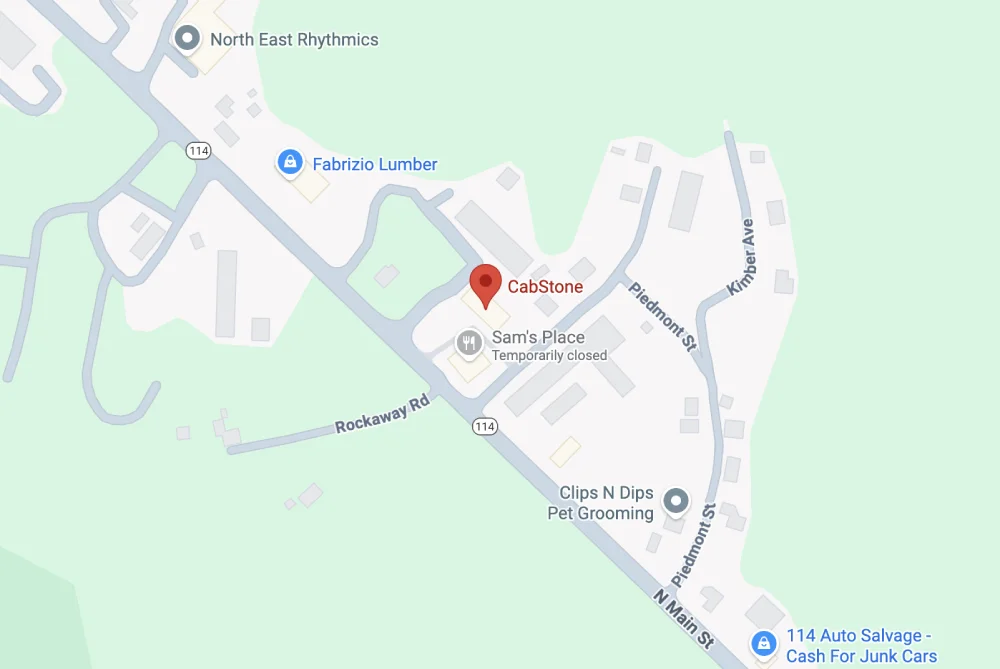
If you have questions about maintaining floors we've installed, or if you need a professional evaluation on floors that are starting to show wear, CabStone is here to help. Call us at 617-699-3945 or stop by 325A North Main Street, Middleton, MA 01949.