How to Hire a Cabinet Contractor in Massachusetts: The Complete Guide

Hiring a cabinet contractor in Massachusetts requires verifying their Home Improvement Contractor (HIC) registration with the state, confirming active insurance and a Construction Supervisor License, checking references from completed projects, and getting a detailed written contract before any work begins. Skipping any of these steps puts your project and your money at risk.
We're going to be honest with you: hiring the wrong contractor is one of the most expensive mistakes a homeowner can make. And with cabinet projects, the stakes are high because the work is visible, permanent, and deeply personal. A bad paint job can be redone in a weekend. A poorly built or badly installed set of kitchen cabinets? That's a problem you'll live with for years.
At CabStone, we're a cabinet contractor based in Middleton, MA, and we've been on both sides of this equation. We've won jobs because the homeowner did their homework and chose us for the right reasons. And we've inherited projects from other contractors who disappeared mid-job or delivered work that didn't hold up. This guide lays out exactly how to vet a cabinet contractor in Massachusetts, so you hire someone who does the job right the first time.
What Credentials Should a Cabinet Contractor Have in Massachusetts?
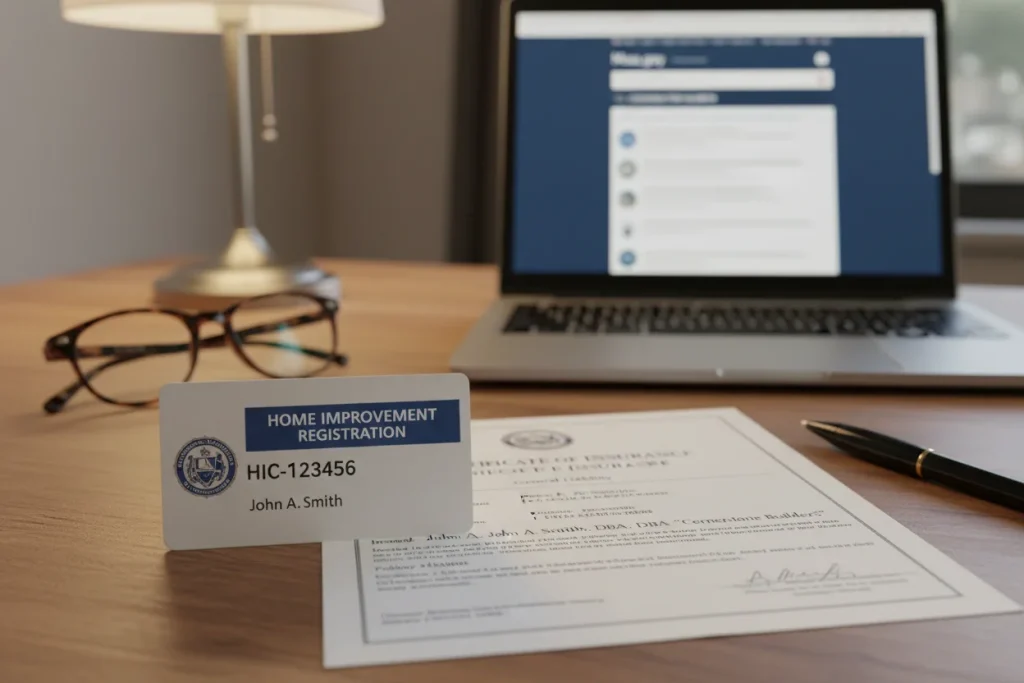
Every cabinet contractor performing work on an owner-occupied residential property in Massachusetts must hold an active Home Improvement Contractor (HIC) registration with the Office of Consumer Affairs and Business Regulation. Depending on the scope of work, they may also need a Construction Supervisor License (CSL). Both are verifiable through the state's online contractor resource portal.
Massachusetts has some of the strongest contractor oversight laws in the country. That's actually good news for you as a homeowner, because it means there's a clear framework for verifying whether someone is legitimate before you hand over a deposit.
HIC Registration
The HIC registration is the baseline. Any contractor or subcontractor who solicits, bids on, or performs work on an existing one-to-four unit owner-occupied property must be registered. This includes cabinet installation, kitchen remodels, bathroom vanity projects, and related carpentry work. The registration number should appear on all advertising, contracts, and building permits. If a contractor can't produce their HIC number or it doesn't check out on the state's lookup tool, walk away. Hiring an unregistered contractor means you lose access to the state's arbitration program and Guaranty Fund if something goes wrong.
Construction Supervisor License (CSL)
The CSL is separate from the HIC registration and is required for contractors who supervise construction work regulated by the Massachusetts State Building Code. If your cabinet project involves structural modifications, wall removal, or any work that requires a building permit, the contractor or their on-site supervisor must have a valid CSL. This license requires passing an exam that demonstrates knowledge of the state building code.
Insurance
A legitimate cabinet contractor carries both general liability insurance and workers' compensation coverage. General liability protects your property if something gets damaged during the project. Workers' comp covers the contractor's employees if someone gets injured on your job site. Without it, you could be liable. Ask for a current Certificate of Insurance (COI) and verify directly with the insurance carrier that the policy is active. Don't just take a photocopy at face value.
What About Specialty Certifications?
Some contractors hold certifications from industry organizations like the National Kitchen & Bath Association (NKBA) or manufacturer-specific training programs. These aren't legally required, but they signal that the contractor invests in continuing education and meets standards beyond the state minimum. A professional cabinet maker who takes the time to stay certified is telling you something about how seriously they take their craft.
| Credential | Required By Law? | How to Verify | What It Means for You |
| HIC Registration | Yes (residential work) | Mass.gov MA Contractor Hub lookup | Access to state arbitration and Guaranty Fund |
| Construction Supervisor License | Yes (if building permit required) | Mass.gov CSL lookup | Contractor knows state building code |
| General liability insurance | Not legally mandated, but industry standard | Request COI, call the carrier to verify | Your property is covered if damaged |
| Workers' compensation | Required if the contractor has employees | Request COI, verify with the carrier | You're not liable for on-site injuries |
| NKBA or trade certifications | No | Ask the contractor for documentation | Signals continuing education and industry knowledge |
What Questions Should You Ask Before Signing Anything?
The right questions reveal whether a contractor is organized, communicative, and experienced with your specific type of project. Ask about their process for handling design changes, their typical project timeline, how they manage subcontractors, and whether they've completed projects similar to yours in size and scope.
Credentials get a contractor past the first gate. The conversation is what tells you whether they're the right fit for your project and your home.
About Their Experience
Not all cabinet work is the same. A contractor who specializes in pre-fabricated cabinet installation may not be equipped to handle a fully custom kitchen build with specialty finishes and integrated appliances. Ask specifically:
- How many cabinet projects have you completed in the past 12 months?
- Do you build custom cabinets in your own shop, or do you install cabinets manufactured by a supplier?
- Have you worked on projects of similar size and complexity?
- Can you show me photos or let me visit a recently completed project?
A custom cabinet maker should be able to walk you through their build process, show you the materials they use, and explain why they make specific construction choices. If the answers are vague or the contractor redirects every question to price, that's a signal.
About Communication and Project Management
Cabinet projects touch multiple trades, especially in kitchens, where plumbing, electrical, countertop fabrication, and sometimes flooring all need to be coordinated. Ask how the contractor manages that coordination:
- Who is my primary point of contact during the project?
- How do you handle design changes or unexpected issues once work has started?
- What's your typical timeline for a project like mine?
- Do you use subcontractors, and if so, are they also licensed and insured?
About Their Contract and Payment Terms
Massachusetts law requires a written contract for any home improvement work exceeding a certain threshold. Beyond the legal minimum, a good contract protects both parties. We'll cover contract specifics in the next section, but the question is simple: "Can I see a sample contract before we move forward?" If a contractor hesitates or says they work on handshake agreements, that's a red flag.
| Question Category | What to Ask | What a Good Answer Sounds Like |
| Experience | "How many similar projects have you done?" | Specific number, offers photos or site visit |
| Build process | "Do you build in-house or install supplier cabinets?" | Clear explanation of their shop and process |
| Communication | "Who is my point of contact?" | Named person with defined availability |
| Timeline | "How long will this take, start to finish?" | Specific estimate with phases explained |
| Subcontractors | "Do your subs carry their own insurance?" | Yes, with documentation available |
| Changes | "What happens if I want to change something mid-project?" | Written change order process |
| Contract | "Can I see a sample contract?" | Yes, provides it without hesitation |
What Should the Contract Include?
A Massachusetts home improvement contract must include the contractor's HIC registration number, a detailed description of the work, a payment schedule, start and completion dates, and a notice of your right to cancel within three business days. Beyond those legal requirements, a strong contract also covers change order procedures, warranty terms, and cleanup responsibilities.
The contract is your protection. If something goes wrong and you need to file a complaint with the state's Office of Consumer Affairs and Business Regulation (OCABR), the first thing they'll ask for is a copy of the signed contract. No contract, no arbitration, no access to the Guaranty Fund.
Required Elements Under Massachusetts Law
Massachusetts home improvement law mandates that every contract include:
- The contractor's full legal name, address, and HIC registration number
- A detailed description of the work to be performed
- The total contract price (or a method for determining it)
- A payment schedule tied to project milestones, not calendar dates
- Approximate start and completion dates
- A notice that the homeowner has the right to cancel within three business days
- A statement that the contractor will obtain all required permits
What You Should Add Beyond the Minimum
The legal minimums protect you at a basic level, but a strong contract goes further. Push for these additions:
- Change order process: Defines how design changes are handled, documented, and priced. Without this, verbal disputes become he-said-she-said.
- Warranty terms: Specifies what's covered, for how long, and how warranty claims are handled. We provide a written warranty on all CabStone cabinet work.
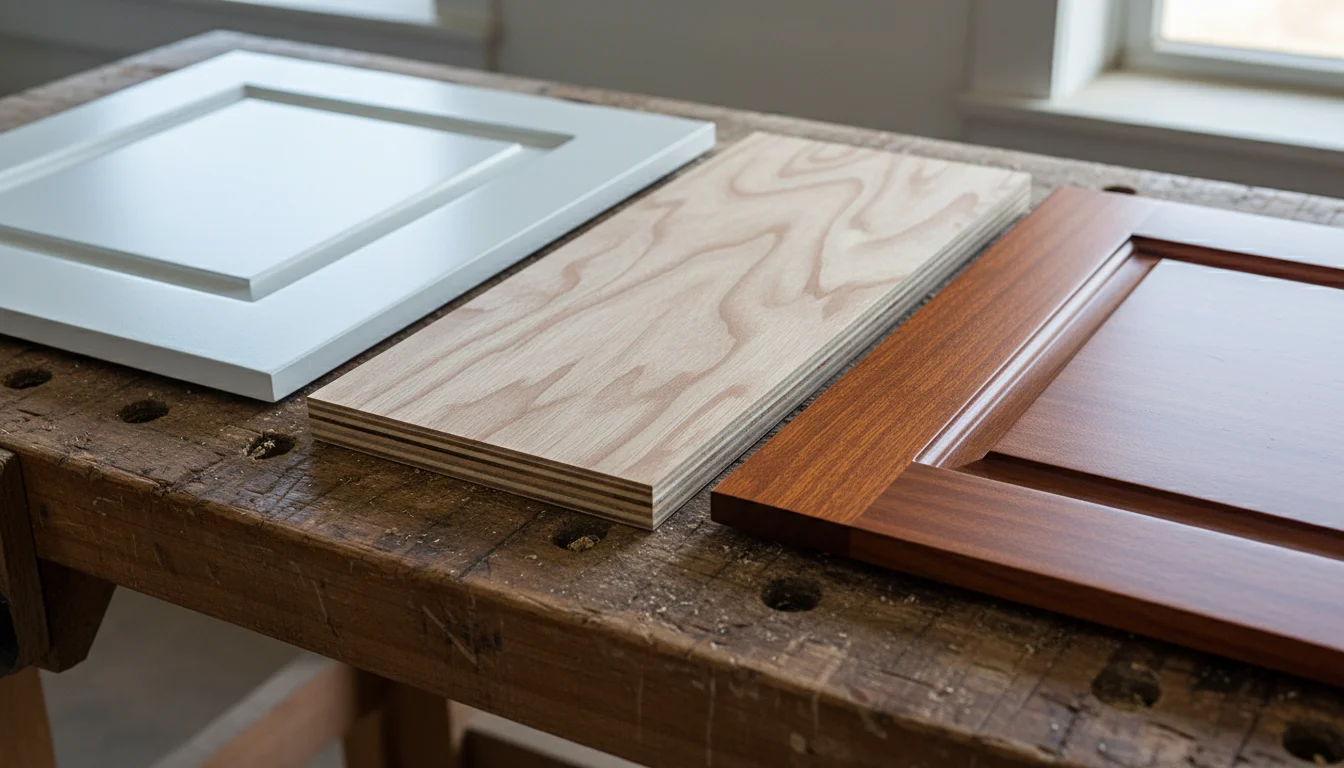
- Material specifications: Lists exact materials, brands, and finishes. "White shaker cabinets" is too vague. "Maple plywood box, MDF shaker door, Benjamin Moore White Dove OC-17 paint finish" is a contract spec.
- Cleanup and disposal: States that are responsible for daily cleanup, debris removal, and final site condition.
- Dispute resolution clause: Specifies whether disputes go to OCABR arbitration, mediation, or court.
Payment Schedule Red Flags
Massachusetts law limits the deposit a contractor can collect before work begins. A reasonable payment schedule ties payments to milestones: a deposit upon contract signing, a payment upon receipt of materials, a payment at a midpoint milestone, and a final payment upon completion and walkthrough. If a contractor asks for 50% or more upfront before any work has started, that's a serious red flag. If they want cash only with no receipts, that's another one.
What Are the Biggest Red Flags When Hiring a Cabinet Contractor?

The most dangerous red flags are an unverifiable HIC registration, no written contract, a demand for large upfront cash payments, no physical business address, and an unwillingness to provide references. Any one of these should be enough to move on to the next contractor on your list.
After years in this business, we've heard the horror stories from homeowners who wish they'd paid closer attention to the warning signs. Here's what to watch for.
No HIC Registration or Expired License
This is the most basic check and the most common failure. Some contractors let their registration lapse. Others never registered in the first place. Either way, if the registration doesn't check out on the state portal, do not proceed. You lose all state-level consumer protections the moment you hire an unregistered contractor.
No Physical Address or Online Presence
A contractor who operates out of a truck with no shop address, no website, and no online reviews is harder to hold accountable if something goes wrong. That doesn't mean every contractor needs a huge showroom, but you should be able to verify where they work and find some digital footprint. Check the Better Business Bureau, Google reviews, and local community forums for feedback from past clients.
Pressure to Start Immediately
A contractor who pushes you to sign today with a "this price is only good for 24 hours" approach is using pressure tactics. Legitimate contractors understand that homeowners need time to compare bids, check references, and review contracts. Rushed timelines benefit the contractor, not you.
Vague or Missing Warranty
If a contractor won't commit to a written warranty, that tells you they're not confident in their own work. A reputable cabinet installation contractor stands behind their craftsmanship and their materials. At CabStone, we put our warranty terms in writing because we know the work holds up.
Unusually Low Bids
A bid that's dramatically lower than two or three other bids for the same scope of work should raise questions, not excitement. Low bids often mean cheaper materials, unlicensed subcontractors, or a contractor who plans to charge for "extras" once the job is underway. Compare bids line by line and ask each contractor to explain any significant differences.
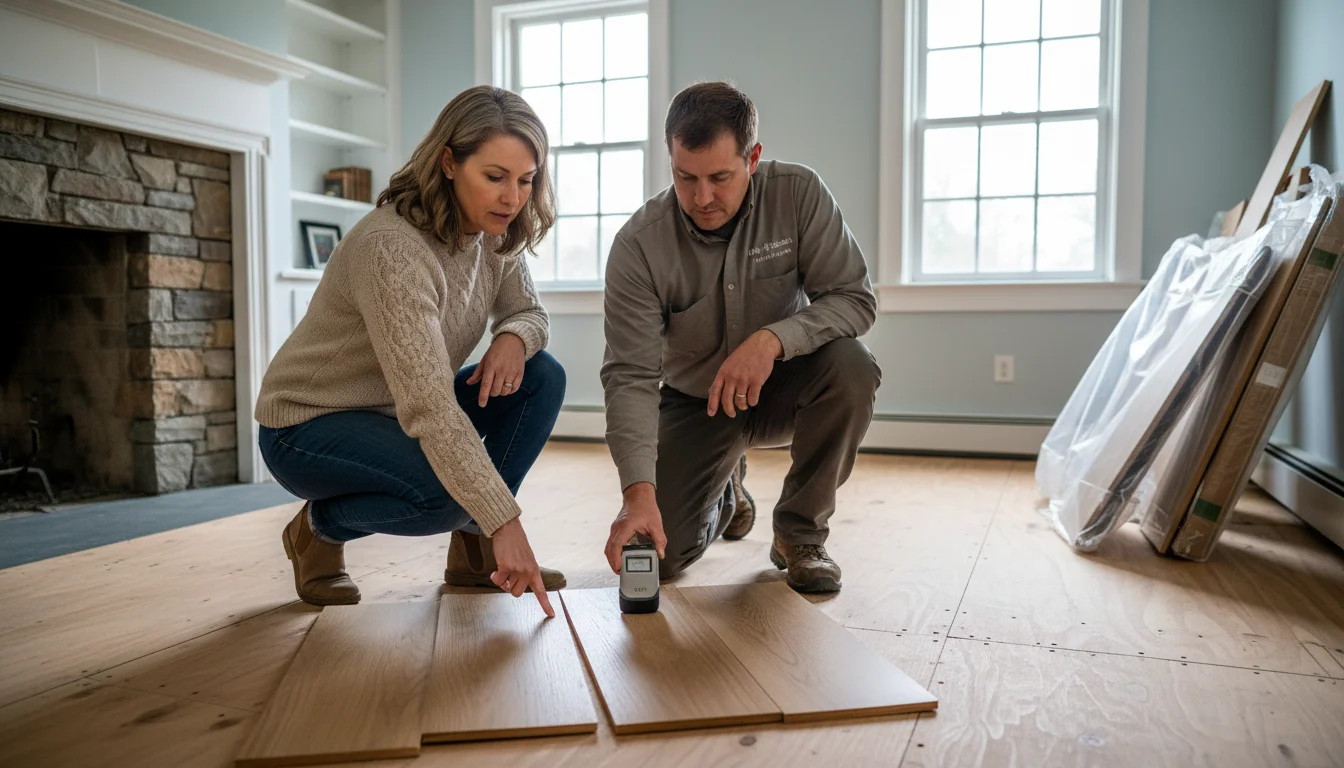
If you're also planning to update your floors during a kitchen or bathroom renovation, ask whether the contractor coordinates with a flooring contractor or handles both trades. Working with a cabinetry and flooring company that manages cabinet and floor installation under one roof eliminates the scheduling conflicts and finger-pointing that happen when multiple unrelated contractors share a job site.
| Red Flag | Why It Matters | What to Do |
| Unverifiable HIC registration | No state consumer protections | Walk away immediately |
| No written contract | No legal recourse in disputes | Require contract before any payment |
| Large upfront cash payment | High risk of abandonment | Tie payments to milestones |
| No physical address or reviews | Harder to hold accountable | Verify address, check online presence |
| Pressure to sign immediately | Prevents proper vetting | Take time to compare and verify |
| Unusually low bid | Likely cutting corners on materials or labor | Compare bids line by line |
| No warranty offered | Contractor doesn't stand behind their work | Require written warranty in contract |
Key Takeaways
- Every cabinet contractor working on residential property in Massachusetts must hold an active HIC registration. Verify it on mass.gov before signing anything.
- Ask for a Certificate of Insurance covering both general liability and workers' compensation, and verify the policy directly with the carrier.
- A good contractor welcomes detailed questions about their experience, process, and communication style. Evasive answers are a red flag.
- Massachusetts law requires written contracts for home improvement work. Insist on one even for smaller projects.
- Material specifications in the contract should be exact, not generic descriptions like "white cabinets" or "wood doors."
- Never pay more than a reasonable deposit upfront, and tie all remaining payments to completed milestones rather than calendar dates.
Frequently Asked Questions
How do I verify a cabinet contractor's HIC registration in Massachusetts?
Visit the MA Contractor Hub on mass.gov and search by the contractor's name or registration number. The results will show their registration status, expiration date, and any recorded complaints.
Is a Construction Supervisor License different from an HIC registration?
Yes. The HIC registration is required for residential contracting on owner-occupied properties. The CSL is required for supervising work regulated by the state building code. Some projects require both.
What's a reasonable deposit for a custom cabinet project?
A deposit of one-third of the total contract price or the cost of materials is standard. Be cautious of any contractor requesting more than one-third upfront before work begins.
Do I need a written contract for a small cabinet project?
Massachusetts law requires written contracts for home improvement work above a certain dollar amount. Even for smaller projects, a written contract protects both parties and is required for state arbitration access.
What insurance should a cabinet contractor carry?
At minimum, general liability insurance and workers' compensation (if they have employees). Ask for a Certificate of Insurance and verify the policy directly with the insurance carrier.
How many bids should I get for a cabinet project?
Three bids is the standard recommendation. This gives you a range to identify outliers and compare scope, materials, and timelines across contractors.
What happens if my contractor abandons the project mid-job?
File a complaint with the Massachusetts OCABR. If the contractor is HIC-registered and you have a written contract, you may be eligible for arbitration and the Guaranty Fund, which can compensate up to a set amount for unpaid judgments.
Can I file a complaint against an unregistered contractor?
You can file a complaint, but you won't be eligible for state arbitration or Guaranty Fund compensation. This is why verifying HIC registration before hiring is so important.
Should I hire the contractor with the lowest bid?
Not necessarily. The lowest bid may reflect cheaper materials, unlicensed subcontractors, or a scope that doesn't match the other bids. Compare bids line by line and ask contractors to explain any significant price differences.
How do I know if a contractor's references are legitimate?
Ask for at least three references from projects completed in the past 12 months. Call each reference and ask specific questions about communication, timeline accuracy, quality of work, and whether they'd hire the contractor again.
Conclusion
Hiring a cabinet contractor in Massachusetts is a process that rewards patience and due diligence. The homeowners who end up with beautiful, lasting cabinetry are the ones who verified credentials, asked the right questions, read the contract carefully, and chose a contractor based on trust and evidence rather than just the lowest bid.
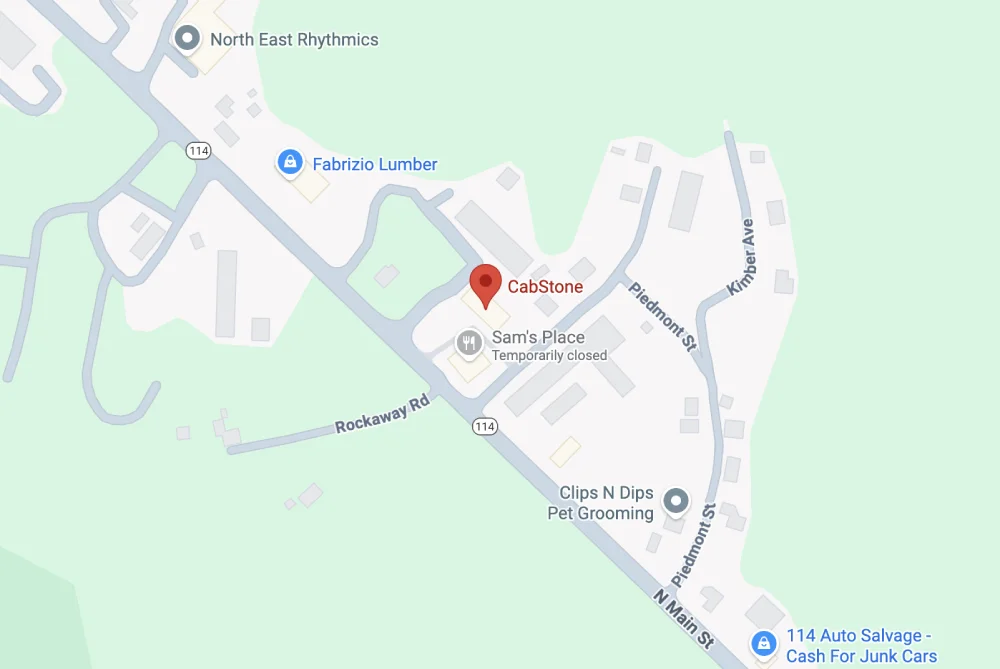
If you're planning a cabinet project on the North Shore or anywhere in the greater Boston area, CabStone is a fully registered, licensed, and insured cabinet contractor based in Middleton. We welcome every question in this guide because we know our answers hold up. Call us at 617-699-3945 or visit us at 325A North Main Street, Middleton, MA 01949.