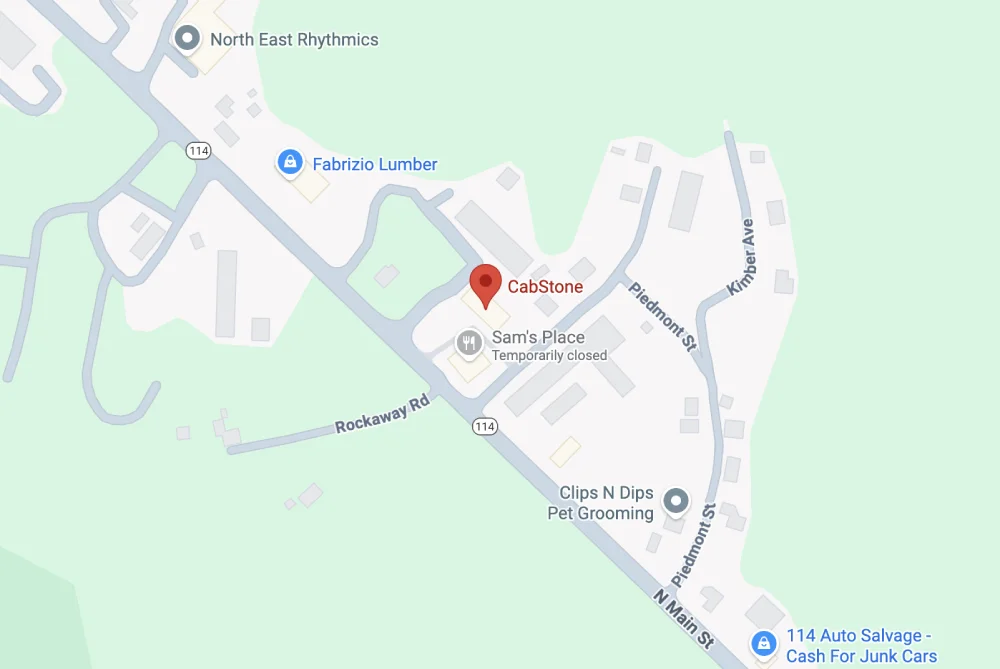
Flooring Contractor in Middleton, MA: Hardwood, Engineered & SPC Vinyl Guide
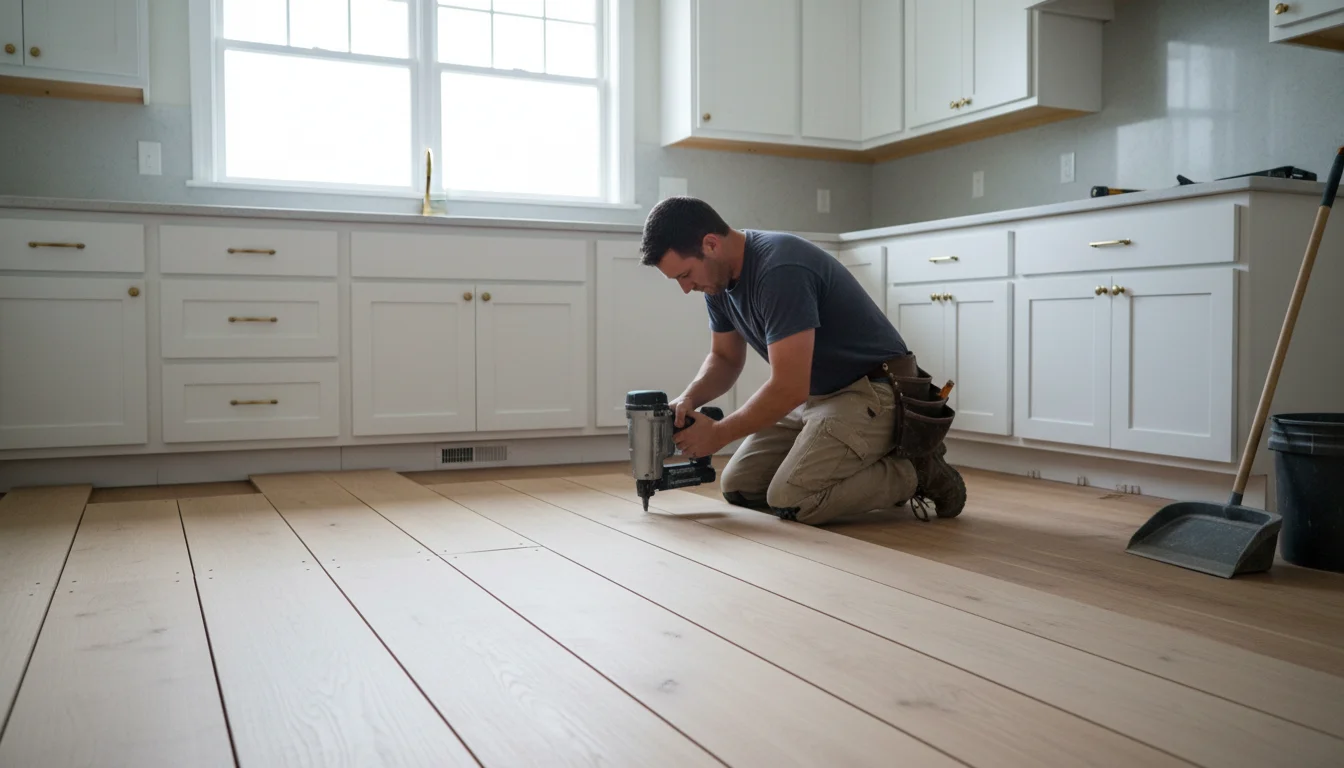
CabStone is a dedicated flooring contractor in Middleton, MA, specializing in three product categories: solid hardwood, engineered hardwood, and SPC luxury vinyl. We're not a general contractor who happens to install floors — flooring is one of our core trades, and we handle every project from subfloor assessment through final walkthrough.
If you're looking for a flooring contractor on the North Shore who actually specializes in residential flooring — not a jack-of-all-trades who subcontracts the install — CabStone works directly with homeowners across Middleton, Danvers, Topsfield, Boxford, North Andover, and the surrounding area.
This guide explains how professional flooring installation works, what separates a specialist from a generalist, and how to make sure your floors are installed correctly the first time.
What a Dedicated Flooring Contractor Does Differently
A flooring specialist understands subfloor science, material behavior, and installation methods at a level that general contractors and handymen simply don't. The difference shows up in the details — moisture readings, acclimation protocols, transition planning, and long-term performance.
Here's the reality: flooring installation looks simple from the outside. Planks click together or get nailed down. How hard can it be? But the majority of flooring failures we get called to fix weren't caused by bad products — they were caused by bad installation.
A dedicated flooring installation contractor brings three things a generalist doesn't:
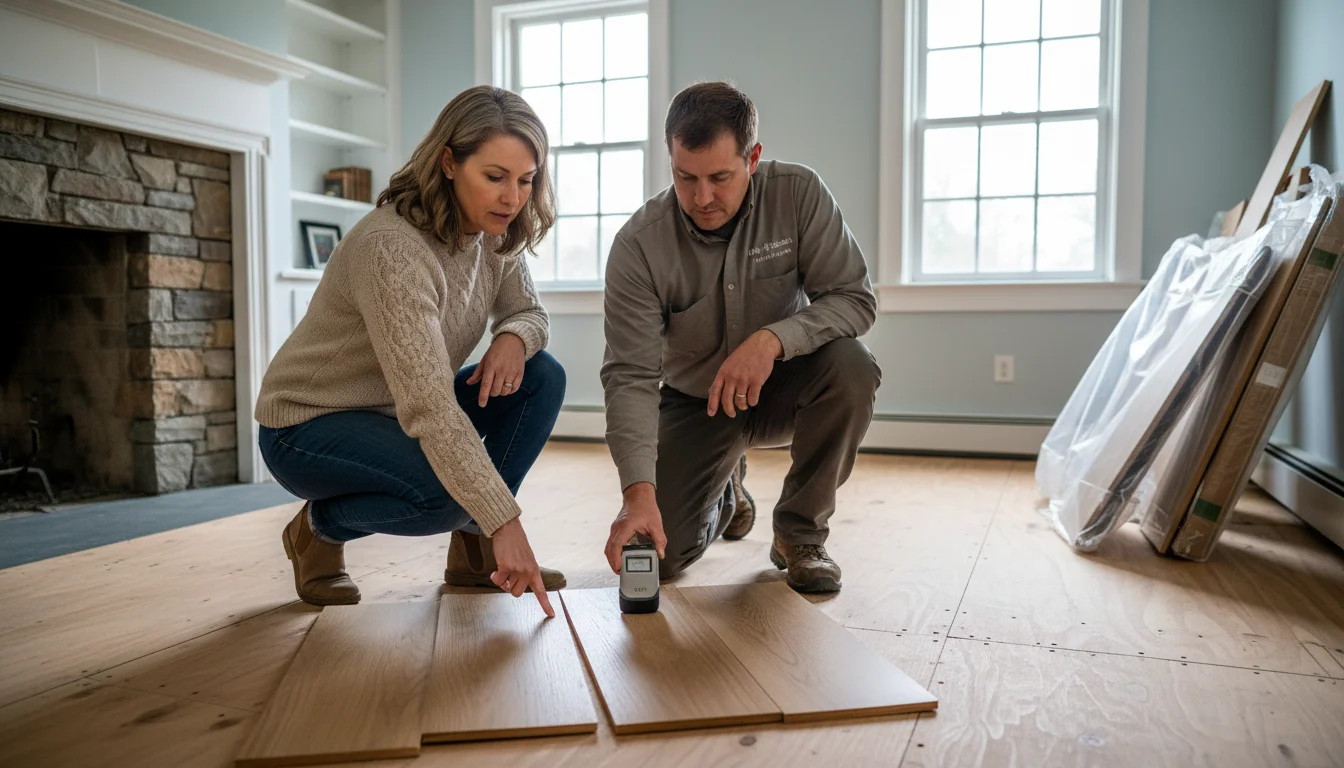
Subfloor expertise. Before a single plank goes down, we test the subfloor's moisture content with calibrated meters. Concrete slabs get calcium chloride tests or relative humidity probe readings. Wood subfloors get pin-tested and checked for flatness. If moisture levels exceed manufacturer specifications, the flooring goes back in the box until conditions are right. Skipping this step is the number-one cause of hardwood cupping, buckling, and warranty voidance we see on the North Shore.
Material-specific installation knowledge. Solid hardwood gets nail-down installed to a wood subfloor. Engineered hardwood can be floated, glued, or nailed, depending on the subfloor type and manufacturer requirements. SPC luxury vinyl clicks together as a floating installation over virtually any subfloor. Each method has different tolerances, tools, and sequencing, and a flooring specialist knows when to use which.
Transition and trim work. Where different flooring materials meet — hallway to bathroom, kitchen to living room, stairs to landing — the transition needs to look intentional, not like an afterthought. A specialist carries the full range of transition profiles (T-moldings, reducers, stair nosing) and custom-fits them to the space.
| Service | Flooring Specialist | General Contractor | Handyman |
| Subfloor moisture testing | Standard on every job | Sometimes | Rarely |
| Material acclimation protocol | Follows manufacturer specs | Often skipped | Usually skipped |
| Nail-down hardwood installation | Core competency | Subcontracted out | Not qualified |
| Click-lock SPC installation | Core competency | May handle in-house | May attempt |
| Custom transition work | In-house | Subcontracted | Basic only |
| Warranty compliance | Follows all manufacturer requirements | Inconsistent | No documentation |
The Three Flooring Categories We Install
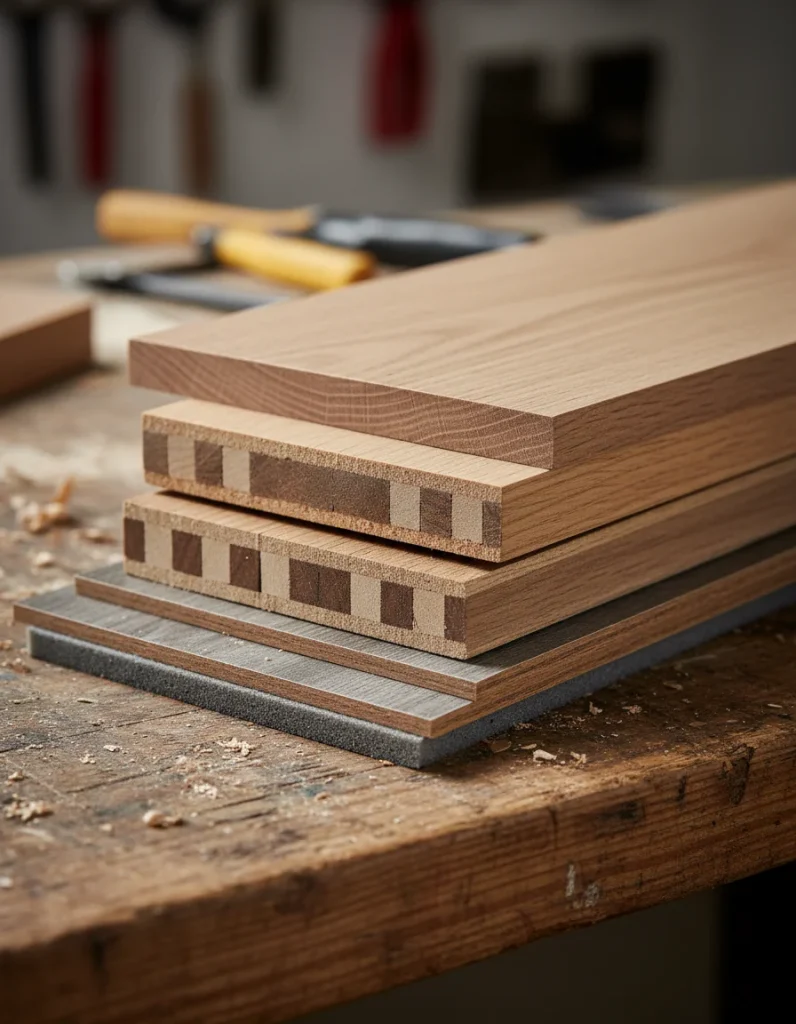
CabStone installs solid hardwood, engineered hardwood, and SPC luxury vinyl — the three product types that cover every residential application on the North Shore, from formal living rooms to finished basements.
We covered these materials in depth in our flooring buying guide, but here's the installation-focused perspective.
Solid Hardwood Installation
Solid hardwood — typically 3/4-inch oak, maple, or hickory — is installed with nails to a wood subfloor using a pneumatic flooring nailer. The boards need a minimum of 72 hours to acclimate to your home's conditions before installation begins. We stagger the boards, maintain proper expansion gaps at walls, and cross-check moisture readings throughout the install.
Solid hardwood cannot be installed over concrete or below grade. If your home has a slab foundation or you're finishing a basement, solid hardwood is off the table — we'll steer you toward engineered or SPC instead.
Engineered Hardwood Installation
Engineered hardwood offers installation flexibility that solid wood can't match. Depending on the product and subfloor, we install it using float-over-underlayment, glue-down to concrete, or nail-down to plywood. Engineered planks are dimensionally stable enough for radiant heat systems, concrete slabs, and open-concept layouts where minimizing seasonal movement matters.
The EPA's formaldehyde emission standards apply to engineered hardwood products containing composite wood cores. We only install products that are TSCA Title VI compliant, which ensures that the adhesives used in layered construction meet federal emission limits.
SPC Luxury Vinyl Installation
SPC (stone plastic composite) luxury vinyl installs as a floating floor using a click-lock system. No nails, no glue, no fasteners to the subfloor. It goes over concrete, plywood, existing tile, and even existing vinyl — as long as the surface is reasonably flat and clean.
SPC is the only product we install in bathrooms, basements, and any room with a direct water-exposure risk. It's 100% waterproof, dimensionally stable across temperature swings, and the rigid core handles the uneven subfloors we regularly encounter in older North Shore homes.
The installation is faster than hardwood — a typical room takes a day or less — and the click-lock system means the floor can be walked on immediately after installation. No waiting for adhesive to cure, no off-gassing period.
| Product | Installation Method | Subfloor Requirement | Acclimation Time | Walk-On Time |
| Solid Hardwood | Nail-down (pneumatic nailer) | Wood subfloor only | 72+ hours | Immediate (nail-down) |
| Engineered Hardwood | Float, glue-down, or nail-down | Wood or concrete | 48–72 hours | 24 hours (glue-down) |
| SPC Luxury Vinyl | Click-lock floating | Any hard surface | Reach room temp (minimal) | Immediate |
What Happens Before Installation Day
The most important work in a flooring project happens before anyone starts laying planks. Subfloor preparation, moisture testing, and material acclimation determine whether your floors perform for decades or fail within years.
Moisture Testing
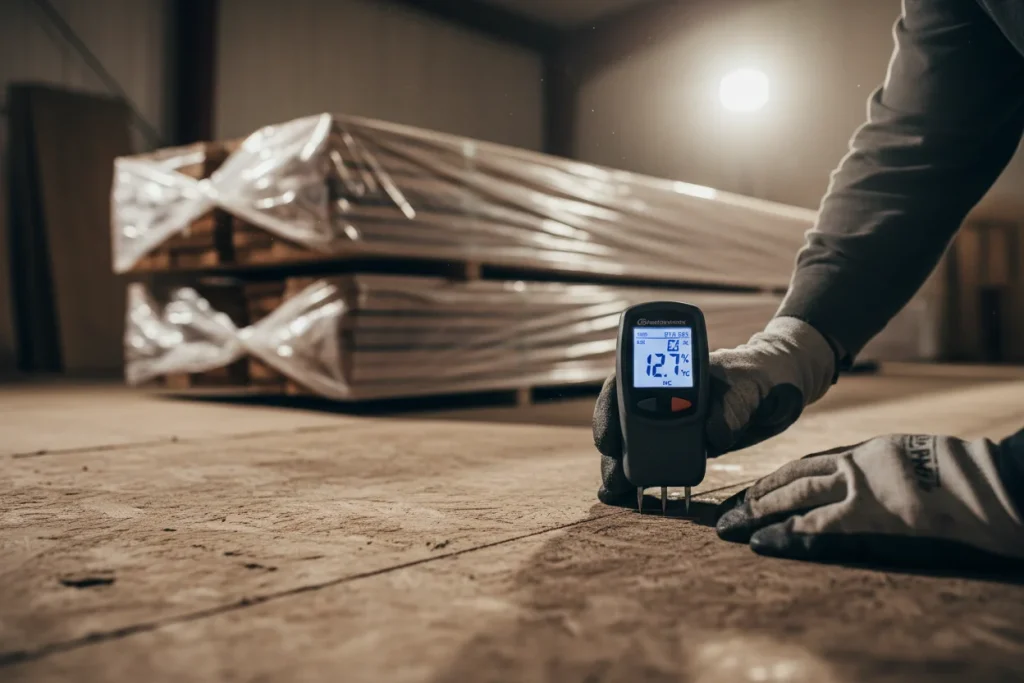
Every project starts with moisture readings. For concrete subfloors, we use calcium chloride testing or in-situ relative humidity probes — the method depends on the flooring manufacturer's warranty requirements. For wood subfloors, we use pin-type moisture meters at multiple points across the room. If readings exceed the acceptable range for the specified product, we pause. Installing over wet subfloors is the fastest path to cupped hardwood, delaminated engineered planks, and mold growth.
Subfloor Inspection and Repair
We check flatness with a straightedge — most flooring manufacturers require the subfloor to be flat within 3/16 inch over a 10-foot span. High spots get ground down. Low spots get filled with leveling compound. Loose boards get re-fastened. Squeaky areas get screwed. This prep work isn't glamorous, but it's what prevents callbacks.
Acclimation
Solid hardwood needs to reach equilibrium with your home's temperature and humidity before installation. We deliver the material and leave it stacked in the rooms where it'll be installed for a minimum of 72 hours — sometimes longer in Massachusetts, where seasonal humidity swings are extreme. Engineered hardwood typically needs 48–72 hours. SPC luxury vinyl is less sensitive but should still reach room temperature.
Room Preparation
Furniture gets moved. Existing flooring gets removed and disposed of. Baseboards come off (we reinstall them after the new floor goes in). Doors get checked for clearance — new flooring height often requires trimming the bottoms of doors. Appliances get moved or worked around, depending on the scope.
| Pre-Installation Step | Solid Hardwood | Engineered Hardwood | SPC Luxury Vinyl |
| Moisture testing | Required — pin meter | Required — varies by method | Recommended for concrete |
| Flatness check | Required — 3/16" per 10 ft | Required — 3/16" per 10 ft | Required — 3/16" per 10 ft |
| Acclimation | 72+ hours | 48–72 hours | Reach room temperature |
| Baseboard removal | Yes — reinstalled after | Yes — reinstalled after | Yes — reinstalled after |
| Door trimming | Often needed | Often needed | Sometimes needed |
How to Vet a Flooring Contractor in Massachusetts
The same Massachusetts HIC registration requirement that applies to cabinet contractors applies to flooring installers. Any contractor performing residential flooring work on an owner-occupied property must be registered with the Office of Consumer Affairs and Business Regulation.
Beyond the HIC registration, here's what to verify:
- Product-specific experience. Ask whether they regularly install the specific product you've chosen — not just "hardwood" or "vinyl" but the exact brand and format. Installation requirements vary between manufacturers, and warranty compliance depends on following specific protocols.
- Subfloor testing equipment. A qualified flooring contractor owns calibrated moisture meters and uses them on every job. If they don't mention moisture testing during the estimate, ask. If they dismiss it, move on.
- Transition and trim capabilities. Ask to see examples of their transition work — where hardwood meets tile, where SPC meets carpet, where flooring meets stairs. This is where installation quality is most visible and where shortcuts are most obvious.
- Warranty documentation. A professional flooring contractor provides written documentation of the installation method, acclimation records, and moisture readings. Without this paperwork, most manufacturer warranties are void from day one.
At CabStone, we provide all documentation — moisture readings, acclimation logs, product specifications, and installation method records — with every completed project. It protects you, and it protects us.
Key Takeaways
- A dedicated flooring contractor tests moisture, follows acclimation protocols, and installs to manufacturer specs — general contractors and handymen frequently skip these steps, leading to premature floor failure.
- Solid hardwood is nail-down only on wood subfloors — it can't go over concrete or below grade.
- Engineered hardwood offers the most installation flexibility — float, glue, or nail over wood or concrete subfloors.
- SPC luxury vinyl is the only product suitable for bathrooms, basements, and water-risk rooms — it's 100% waterproof and installs over any hard surface.
- Subfloor preparation is the most overlooked phase of flooring installation and the primary cause of long-term performance problems.
- Your flooring schedule should coordinate with your cabinet maker and overall home renovation timeline — floors typically go in after paint and before cabinetry.
Frequently Asked Questions
What types of flooring does CabStone install?
CabStone installs three categories: solid hardwood (oak, maple, hickory), engineered hardwood, and SPC luxury vinyl. These three product types cover every residential application from formal living rooms to finished basements.
How long does a typical flooring installation take?
A single room takes one to two days depending on the product. A full-home flooring project — including subfloor prep, acclimation, installation, and trim — typically runs five to ten working days.
Can you install hardwood floors over concrete?
Solid hardwood cannot be installed over concrete. Engineered hardwood can be glued down to concrete with proper moisture testing. SPC luxury vinyl clicks directly over concrete with minimal subfloor prep.
Why does flooring need to acclimate before installation?
Wood flooring absorbs and releases moisture based on its environment. Acclimation brings the material to equilibrium with your home's temperature and humidity, preventing excessive expansion or contraction after installation.
What is SPC luxury vinyl?
SPC stands for stone plastic composite. It's a rigid-core luxury vinyl product that's 100% waterproof, installs with a click-lock floating system, and mimics the look of real wood. CabStone installs it in kitchens, bathrooms, basements, and mudrooms.
How do I know if my subfloor is ready for new flooring?
A qualified flooring contractor tests moisture levels, checks flatness with a straightedge, and inspects for loose boards, squeaks, and structural issues before recommending any product. This assessment is standard on every CabStone project.
Do you install flooring in basements?
Yes — but only engineered hardwood (with proper moisture management) or SPC luxury vinyl. Solid hardwood should never be installed below grade due to moisture concerns.
What areas does CabStone serve for flooring installation?
CabStone serves Middleton, Danvers, Topsfield, Boxford, North Andover, Peabody, Salem, Beverly, and the broader Boston North Shore area.
Should flooring go in before or after kitchen cabinets?
In most renovation sequences, flooring goes in after drywall and painting but before cabinet installation. This ensures a clean, finished floor surface under and around the cabinets.
What happens if my subfloor has moisture issues?
We pause the project until conditions improve. Options include running dehumidifiers, applying moisture barriers, or switching to a more moisture-tolerant product. Installing over a wet subfloor voids manufacturer warranties and guarantees long-term problems.
Conclusion
Hiring a flooring contractor in Middleton, MA who specializes in residential flooring means the difference between floors that perform for decades and floors that start showing problems within a year. The subfloor science, acclimation discipline, and installation precision that a specialist brings to every job can't be replicated by a generalist who installs floors as a side service.
CabStone installs solid hardwood, engineered hardwood, and SPC luxury vinyl across Middleton and the North Shore — and we handle every project from the first moisture reading to the final walkthrough.