Choosing Flooring for Homes With Pets, Kids or Heavy Use: Durable Solutions
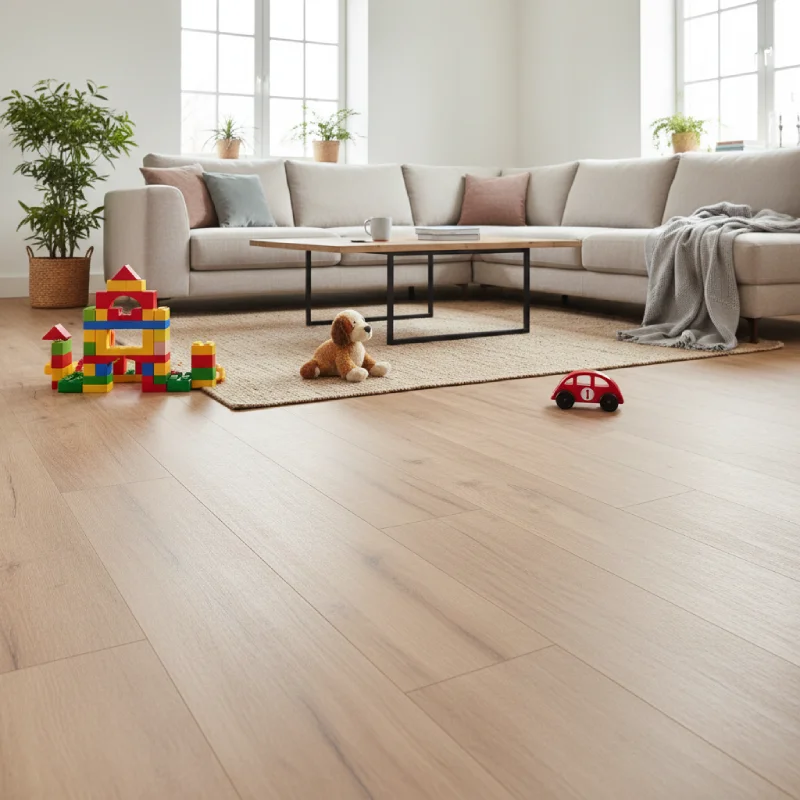
Active households with pets and children require flooring that resists scratches, moisture, and heavy wear—luxury vinyl plank, tile, and laminate offer the best combination of durability, waterproofing, and low-maintenance performance for high-traffic areas.
If you've got pets tracking mud through the house or kids spilling juice in the kitchen, you already know that flooring takes a beating. As a flooring contractor team who installs and repairs floors across the Boston area, we see firsthand which materials hold up and which fail within a few years.
The wrong flooring choice means refinishing scratched hardwood, replacing warped laminate, or dealing with stains that won't come out. Choosing the right material with guidance from a trusted home renovation partner ensures surfaces clean easily, resist damage, and look good for decades despite constant use.
This guide breaks down which flooring materials actually perform in active households, what protective features matter most, and how maintenance practices extend your floor's lifespan regardless of what material you choose.
Key Takeaways
- Luxury vinyl plank (LVP) offers waterproof construction with 20-30 mil wear layers ideal for kitchens, bathrooms, and high-moisture areas
- Tile flooring provides maximum durability for mudrooms and entryways, with porcelain absorbing less than 0.5% water
- Laminate delivers affordable scratch resistance with 15-25 year lifespan when properly maintained in active households
- Protective strategies like area rugs, regular pet nail trimming, and consistent cleaning routines significantly extend floor longevity
- Hardwood species like Brazilian Walnut (3,680 Janka) and Hickory (1,820 Janka) resist dents better than softer woods
Understanding Active Household Flooring Needs
Active families need surfaces that handle constant wear, moisture exposure, and accidental damage without showing it. Data confirms this reality—37% of U.S. homeowners completed flooring projects in the last year, with 18% driven specifically by new children or pets joining the household.
Hard flooring surfaces outperform carpet in these environments, resisting scratches, stains, and water damage that would ruin softer materials. The key is balancing durability requirements with aesthetics and budget constraints.
What Makes Flooring "Durable" for Families
Laminate and vinyl are generally tougher than wood for high-traffic applications, while porcelain tile offers superior wear resistance for the most demanding households. The material must resist scratches from pet claws, handle moisture from spills and tracked-in water, and clean easily without special products or extensive effort.
| Household Challenge | Flooring Requirement | Best Materials |
| Pet claws, toy impacts | Scratch resistance | LVP, tile, strand bamboo |
| Spills, tracked water | Moisture protection | LVP, porcelain tile |
| Constant foot traffic | Wear layer durability | Tile, quality laminate, LVP |
| Accidents, food drops | Stain resistance | Tile, sealed LVP, laminate |
Luxury Vinyl Plank: The Waterproof Champion
LVP has become the go-to flooring for active households because it solves the moisture problem that ruins traditional materials. Its waterproof core construction prevents the swelling and warping that destroy hardwood and standard laminate in kitchens and bathrooms.
The tough wear layer—typically 20 to 30 mils thick—provides serious protection against scratches from pet claws and dents from dropped objects. Quality LVP maintains its appearance even in sun-exposed rooms where cheaper materials fade.
Maintenance and Longevity
LVP requires minimal effort to maintain—regular sweeping and occasional mopping with pH-neutral cleaners keeps it looking new. With a typical lifespan of 10 to 25 years, LVP proves cost-effective long-term, requiring fewer replacements than other flooring types.
The click-lock floor installation system minimizes water migration at joints, while proper expansion gaps and sealed edges prevent moisture infiltration. For families managing frequent spills and constant traffic, this combination of waterproofing and durability makes LVP hard to beat.
Hardwood Flooring: Timeless Appeal With Caveats
Hardwood delivers aesthetic appeal and long-term value, but species selection matters tremendously for households with pets and kids. Not all hardwood performs equally under heavy use.
The Janka hardness scale measures wood's dent resistance. Brazilian Walnut tops the chart at 3,680, providing exceptional protection against impacts. Hickory, at 1,820, leads domestic hardwood options for durability.
Best Hardwood Species for Active Homes
- Brazilian Walnut (3,680 Janka) - Maximum dent resistance, exotic appearance, premium durability
- Brazilian Cherry (2,350 Janka) - Superior impact resistance with rich color that deepens over time
- Hickory (1,820 Janka) - Top domestic choice balancing hardness with availability
- Hard Maple (1,450 Janka) - Reliable performance for busy households, lighter color options
- White Oak (1,360 Janka) - Natural moisture resistance combined with classic appeal
Factory-applied aluminum oxide finishes extend hardwood's lifespan significantly by creating protective barriers against scratches and wear. Solid wood's refinishing capability means you can restore the surface multiple times across generations, making it a worthwhile long-term investment. Experienced flooring installation contractors can advise on the best species for your household.
Laminate Flooring: Affordable Scratch Resistance
Laminate combines affordability with impressive durability through its aluminum oxide wear layer that withstands pet claws and daily traffic effectively. Quality laminate typically lasts 15-25 years with proper maintenance, though high-traffic areas may show wear within 10-15 years.
The tough core provides strong impact resistance against dropped objects—a real consideration in households with active children. Modern water-resistant options protect against spills in kitchens and mudrooms, though true waterproofing requires LVP.
Laminate Maintenance Realities
The non-porous surface simplifies cleaning through regular sweeping and damp mopping. Avoid soaking—excess moisture can penetrate seams and damage the core despite water-resistant top layers.
For families prioritizing budget alongside performance, laminate delivers solid scratch resistance and easy maintenance. Just understand its limitations around standing water and know that damaged planks typically require replacement rather than refinishing.
Tile Flooring: Maximum Protection for Demanding Areas
Tile excels where flooring faces the harshest conditions—mudrooms, entryways, and laundry rooms where moisture, mud, and heavy traffic converge. Its low porosity and non-absorbent surface prevent liquids and stains from penetrating the material.
Porcelain tile's water absorption rate below 0.5% makes it essentially impervious to moisture. The vitrification process creates glazed layers through high-temperature kiln treatment, limiting stain penetration and enabling easy cleanup.
Durability and Comfort Considerations
Porcelain and ceramic tiles resist scratches, cracks, and wear that compromise softer materials. Their high density and hardness prevent mechanical damage from constant use. Matte finishes provide slip resistance on wet surfaces—critical for safety with kids and pets.
The hardness that makes tile durable also makes it less comfortable underfoot. Strategic placement of area rugs over tiles reduces hardness while maintaining durability benefits. Radiant heating systems address coldness concerns, and textured finishes improve grip without sacrificing protective qualities.
| Tile Feature | Benefit | Best Application |
| Porosity Rate <0.5% | Prevents liquid absorption | Bathrooms, mudrooms |
| Glazed Surface | Resists stains and scratches | Entryways, high-traffic zones |
| Chemical Resistance | Withstands pet accidents | Laundry rooms, kitchens |
| Matte Finish | Slip resistance when wet | Any area prone to water |
Bamboo and Cork: Sustainable Alternatives
Bamboo and cork offer eco-friendly options for families prioritizing sustainability alongside durability. Bamboo, technically a grass, matures in five to seven years compared to hardwood's decades-long growth cycle.
Strand-woven bamboo varieties achieve hardness ratings exceeding 4,000—harder than any traditional hardwood. This exceptional density provides serious scratch and dent resistance suitable for active households.
Cork's Comfort Advantages
Cork, harvested from cork oak bark without harming trees, delivers superior underfoot comfort through its naturally cushioned surface. Its sound-absorbing properties reduce noise from children and pets—a real benefit in multi-story homes.
Both materials are naturally antimicrobial and hypoallergenic, improving indoor air quality. Bamboo excels in scratch resistance and longevity (10-30 years with maintenance), while cork prioritizes comfort and acoustic benefits. Choose based on whether durability or comfort matters more to your household.
Protective Strategies That Extend Floor Longevity
Even the most durable flooring benefits from protective strategies that prevent damage before it occurs. These practices matter regardless of which material you install.
Essential Maintenance Routines
- Daily vacuuming with HEPA filters - Removes abrasive dirt and debris before it scratches surfaces
- Weekly mopping with pet-safe, pH-neutral cleaners - Maintains protective coatings without chemical damage
- Monthly deep cleaning - Addresses accumulated grime in grout lines and textured surfaces
- Immediate spill cleanup - Prevents stains and moisture penetration, especially critical for laminate and hardwood
Physical Protection Methods
Area rugs in high-traffic zones shield floors from concentrated wear. Absorbent mats beneath water bowls prevent moisture damage. Regular pet nail trimming eliminates the primary source of scratch damage—trimmed nails cause significantly less surface abrasion than overgrown claws.
Enzymatic cleaners address pet accidents promptly, breaking down organic compounds that cause stains and odors. These proactive maintenance strategies, combined with appropriate material selection, dramatically extend floor longevity in even the most active households.
Conclusion
Choosing flooring for homes with pets, kids, or heavy use requires balancing durability, moisture resistance, and maintenance realities. Luxury vinyl plank delivers waterproof protection ideal for high-moisture areas. Tile provides maximum durability for mudrooms and entryways. Laminate offers affordable scratch resistance, while properly selected hardwood species combine timeless appeal with serious durability.
No material is indestructible, but the right combination of durable flooring and protective maintenance strategies ensures your floors withstand years of active household demands without premature replacement. The key is to honestly assess your household's specific challenges and choose materials engineered to handle them.
Planning a flooring installation or replacement? Contact CabStone, your trusted flooring company, to discuss material options that match your household's activity level, moisture exposure, and long-term performance requirements. We bring hands-on installation experience to every flooring consultation.
Frequently Asked Questions
Is luxury vinyl plank really as durable as tile for pet households?
LVP with 20-30 mil wear layers rivals tile's scratch resistance for most pet households and offers better comfort underfoot. Tile still wins for absolute maximum durability in extreme conditions like large dog breeds with constant outdoor access. For typical family pets, quality LVP performs excellently while being warmer, quieter, and more comfortable than tile.
Can you install hardwood in kitchens and bathrooms with proper sealing?
Even with excellent finishes, hardwood remains vulnerable to standing water and prolonged moisture exposure common in kitchens and bathrooms. Minor spills cleaned immediately won't cause problems, but the cumulative exposure in these rooms makes hardwood risky. White oak's natural moisture resistance makes it the best hardwood choice if you insist, but LVP or tile remains a safer option for these high-moisture areas.
How often should I trim my pet's nails to protect flooring?
Trim every 3-4 weeks for most dogs and cats to keep nails from reaching lengths that scratch floors. You should hear minimal clicking when pets walk on hard surfaces—loud clicking indicates nails need trimming. Regular trimming prevents the concentrated pressure points that cause deep scratches, even in durable materials like LVP and laminate.
Does laminate flooring off-gas harmful chemicals like some people claim?
Quality laminate from reputable manufacturers meets strict emissions standards and poses no health risks. Look for products certified by CARB (California Air Resources Board) or FloorScore, which guarantee low VOC emissions. Imported laminate can be cheaper, but some products fail these standards, so verify certifications before purchasing. Proper ventilation during and after installation further minimizes any temporary odors.
What's the best flooring for house-training puppies?
Tile or LVP are your best options during house-training because both handle frequent accidents without damage. Consult flooring contractors near you for recommendations specific to your situation. Tile's complete impermeability makes cleanup easiest, but LVP offers better comfort for the puppy. Avoid laminate and hardwood during this period—moisture from accidents can penetrate seams and cause permanent damage. Once training is complete, you have greater flexibility in selecting materials.